Why Some Teams Are Reluctant to Pull the Trigger on Big Trades
7 July 2026
Trades are one of the most exciting aspects of professional sports. Fans love to speculate, debate, and dream about blockbuster deals that could change the trajectory of their favorite teams. Yet, despite the buzz, many teams remain hesitant to make that big move. Why do some front offices shy away from pulling the trigger on major trades—even when it seems like the obvious choice?
The truth is, building a successful team isn’t as simple as just acquiring talent. There are financial, strategic, and psychological factors at play that make organizations think twice before diving into the trade market. Let's break down the key reasons why teams often prefer to stay put rather than swing for the fences.
Fear of the Unknown
Risk vs. Reward
One of the biggest reasons teams hesitate to make blockbuster trades is the simple fear of uncertainty. No matter how good a player looks on paper, there’s no way to guarantee they’ll fit well with their new teammates, coaching system, or even the culture of the organization.Some trades look like guaranteed home runs—until they’re not. Just look at past deals that seemed brilliant at the time but ended up setting franchises back for years. Giving up too many assets for a "sure thing" that flops can be a disaster, and general managers (GMs) know their jobs are always on the line.
Chemistry Matters
Fans tend to focus on stats when evaluating trades, but front offices think about chemistry just as much. A team is more than just a collection of talented individuals—it’s a unit that needs to function in sync. Bringing in a superstar might disrupt the existing dynamic, leading to off-court or off-field issues that hurt overall performance.
The Cost Factor
Giving Up Too Much Talent
Big trades usually come with a heavy price tag. To land a marquee player, teams often have to part with young talent, future draft picks, or key role players who may not be flashy but are crucial to success.Sure, adding a superstar sounds great, but what if you mortgage the future for a short-term gain? Many teams weigh this dilemma carefully, knowing that one wrong move could leave them in rebuilding mode for years.
Financial Constraints
Contracts in professional sports are massive, and acquiring a star player often comes with a massive salary. Some franchises simply can't afford to take on a huge contract without gutting their roster or going deep into luxury tax territory.Even if they have the money, spending big on one player limits flexibility for future moves. GMs are always looking at the long-term picture, and committing too much money to one player can put them in a tough financial situation down the line.
The Pressure of Expectations
Win-Now vs. Future Planning
Not all teams are in the same situation. Some are in "win-now" mode, while others are building for the future. If a team is still developing, making a blockbuster trade too early can actually slow down progress.On the flip side, even contenders hesitate because the pressure to win immediately skyrockets after a huge trade. If things don’t go perfectly, the GM and front office will take the brunt of the blame, which can make them wary of taking the leap in the first place.
Fear of Backlash
Trades aren’t just business decisions—they carry emotional weight. Moving a homegrown player or fan favorite can upset the locker room and alienate a loyal fan base. GMs know that if a trade backfires, they’ll be scrutinized endlessly by the media and the public.No one wants to be the person responsible for a trade that goes down in history as a colossal mistake. Just think of how some infamous trades are still talked about decades later. That kind of legacy is a tough pill to swallow.

Market Dynamics and Competition
Limited Trade Partners
A big trade doesn’t just depend on one team’s willingness—it takes two (or sometimes more) teams to make a deal happen. Finding a trade partner that’s willing to give up what you need while accepting what you’re offering is easier said than done.Additionally, some teams don't want to trade with specific rivals, fearing they might strengthen a competitor instead of themselves. This can severely limit the market and make pulling off a deal even more complicated.
Holding Out for a Better Offer
Patience is key in trading. Sometimes teams hesitate because they believe they can get a better deal if they wait a little longer. They don’t want to settle for less than maximum value, so they hold onto their assets in hopes that another team becomes desperate or willing to offer more.However, waiting too long can backfire—players lose value, teams move on, and suddenly, that golden opportunity disappears. It’s a delicate balancing act that front offices must navigate carefully.
Case Studies: When Hesitation Paid Off (or Didn’t)
A Smart Non-Move: The Golden State Warriors
For years, the Warriors have been rumored to be in the hunt for various blockbuster trades. Yet, instead of breaking up their core, they stayed patient. The result? Continuity, chemistry, and multiple championships.A Hesitant Move That Backfired: The Boston Celtics
There were multiple occasions when the Celtics had a chance to trade for a superstar but held onto their assets. While they remained competitive, some might argue they missed their window to build a dynasty.A Risk That Paid Off: The Toronto Raptors
In 2018, the Raptors took a major gamble by trading for Kawhi Leonard, even though they knew he might leave after one season. The move paid off with an NBA championship, highlighting how bold decisions can sometimes lead to ultimate success.
Conclusion
Trades can be game-changers, but they also come with huge risks. Some teams prefer to play it safe, holding onto their assets and avoiding the unknown, while others take big swings, hoping to hit a home run.At the end of the day, every organization has to weigh the factors—financial limitations, chemistry concerns, fear of backlash, and long-term planning—before deciding whether to pull the trigger on a major trade.
So, next time your favorite team hesitates to make that big move, remember: there’s always more happening behind the scenes than meets the eye.
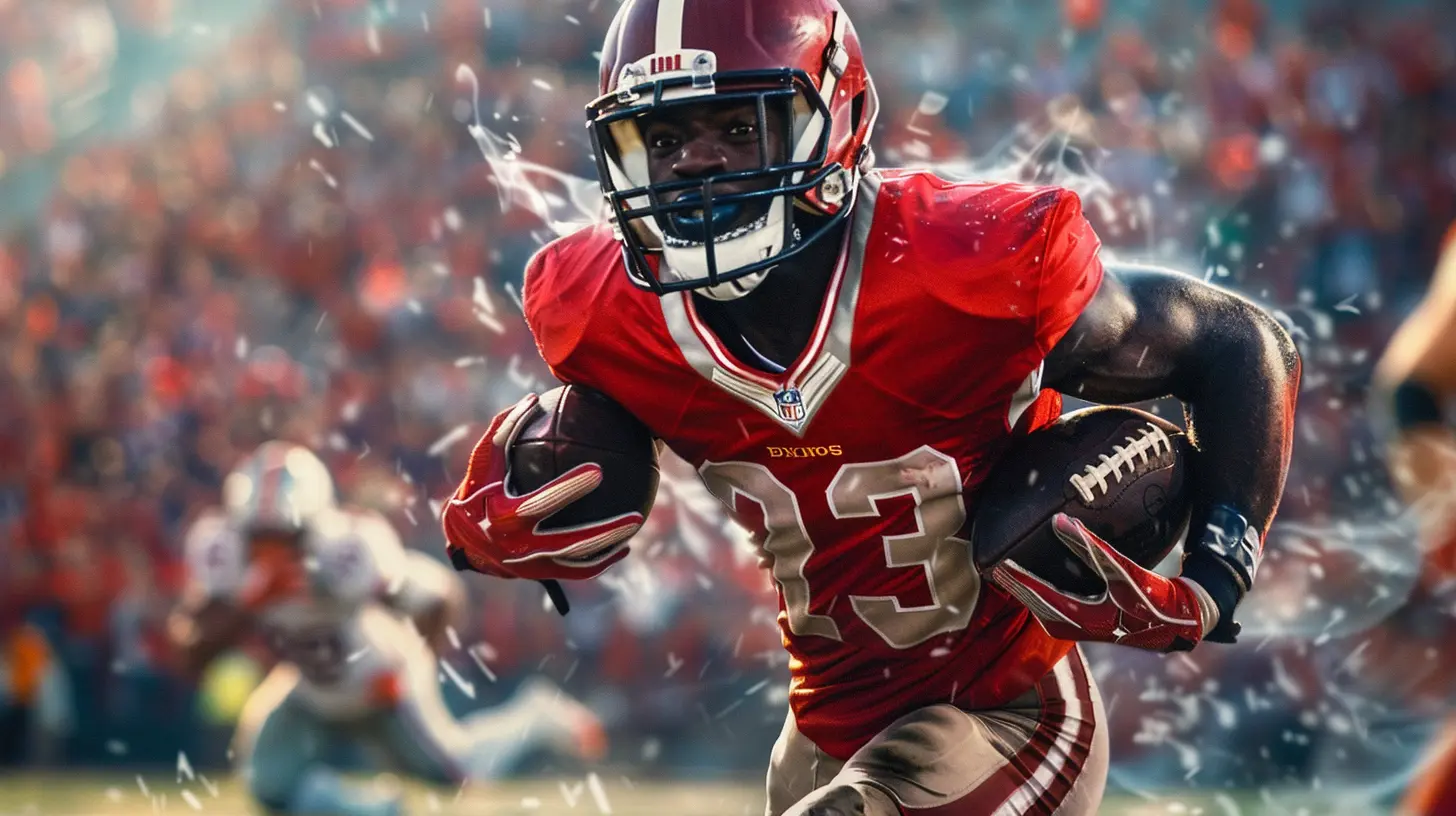
all images in this post were generated using AI tools
Category:
Player TradesAuthor:

Easton Simmons
Discussion
rate this article
1 comments
Cody Mitchell
Great insights on the complexities behind big trades! It's fascinating to see how team dynamics and long-term strategies play a role. Looking forward to more discussions on this topic... Keep it up!
July 10, 2026 at 7:37 PM
Easton Simmons
Thank you! I'm glad you found the insights valuable. Team dynamics really do shape decisions in big trades. I look forward to more conversations on this!