Why Some Players Thrive After Being Traded
6 August 2026
Trades are a huge part of professional sports. Whether it's in the NBA, NFL, MLB, or any other league, we see players getting traded all the time. Sometimes these trades make headlines and spark heated debates, while other times they fly under the radar. But one thing is for sure: how players respond to being traded can be wildly different.
Some players crumble under the pressure of a new environment, while others seem to thrive and unlock their full potential. But why is that? What makes some athletes excel after a trade, while others struggle to find their footing? It's not just about talent—there's a cocktail of factors at play, and we're going to dive deep into them today.
The Psychological Impact of a Fresh Start
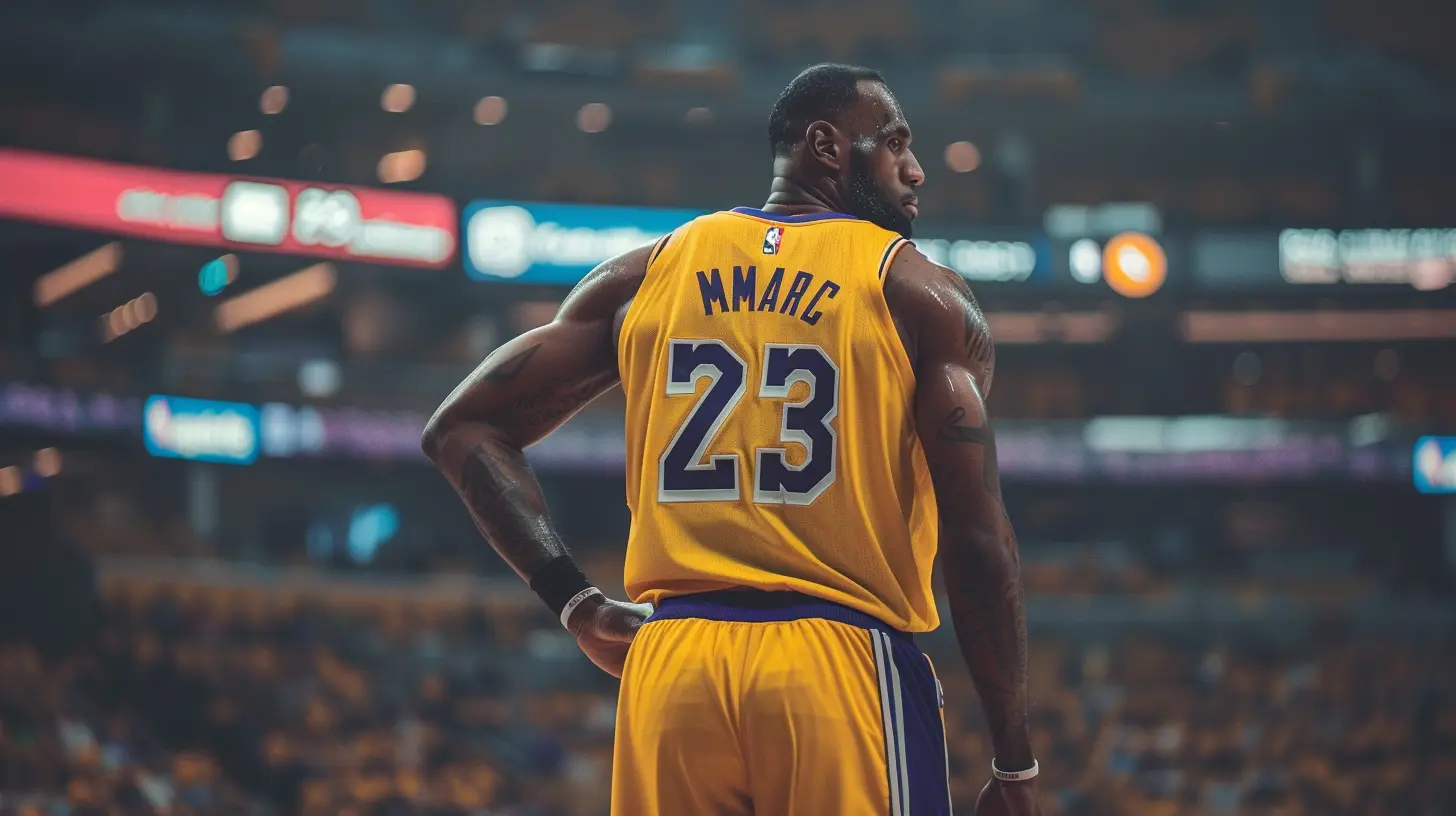
A Change in Scenery Can Do Wonders
Ever felt like you're stuck in a rut? Maybe it's at your job, or maybe it's in your personal life. Well, athletes feel the same way. Sometimes, all a player needs is a change in scenery to reignite their passion for the game. Being in the same team, with the same teammates, and under the same system for years can start to feel monotonous.Getting traded can feel like a fresh start, a reset button if you will. It's an opportunity to leave behind any baggage or frustrations they had with their former team. It’s like moving to a new city—everything feels different, and that change can be invigorating.
Some players, especially those who are mentally resilient, see trades as an opportunity rather than a setback. They adopt a "new city, new me" attitude and use their fresh surroundings to reimagine themselves both on and off the court or field.
The Chip on Their Shoulder
Let’s face it—being traded can sting. Whether it’s a voluntary move or not, getting traded often sends a clear message: "We don’t think you’re essential to our future." For competitive athletes, that can be a major blow to the ego. But for some, that sting turns into fuel.Players who thrive after a trade often have something to prove. They want to show their old team that they made a mistake. They want to prove that they still have what it takes to compete at the highest level. They play with a chip on their shoulder, and that extra motivation can push them to perform better than they ever have before.
It's like being passed over for a promotion at work—suddenly, you're laser-focused on proving your worth. For athletes, this extra edge can make all the difference in their performance.
A Better System or Role Fit
Finding the Right Coaching System
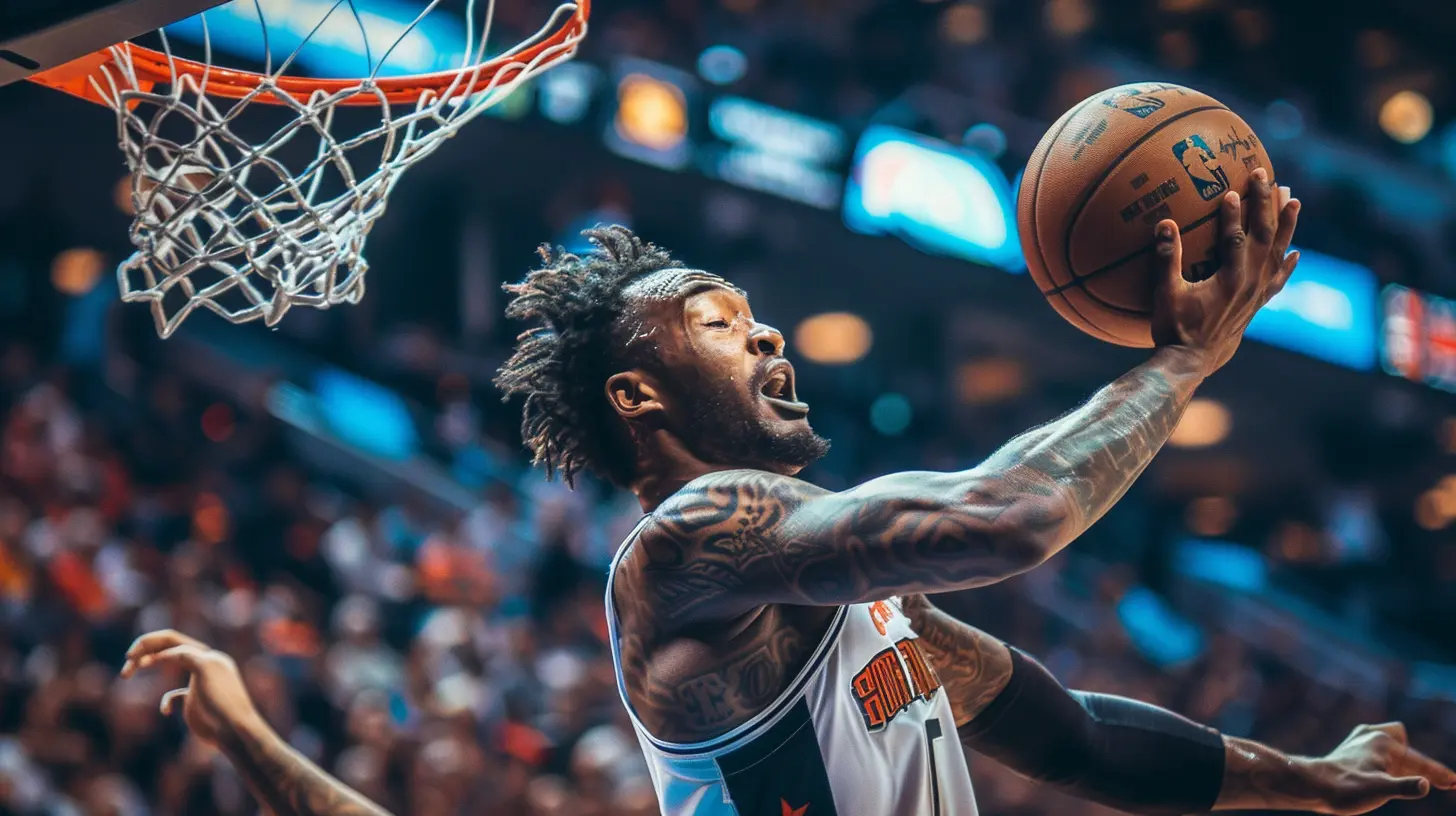
Athletes aren’t robots. They have strengths, weaknesses, and preferences in how they play. Sometimes, a player just doesn’t fit well within the system of their current team. Maybe the coach doesn’t use them in the right way, or the team’s playing style doesn’t complement their skill set.Take, for example, a pass-first point guard who gets traded from a team that prioritizes isolation scoring to a team that thrives on ball movement. Suddenly, that player’s strengths are amplified. They’re in a system that fits their style, and they can showcase their skills in ways they couldn’t before.
A new team can mean a new system, and that system can be a much better fit for a player’s specific talents. In those cases, players can thrive because they’re finally being used in a way that maximizes their potential.
More Playing Time Equals More Opportunities
Sometimes a player doesn’t get a lot of playing time on their old team. Maybe they’re stuck behind a superstar or two on the depth chart, or maybe the coach just doesn’t see them as a key player. But when they get traded to a new team, everything changes. Their role expands, they get more minutes, and they have more opportunities to make an impact.This is especially true for younger players who are still developing. A trade can provide them with a chance to step into a larger role and grow as a player. With more playing time comes more confidence, and with more confidence comes better performance.
It’s like being at a job where your boss doesn’t see your potential. You’re stuck doing menial tasks, but then you switch companies, and suddenly you're given more responsibility. That change can be the spark that leads to personal and professional growth.
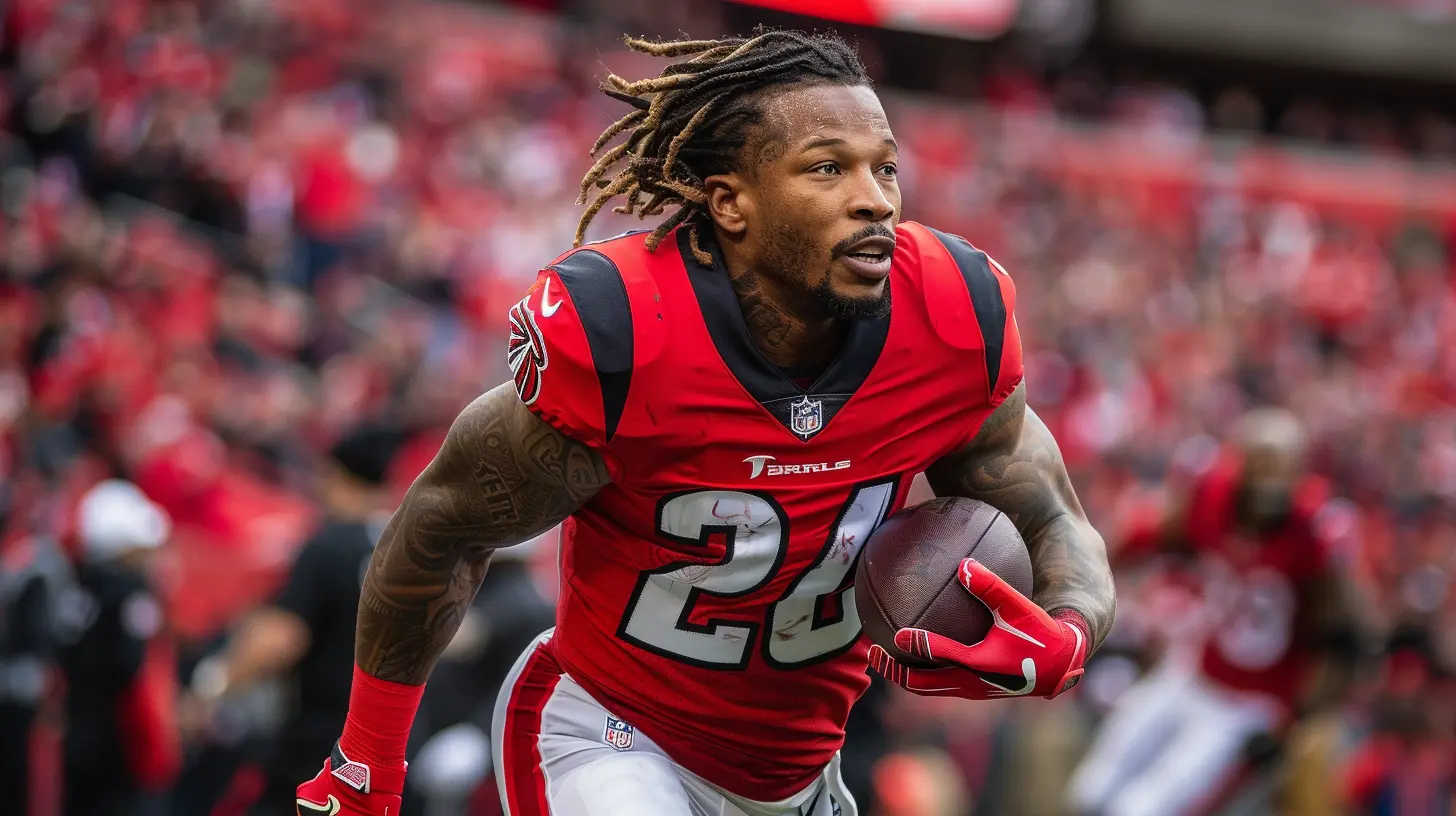
The Power of Chemistry and Culture
A Better Locker Room Fit
Team chemistry is a huge part of success in sports. It’s not just about talent; it’s about how players gel together both on and off the court or field. Sometimes, a player just doesn’t click with their teammates in their old team. Maybe there are personality clashes, or maybe they feel like an outsider in the locker room.When a player gets traded to a new team, they might find themselves in a much better locker room situation. The new team’s culture might be more welcoming, and the players might have personalities that mesh better with their own. This can lead to better chemistry on the court or field, which often translates into better performance.
Imagine working in a toxic office environment where you feel isolated. It’s hard to do your best work when you’re constantly walking on eggshells. But in a positive, supportive atmosphere? You’re likely to thrive.
Leadership and Mentorship
A trade can also put a player in a situation where they have access to better leadership and mentorship. Maybe the new team has a veteran player who takes them under their wing, or maybe the coaching staff is more supportive and communicative.This kind of guidance can be invaluable, especially for younger players who are still finding their way in the league. A strong mentor can help them adjust to their new environment, provide advice on how to handle the pressures of being a professional athlete, and help them develop their game.
In some cases, players thrive after a trade simply because they have better leadership around them, both on and off the field.
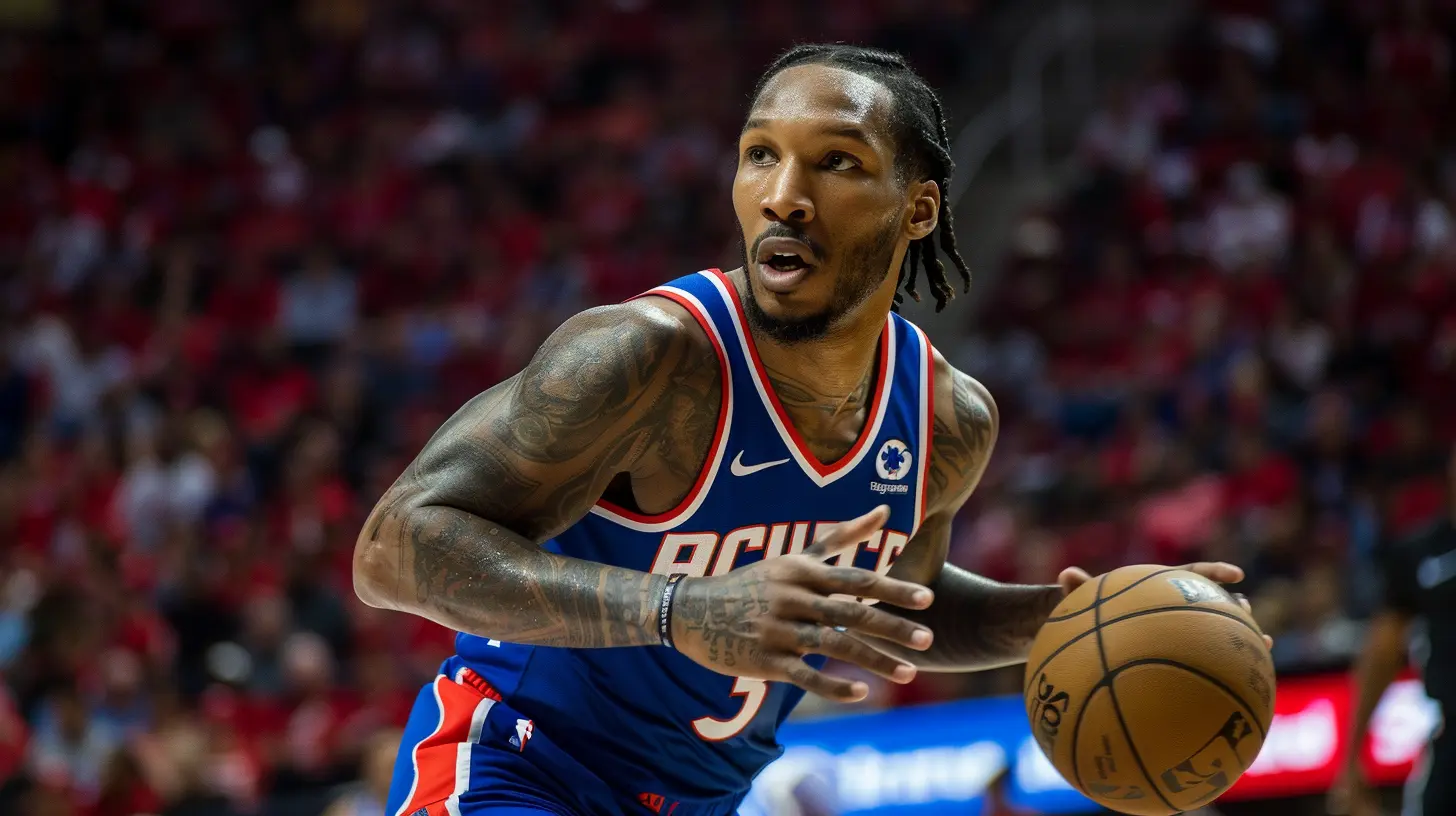
Financial and Contractual Incentives
Playing for That Next Big Contract
Let’s not ignore one of the biggest motivators in sports: money. Being traded can sometimes light a fire under a player because their future earnings are on the line. They know that how they perform after the trade could impact their next contract, whether it's a renewal with their current team or a fresh deal with another team in the future.A player who is traded in the final year of their contract, for example, might play with an extra sense of urgency. They know that their performance could determine whether they get a lucrative long-term deal or a less desirable contract.
It’s like working on commission—knowing that your paycheck depends on your results can push you to work harder and stay more focused.
Front-Office Confidence Can Be a Game-Changer
Finally, let’s talk about the importance of feeling valued. A player’s old team might have traded them because they didn’t see them as a key piece of the puzzle. But their new team? The new team might have gone out of their way to acquire them because they believe in their talent and potential.That vote of confidence can work wonders for a player’s mindset. Knowing that the front office has faith in them can give them the boost they need to perform at a higher level. It’s human psychology—when someone believes in you, you’re more likely to believe in yourself.
Conclusion: The Perfect Storm
At the end of the day, there’s no single reason why some players thrive after being traded. It’s usually a combination of factors—a change in scenery, a better role, more opportunities, improved team chemistry, financial incentives, and a renewed sense of motivation.For some players, a trade is exactly what they need to unlock their full potential. It’s a perfect storm of circumstances that allows them to thrive in ways they never could before.
But for others, the grass isn’t always greener on the other side. The key difference often lies in how the player responds mentally and emotionally to the trade. Those who see it as an opportunity rather than a setback are the ones who tend to thrive.
So, the next time you see a player excel after being traded, remember: it’s not just about talent. It’s about the right mix of circumstances, mindset, and environment. And when all those factors come together, the results can be truly transformative.
all images in this post were generated using AI tools
Category:
Player TradesAuthor:

Easton Simmons
Discussion
rate this article
1 comments
Jace Roberts
It's interesting how a change of scenery can unleash a player's potential. New teammates and a different system can really spark motivation. It shows how mental and emotional factors play a huge role in performance, not just skill alone.
August 6, 2026 at 3:36 AM
Easton Simmons
Absolutely, the right environment can make all the difference. It's fascinating how much mindset and support from teammates contribute to a player's success.