Why Fans Still Talk About the 2027 Copa América Semifinal
3 September 2026
Let's be honest. If you were to ask a random group of football fans to name the most memorable Copa América matches of the last decade, you would get a predictable list. The 2021 final in Rio, the 2019 semifinal between Brazil and Argentina, maybe a random group-stage thriller from 2015. But if you ask the real sickos, the ones who stay up until 4 AM to watch a random CONMEBOL qualifier between Bolivia and Venezuela, they will all say the same thing: the 2027 Copa América semifinal.
Why? Because it was a masterpiece of chaos, a tactical nightmare, and a glorious mess that somehow produced the most entertaining ninety-plus minutes of international football in years. It was not perfect. It was not pretty. It was, to borrow a phrase from the great philosophers of the internet, a "beautiful disaster." And we cannot stop talking about it.
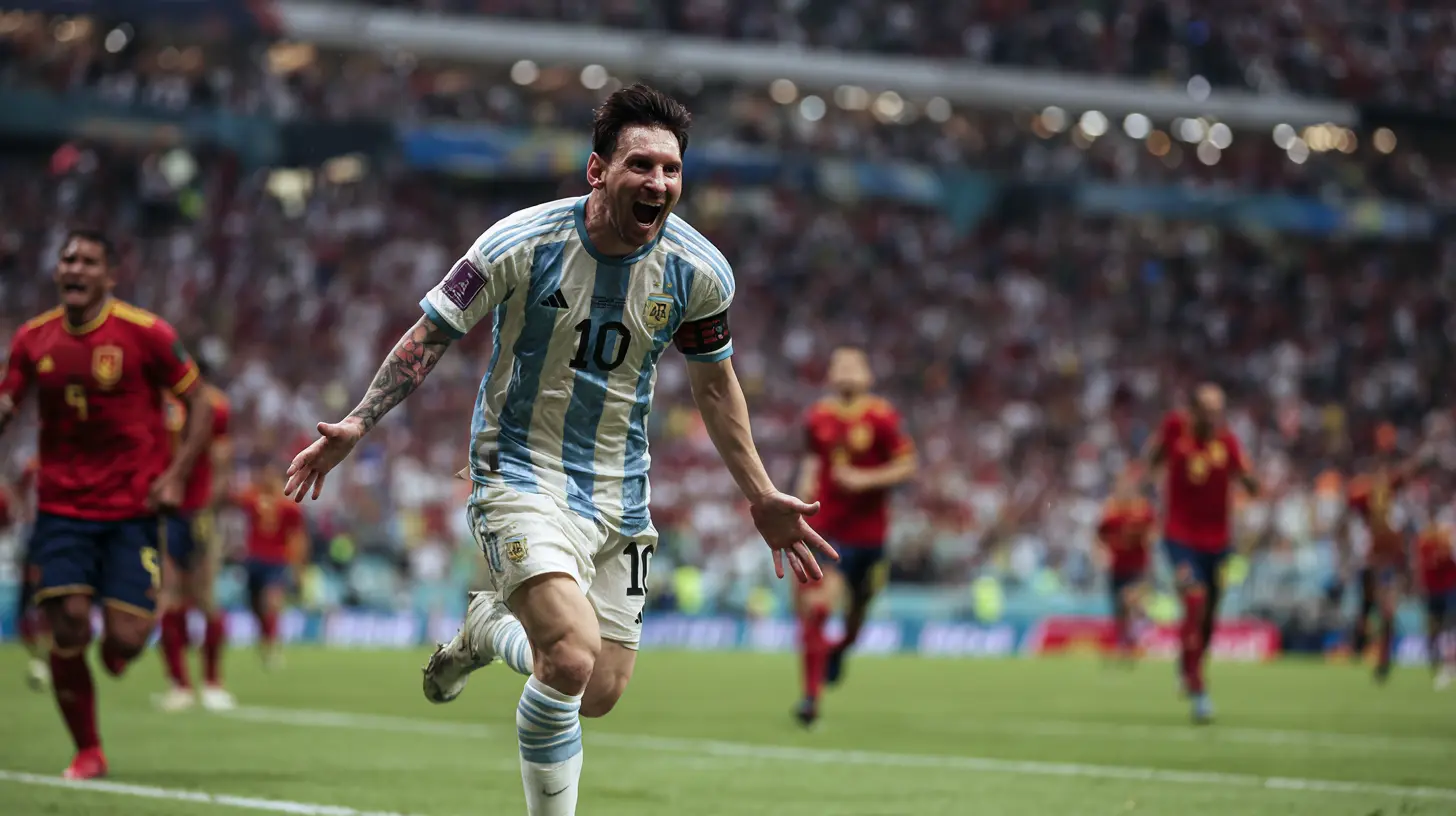
The Setup: A Tournament of Anomalies
To understand why this specific semifinal has achieved legendary status, you have to understand the context of the 2027 tournament itself. The Copa América, as always, was a logistical and scheduling nightmare. It was held in a South American country that, for the sake of this discussion, we will call "Country X" to protect the guilty. The tournament was played in the middle of a European club season, which meant every star player was either injured, exhausted, or mentally checked out.The group stage was a graveyard of expectations. The defending champions were eliminated in the first round by a team that had not won a match in two years. A traditionally dominant side from the Southern Cone barely scraped through on goal difference after losing to a Caribbean nation that had never even scored against them before. The quarterfinals were decided by penalty shootouts that looked less like skill contests and more like a group of guys who had never been asked to kick a ball under pressure.
By the time the semifinals rolled around, the tournament had two clear narratives. One was the "Destiny" narrative, following the host nation, Country X, who had somehow stumbled to the last four despite playing some of the most uninspired football in their history. The other was the "Rebirth" narrative, following a historically great team (let's call them Team A) that had undergone a complete generational overhaul and was playing with the reckless abandon of a youth team.
The semifinal pitted Team A against the third semifinalist, Team B, a squad known for their defensive rigidity and their ability to win ugly. On paper, this was a classic "unstoppable force meets immovable object" matchup. In reality, it was a game that made both of those concepts look like complete jokes.
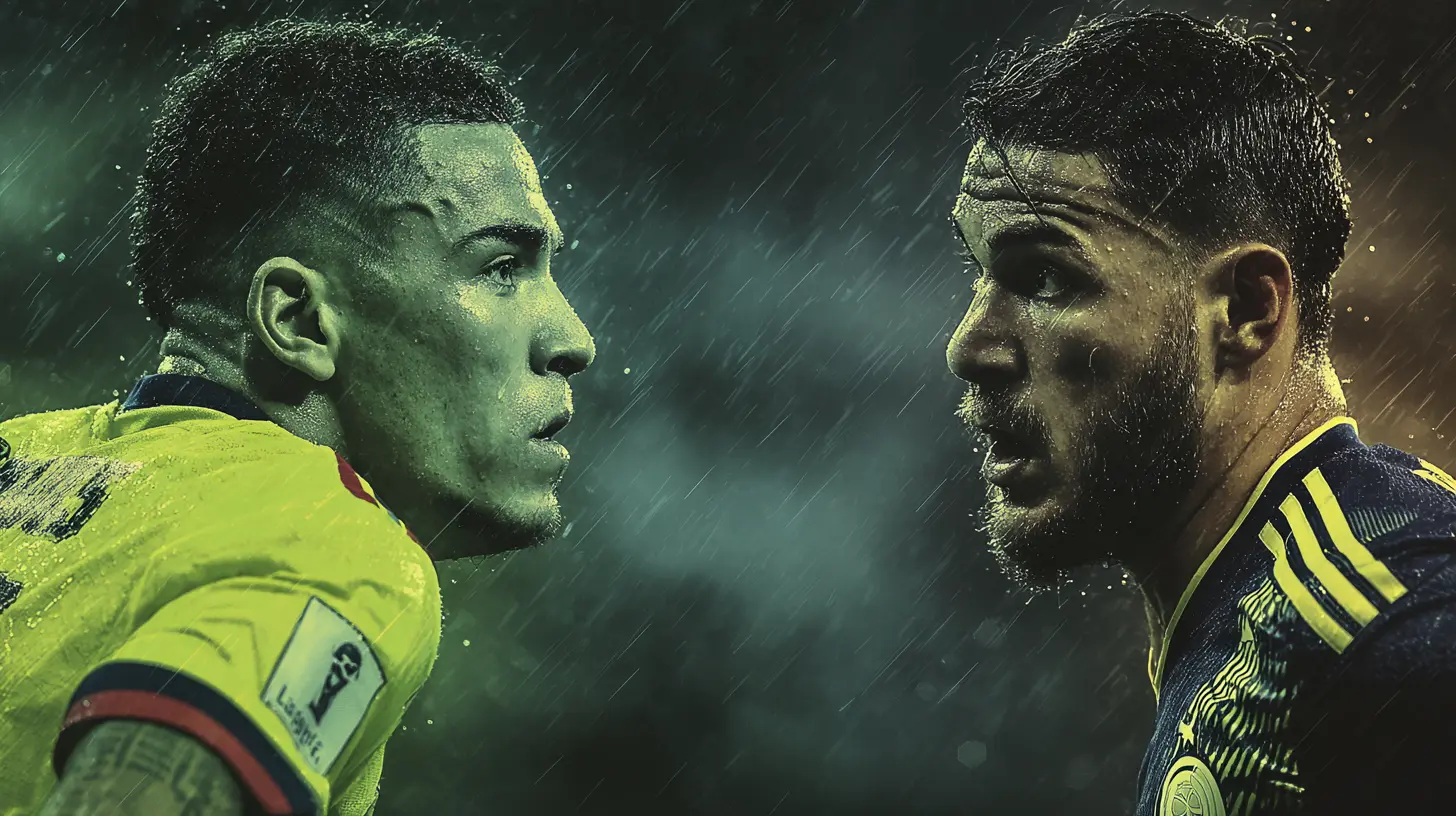
The First Half: A Masterclass in Defensive Abdication
The first forty-five minutes of this match should be studied in coaching clinics as a warning of what happens when you abandon your principles out of fear. Team B, the supposed defensive masterminds, came out in a shape that was neither a back four nor a back five, but something that looked like a confused back six with a midfielder playing as a temporary center-back. They were terrified of Team A's pace on the counter, and it showed.The problem was that Team A was not playing on the counter. They were playing with the ball, but they were doing so at a walking pace. Their midfielders refused to pass forward, preferring to cycle the ball between the full-backs and the goalkeeper. The crowd, a mix of neutral fans and Country X supporters who had bought tickets to scout their potential final opponent, began to whistle. It was the kind of slow, agonizing build-up that makes you question why you ever fell in love with the sport.
Then, against all logic, Team A scored. It was not a goal of beauty. It was a goal that came from a catastrophic error by Team B's goalkeeper, who decided to try and dribble past a striker who was pressing him with the intensity of a man who had just been told his flight was canceled. The goalkeeper lost the ball, the striker tapped it into an empty net, and the stadium erupted in a mix of disbelief and laughter.
You would think that this early goal would open the game up. You would be wrong. Team A, instead of pressing their advantage, decided to protect their lead with the same intensity that a tortoise protects its shell. They dropped deep, invited pressure, and essentially dared Team B to break them down. Team B, for their part, was completely incapable of doing so. Their attacking plan consisted of launching long balls towards a lone striker who was, generously, five-foot-eight and had the aerial presence of a small dog.
The rest of the half was a slog. There were fouls, there were dives, there was a twenty-second period where the referee had to separate two players who were arguing about a throw-in. The only moment of genuine quality came in stoppage time when Team A's winger hit a volley from the edge of the box that cannoned off the crossbar. It was a flash of brilliance in a desert of mediocrity. The half ended 1-0, and every neutral watching felt a profound sense of emptiness.
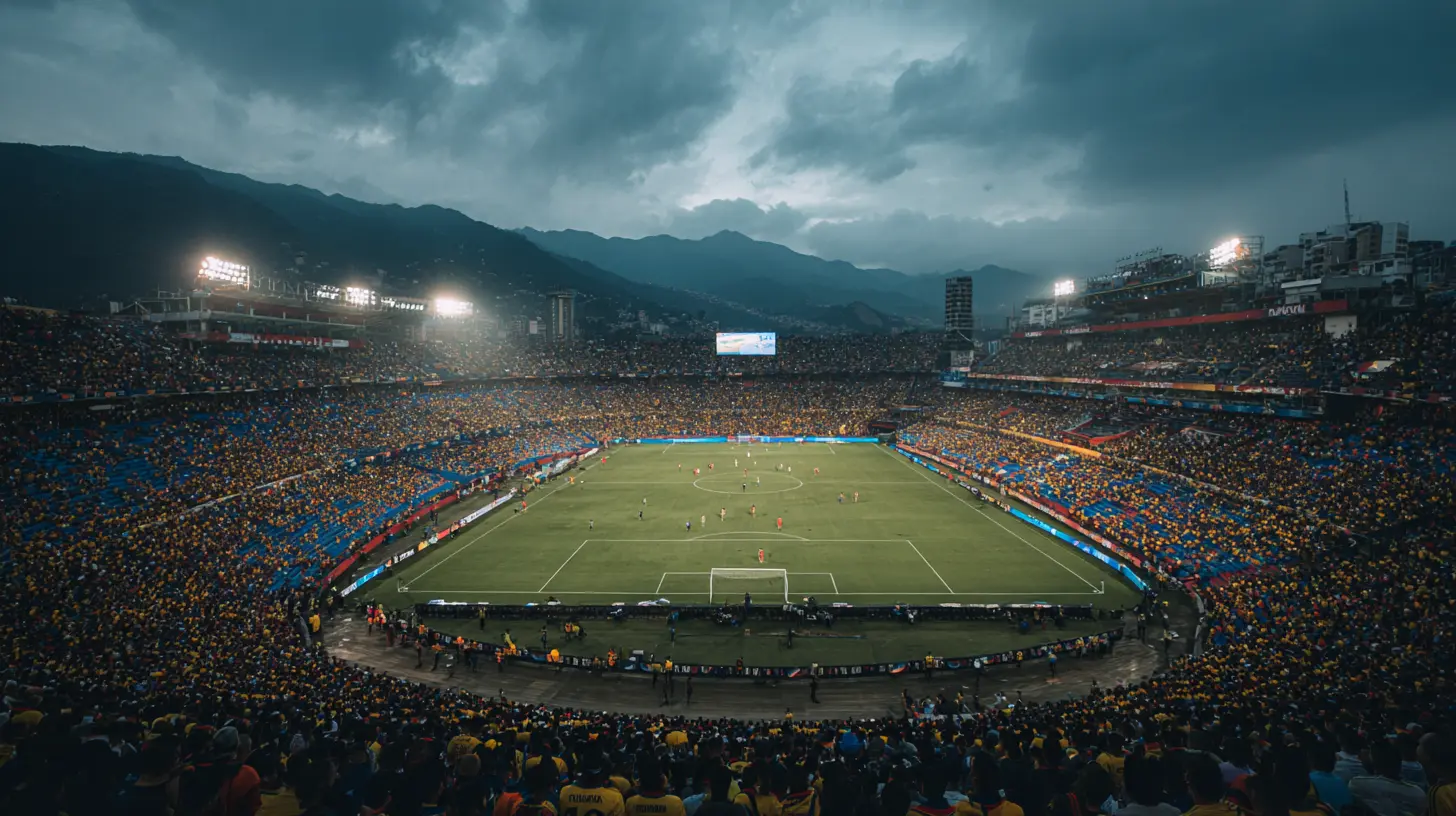
The Second Half: The Great Unraveling
Whatever the managers said in the dressing rooms at halftime, it did not work. The second half began with Team B finally deciding to play football. They pushed their full-backs higher, they started passing through the midfield, and they actually created a chance within the first five minutes. It was a sign of life, and it terrified Team A.Team A's response was to revert to their most primitive instincts. They started time-wasting from the 50th minute. The goalkeeper took an eternity on goal kicks. The full-backs would fall over and stay down for a few extra seconds. The referee, who had clearly lost control of the match, let it all slide.
Then came the moment that changed everything. In the 63rd minute, Team B's center-forward, a player who had not scored in the entire tournament, received the ball with his back to goal just outside the penalty area. He took a touch, spun, and unleashed a shot that was heading straight for the corner flag. But it took a wicked deflection off a defender's shin, looped over the goalkeeper, and dropped into the net. It was the luckiest goal of the tournament, and it leveled the score at 1-1.
This is where the game went from bad to gloriously insane. Team A, who had been content to sit on a 1-0 lead, suddenly realized they had to win the game in normal time to avoid a potential penalty shootout. They had no plan for this. Their midfielders started running around like headless chickens. Their full-backs started bombing forward and leaving gaping holes behind them. It was chaos.
For the next twenty minutes, it was basketball. End-to-end, wave after wave of attack. Team A hit the post twice. Team B missed an open goal from three yards out, a miss so bad that the striker immediately requested a substitution because he could not face his teammates. The goalkeeper for Team A made a save that was part reflex, part luck, and part divine intervention.
In the 88th minute, with the game seemingly destined for extra time, Team B won a corner. Everyone went up, including their goalkeeper. The corner was whipped in, the ball was headed clear, and Team A broke away on a three-on-one counter-attack. The forward had the entire goal at his mercy. He only had to pass it to his teammate who was unmarked, or simply side-foot it into the empty net. Instead, he tried to chip the onrushing defender, who was running back, and the ball sailed harmlessly over the bar.
The crowd gasped. The Team A players fell to their knees. The Team B players could not believe their luck. The referee blew the whistle for full-time, and the game went to extra time with the score locked at 1-1.

Extra Time: The Tactical Vacuum
Extra time in modern football is usually a cautious affair. Players are tired, managers are terrified of making a mistake, and the primary goal is to survive to penalties. This game did not get that memo.The first period of extra time was notable for a bizarre incident where Team A's substitute, who had been on the field for less than five minutes, received a red card for a tackle that was less "professional foul" and more "assault with a deadly weapon." It was a reckless, stupid challenge that left his team with ten men for the final fifteen minutes.
Now, you would think that playing with a man down would force Team A to park the bus and hold on for penalties. They tried. Oh, they tried. But their attempts at time-wasting were so blatant and so amateurish that the referee finally lost his patience and booked three different players for delaying the restart.
Team B, sensing blood, pushed forward with a numerical advantage. They had a golden chance in the 112th minute when a cross found a completely unmarked player at the back post. He had time to control the ball, take a touch, and pick his spot. Instead, he scuffed his shot directly at the goalkeeper, who was lying on the ground, having fallen over trying to anticipate the shot. It was a save that the goalkeeper did not know he had made.
The final minutes of extra time were a blur of desperation. Team A was defending with nine men behind the ball, and Team B was throwing crosses into the box like they were playing a game of darts. The referee added four minutes of stoppage time, which felt like an eternity.
In the final minute of stoppage time, Team B won one last corner. Their goalkeeper, who had been a hero in the shootout in the quarterfinals, came up again. The ball was floated to the far post. A defender for Team A, in a moment of pure panic, jumped to clear the ball but mistimed his header. The ball looped over his head and towards his own goal. It hit the crossbar, bounced down, and was cleared off the line by a teammate who was standing there for no apparent reason.
The whistle blew. It was 1-1 after extra time. Penalties. Again.
The Penalty Shootout: A Study in Psychological Failure
Penalty shootouts are a lottery, but this one was a carnival game rigged against everyone. The first five penalties were all scored, but they were all terrible penalties. The goalkeepers dove the right way on every single one but could not reach them because the placements were so poor. It was like watching a group of players who had been told to aim for the corners but had never actually practiced aiming.Then came the collapse. Team B's sixth taker stepped up, looked the goalkeeper in the eye, and then hit a penalty that was so weak, so central, that the goalkeeper saved it with his legs without having to move. The momentum shifted. Team A's seventh taker scored with a stutter-step run-up that somehow worked, despite looking like he was having a seizure.
Team B's eighth taker hit the post. Team A's ninth taker hit the bar. It was a complete farce.
After ten penalties each, the score was level at 8-8. The sudden-death phase began. Players who had been on the bench for the entire match were now being asked to take the most important kicks of their lives. The tension was unbearable.
The twelfth penalty for Team B was taken by their reserve goalkeeper, who had been sent on specifically for the shootout. He smashed it into the top corner. The twelfth penalty for Team A was taken by their captain, a veteran defender who had never scored a professional goal in his life. He tried to be clever, he tried to place it, and he rolled it straight into the goalkeeper's arms.
It was over. Team B won the shootout 9-8. They celebrated like they had won the World Cup, because in a sense, they had survived a war. Team A collapsed in a heap. The cameras showed their manager staring blankly into the distance, his mouth agape, as if he had just witnessed a ghost.
Why It Endures: The Beauty of Imperfection
So, why do we still talk about this game? It is not because it was a tactical masterpiece. It was not because it featured the best players in the world playing at their peak. It is because it was the most human display of football we have ever seen.We talk about it because it was a reminder that football is not a science. It is a chaotic, unpredictable, and often absurd sport. The 2027 semifinal was a perfect storm of errors, bad decisions, and sheer dumb luck. It had everything: a comical opening goal, a deflected equalizer, a red card for a stupid tackle, a missed open goal, a goalkeeper saving a shot while lying on the ground, and a penalty shootout that went to the twelfth round.
It also exposed a few uncomfortable truths about the modern game. The first is that defensive football is only effective when the defense is actually good. Team B, for all their supposed rigidity, were a mess when they had to defend against a team that refused to attack. The second truth is that time-wasting is a strategy that can backfire spectacularly. Team A spent the entire second half trying to kill the game, and it cost them their composure when they actually needed to play.
The match also highlighted the importance of mental resilience. Team B did not play well, but they never gave up. They kept plugging away, they kept making mistakes, but they kept trying. Team A, on the other hand, crumbled under the weight of their own fear. They were so scared of losing that they forgot how to win.
The Legacy and the Lessons
The legacy of this semifinal is not that it was a great game of football. It was not. The legacy is that it was a great event. It was a shared experience that brought fans together in a collective state of disbelief. We talk about it because we cannot believe it actually happened. We talk about it because it is a story that gets better with every retelling.For young players, the lesson is simple: do not be afraid to make a mistake. The players in this match made mistakes that would have haunted them for years. The forward who missed the open goal in the 88th minute will never live that down. But he is also part of the folklore now. He is a character in a story that will be told for generations.
For coaches, the lesson is more nuanced. Having a plan is important, but being able to adapt when the plan falls apart is essential. Both managers in this game had a plan. Neither plan survived contact with the enemy. The team that won was the team that was better at improvising, at reacting to the chaos, and at keeping their heads when everyone around them was losing theirs.
The 2027 Copa América semifinal was not a showcase of the beautiful game. It was a showcase of the ugly game, the messy game, the game that we all secretly love because it reminds us that anything can happen. It is the reason we watch. It is the reason we care. And it is the reason we will still be talking about it in 2047, even if we cannot remember who actually won the final.
all images in this post were generated using AI tools
Category:
Historic MatchesAuthor:

Easton Simmons
Discussion
rate this article
2 comments
Quillan Cummings
What a thrilling match that was! The intensity and unforgettable moments from the 2027 Copa America semifinal will be talked about for years. It's amazing how sports can create such lasting memories among fans.
September 6, 2026 at 3:11 AM
Laila Ramos
The 2027 Copa América semifinal left a lasting impression with unforgettable moments, fierce competition, and the drama that unfolded, making it a topic worth revisiting.
September 4, 2026 at 2:30 AM
Easton Simmons
Absolutely, that semifinal was a rollercoaster of emotions. The intensity and unforgettable plays truly keep the conversation going among fans.