Which Role Players Are Set to Shine After a Strong 2026 Preseason
30 September 2026
Every preseason produces a handful of box scores that make fans and fantasy managers overreact. A backup guard scores 22 points in a game that nobody will remember by November. A third-string edge rusher collects two sacks against an offensive line that will not survive final cuts. The challenge is separating genuine opportunity from temporary noise.
The 2026 preseason carries a specific wrinkle. Roster construction has shifted in recent years. Teams are carrying fewer proven veterans at the back of the depth chart. The salary cap continues to climb, but so do the costs of retaining middle-tier players. Front offices increasingly bet on cheap, young depth and developmental prospects. That math creates real pathways for role players who might have been buried a decade ago.
This article examines which types of role players are positioned to matter, why their preseason performances should be trusted or discounted, and how to evaluate them without falling into common traps. The focus is on process over highlights, because the players who shine in September and October are rarely the ones who dominated a meaningless August game.
What "Role Player" Actually Means in 2026
The term gets used loosely. It helps to define it precisely before analyzing anything.A role player is someone who does not project as a full-time starter but is expected to log meaningful snaps, touches, or innings in a specific capacity. That could be a slot receiver who plays 45 percent of offensive snaps. It could be a rotational defensive lineman who specializes in passing downs. It could be a backup point guard who runs the second unit. It could be a platoon bat who only faces right-handed pitching.
Role players matter because modern sports are matchup-driven. Coaches do not deploy five or nine or eleven players in fixed roles for 48 or 60 minutes. They shuttle specialists in and out based on down, distance, score, and opponent. The best teams treat the back half of the roster as a toolbox, not a bench.
This creates a distinct evaluation problem. A role player's preseason stat line often reflects opportunity that will not exist in the regular season. A receiver might see twelve targets in August because the starters played one series. A linebacker might rack up tackles because he stayed in the game while better players rested. Raw production tells you almost nothing.
What matters is role clarity. Does the coaching staff have a defined job for this player? Is that job stable? Does the player's skill set match the job? Those three questions separate real breakouts from preseason mirages.
Why the 2026 Preseason Is Different
Several structural forces are shaping rosters this year, and each one creates opportunity for specific player types.Expanded practice squad rules and their ripple effects
Practice squad rules have loosened considerably over the past several seasons. Teams can now protect certain players from poaching and carry more developmental bodies. This changes the calculus for the back of the roster. A team that once kept a steady veteran as its fourth cornerback might instead keep a younger player with higher upside and accept the volatility.The practical result: more role players are being asked to contribute before they are fully ready. That is risky for teams but valuable for evaluators. If a coaching staff trusts a second-year player in a niche role, that trust is a signal. It means the player has earned something in practice that the public cannot see.
Positional value shifting toward versatility
Roster spots are scarcer than they used to be in some configurations, and coaching staffs respond by prioritizing players who can do multiple things. A safety who can also cover the slot. A forward who can guard three positions. A utility infielder who can play shortstop in a pinch.Versatility is a double-edged sword for role players. It gets you on the field, but it can also prevent you from mastering one job. The players who thrive are usually the ones who pair a primary skill with just enough secondary competence to stay active on game day.
The rise of situational specialists
Analytics have made coaches more comfortable with extreme specialization. Third-down backs who rarely run between the tackles. Left-handed relievers who face one batter. Cornerbacks who only play in the slot. These roles are narrow by design, and they reward players who accept the narrowness instead of fighting it.
Offensive Skill Positions: Where Opportunity Hides
The third receiver in eleven personnel
Most NFL offenses spend the majority of their snaps in three-receiver sets. That makes the third receiver a de facto starter even if he is listed as a backup. The preseason is where that player's role gets tested.What to watch: target share relative to other backups, alignment variety, and whether the quarterback looks his way on third down. A third receiver who only runs clear-out routes in August is probably not going to be a factor. One who gets targeted on crossing routes and option routes is being groomed for real work.
Common mistake: assuming a receiver's preseason yardage total predicts regular-season production. It does not. A player can gain 90 yards on two busted coverages and still be the fifth option in the pecking order. Route participation and target quality matter far more than the box score.
Pass-catching running backs
The pass-catching back is one of the most stable role-player archetypes in football. He rarely leads the team in carries, but he can play 40 percent of snaps because he stays on the field in obvious passing situations.Why this role is expanding: offenses increasingly use running backs as receivers out of the backfield and in the slot. A back who can pass protect competently and run routes like a receiver is worth a roster spot even if he never rushes for 500 yards.
What to watch in preseason: pass protection reps. This is the hardest thing to evaluate from a broadcast view, but it is the single biggest determinant of whether a young back earns trust. A back who whiffs on a blitz in August will not see the field in December, no matter how many catches he made.
Backup quarterbacks with a defined package
The backup quarterback role has changed. Fewer teams carry a pure clipboard holder. More teams want a backup who can run a specific package, whether that is read-option, play-action heavy, or a quick-rhythm passing game.This is where preseason performance can be genuinely informative. If a backup quarterback runs the first-team offense for a series and looks comfortable, that suggests the coaching staff has invested in him. If he only plays with third-stringers in the fourth quarter, his role is likely emergency-only.
Trade-off to consider: a mobile backup who runs a distinct package can be valuable, but he can also create locker room tension if fans call for him after every starter interception. Teams weigh this. Some prefer a steady veteran who will not threaten the starter's standing.
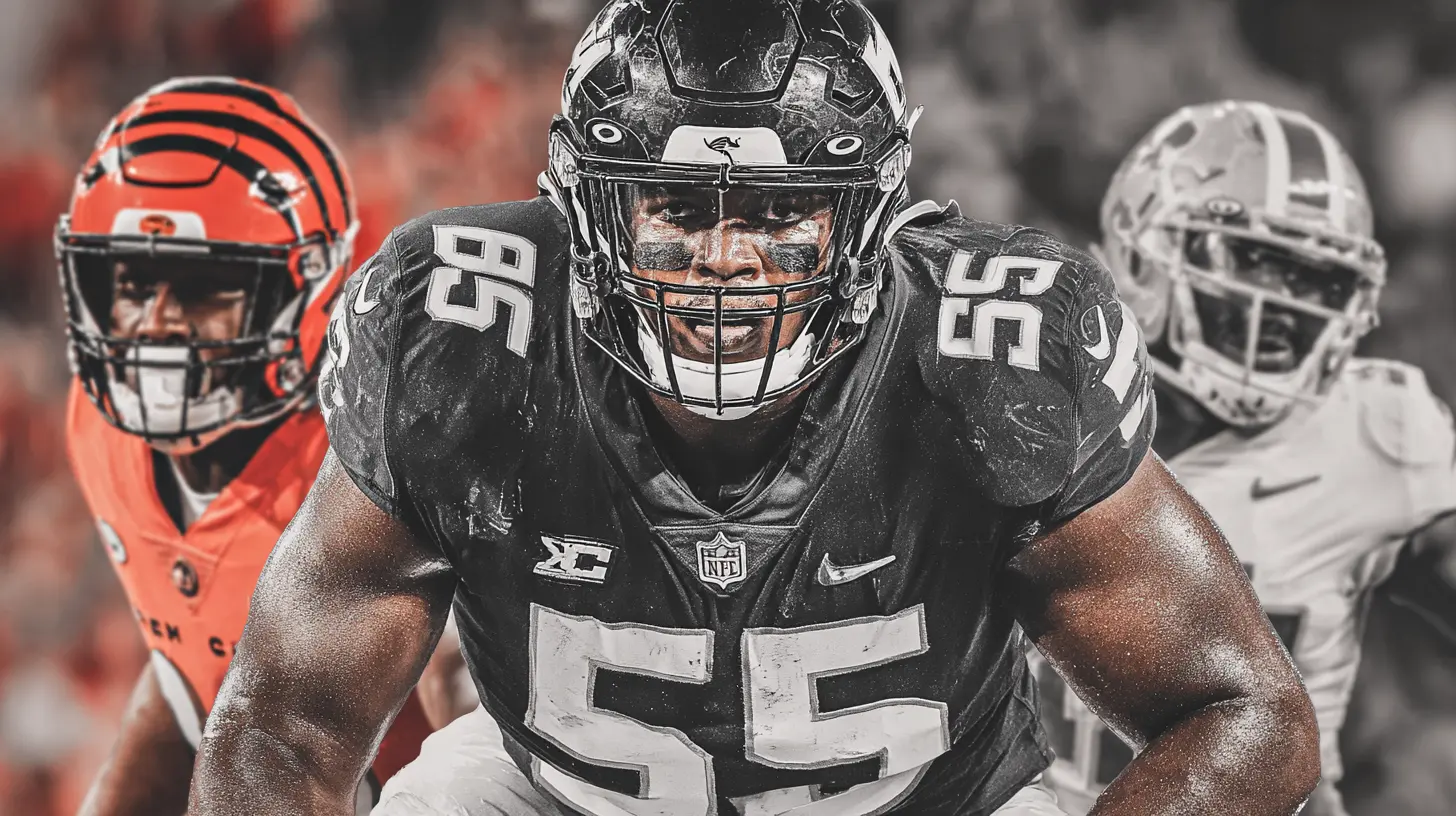
Defensive Front Seven: Rotational Value
Interior defensive linemen who play passing downs
Defensive tackle is a position where role players thrive because the physical demands are so high. Few interior linemen can play 70 percent of snaps at full effectiveness. Teams increasingly use a rotation, with one group for early downs and another for obvious passing situations.The pass-rush specialist who plays 25 snaps per game can be more valuable than a starter who plays 50 snaps at mediocre efficiency. Preseason is where teams test whether a young lineman can win one-on-one matchups consistently.
What to watch: get-off and hand usage. A lineman who wins with a quick first step in August will likely win in the regular season, because that trait translates. A lineman who records a sack because the quarterback held the ball too long is a much weaker signal.
Off-ball linebackers in sub packages
The modern linebacker is often a two-down player. Teams pull him in favor of an extra defensive back on third down. That makes the third linebacker spot a role, not a starting job in the traditional sense.The players who shine here are usually the ones who can run sideline to sideline and cover tight ends. Preseason is a chance to see whether a young linebacker can stay with a running back in the flat or carry a tight end up the seam.
Misconception to avoid: tackle totals. A linebacker who makes ten tackles in a preseason game may simply have been on the field for 40 snaps against backups. Efficiency per snap is the better measure, though it requires more careful tracking than most fans do.
The Secondary: Matchup-Driven Roles
Slot cornerbacks
The slot cornerback is no longer a niche position. In many defensive schemes, the slot defender plays 60 percent of snaps because offenses use three-receiver sets so frequently. That makes the slot corner a role player in name only.What separates good slot corners: short-area quickness, tackling in space, and the ability to read routes in traffic. Preseason is a useful test because offenses rarely game-plan, so the corner has to rely on instincts.
When to be skeptical: if a slot corner only plays against third-string receivers, his strong performance means less. If he covers a team's top slot receiver for a full quarter, that is a real signal.
Third safeties and hybrid defenders
The third safety role has grown as defenses look for ways to match up with tight ends and receiving backs. Some teams use a "big nickel" package with three safeties on the field. Others use a safety-linebacker hybrid who can play near the line or deep.This is one of the hardest roles to evaluate from outside the building. The player's value often comes from communication and alignment, not from splash plays. A preseason interception is nice, but it does not tell you whether the player correctly diagnosed a route combination.
How to Evaluate Preseason Performance Without Fooling Yourself
The single biggest error in preseason analysis is treating all snaps as equal. They are not.The opponent quality problem
A player who dominates in the second half of a preseason game is often doing so against players who will be cut within a week. That does not mean the performance is meaningless, but it does mean the competition level is low.A useful rule: weight first-half snaps heavily, second-quarter snaps moderately, and second-half snaps lightly. The deeper into the game, the less the performance predicts regular-season role.
The scheme problem
Preseason schemes are deliberately vanilla. Offenses run basic concepts. Defenses play simple coverages. This makes it harder for role players who win with nuance and easier for players who win with raw athleticism.If a receiver creates separation only on a simple go route, that tells you less than if he creates separation on a slant against tight coverage. If a pass rusher wins only when the tackle sets too deep, that tells you less than if he wins with a consistent move.
The coaching intent problem
Coaches use preseason to evaluate specific things. They might give a player a heavy workload to see how he handles fatigue. They might limit another player to protect him. They might test a third player in an unfamiliar role to see if he can adapt.Without knowing the intent, it is easy to misread the results. A player with a light workload might be a trusted veteran being preserved. A player with a heavy workload might be fighting for a job.
Practical Framework: Questions to Ask About Any Role Player
Before deciding whether a preseason standout will matter, run through these questions.Does the team have a defined role for him? If the answer is unclear, the preseason production probably will not carry over. Coaches find snaps for players they trust. They do not invent roles in September.
Does his skill set match the role? A slot receiver needs quickness and route-running. A pass-rush specialist needs bend and a counter move. A backup point guard needs decision-making and shooting. If the skills do not fit, the role will not stick.
Is the incumbent vulnerable? Role players often emerge because the player ahead of them is aging, injured, or expensive. A young player behind a stable starter may have to wait. A young player behind a starter on a one-year deal has a clearer path.
Does the coaching staff have a history of using this role? Some coaches love rotations. Others prefer to ride their starters. A pass-rush specialist on a team that rarely rotates its defensive line is less likely to matter, regardless of preseason sacks.
What does the contract situation suggest? Teams often give role players extensions before they hit free agency. A player entering a contract year with a defined role is a strong candidate for a breakout. A player buried on the depth chart with multiple years remaining is a weaker one.
Common Mistakes and Misconceptions
Mistake: Chasing preseason stats
The most common error. Preseason stats are noisy, opponent-dependent, and scheme-dependent. They are a starting point for investigation, not a conclusion.Mistake: Ignoring special teams
Many role players earn their roster spot through special teams. A receiver who is the fifth option on offense but plays on all four core special teams units has a secure job. A receiver who is the fourth option but plays no special teams is vulnerable. Special teams participation in preseason is a strong signal of coaching trust.Misconception: Role players are less important than starters
This was never true, and it is less true now. The gap between the tenth and twentieth best player on a roster is often smaller than the gap between the twentieth and thirtieth. Role players determine games in the fourth quarter when starters are tired and matchups tighten.Misconception: A strong preseason guarantees regular-season snaps
It does not. Coaches make decisions based on practice, film study, and trust built over months. A preseason game is one data point among many. The players who shine in August and disappear in October usually lacked either a defined role or the coaching staff's confidence.Best Practices for Tracking Role Players Over a Season
If you want to evaluate role players seriously, whether for fantasy, betting, or simply understanding the game, build a process.Track snap counts, not stats. Snaps tell you what the coaching staff thinks. Stats tell you what happened on a small number of plays. A player whose snap count rises from 20 percent to 45 percent over four weeks is earning trust. A player whose snap count stays flat is not, regardless of his highlight reel.
Watch the first quarter of preseason games closely. That is when starters and key role players play. The rest is often a tryout for the practice squad.
Note alignment and personnel packages. A defender who only plays in dime packages has a different role than one who plays in base. A receiver who only plays in four-receiver sets has a different role than one who plays in three-receiver sets. These distinctions matter.
Compare roles across teams. A third receiver on a pass-heavy team has more value than a third receiver on a run-heavy team. A backup point guard on a team with an injury-prone starter has more opportunity than one on a team with a durable starter.
Revisit your assumptions weekly. Roles change. Injuries happen. Coaches get fired. A player who looked like a preseason breakout in August might be a healthy scratch in October. The best evaluators update their views constantly.
What to Expect as the 2026 Season Unfolds
The role players who matter most will likely fall into a few categories.Situational pass rushers on teams with aging defensive lines. Slot receivers on teams with a clear quarterback and a pass-heavy scheme. Pass-catching backs on teams that use their running backs in the passing game. Slot corners on teams that face a lot of three-receiver sets. Backup guards on teams that value bench scoring and play a fast pace.
None of these are guarantees. Each depends on health, coaching decisions, and the unpredictable arc of a season. But the process of identifying them is more valuable than any single prediction. Learn to read roles, not highlights. Learn to weight snaps, not stats. Learn to ask what the coaching staff sees, not just what the broadcast shows.
That approach will serve you long after the 2026 preseason fades from memory.
all images in this post were generated using AI tools
Category:
Preseason AnalysisAuthor:

Easton Simmons