Which NBA Teams Are Leading the League in Defense Going Into 2026
27 April 2026
Let’s be real for a second: no one watches a basketball game to see a 95–90 slugfest where the shot clock winds down to a contested fadeaway that clanks off the rim. We all love the high-flying dunks, the step-back threes, and the no-look assists that make you yell at your TV like you’re coaching from the couch. But here’s the thing—defense wins championships. It’s the boring, sweaty, unglamorous side of the ball that separates pretenders from contenders. As we roll into 2026, the NBA landscape has shifted. Some teams have built walls that make the Great Wall of China look like a picket fence. So, which squads are locking it down and making life miserable for scorers? Grab your popcorn (and maybe a stress ball if you’re a fan of an offense-heavy team), because we’re diving into the defensive titans leading the league.
Why Defense Matters More Than Ever in 2026
You might be thinking, “Didn’t the NBA turn into a three-point contest years ago?” And yeah, you’re not wrong. The game has evolved into a math problem where teams hunt the most efficient shots—layups, dunks, and corner threes. But that’s exactly why defense has become a chess match. Offenses are so advanced now that if you can’t stop them, you’re toast. Think of it like a video game where the difficulty slider is cranked to “Nightmare.” Teams that can switch seamlessly, protect the rim, and close out on shooters without fouling are the ones hoisting trophies.In 2026, the league’s best defenses aren’t just about one guy blocking shots. They’re about systems—coordinated chaos where every player knows their role like a well-rehearsed Broadway show. The modern defense is a hybrid of old-school grit and new-age analytics. You need length, IQ, and a willingness to sacrifice your body. And let me tell you, the teams below have all three in spades.
The Boston Celtics: Still the Gold Standard?
Look, I know Boston fans are insufferable when they win, but credit where credit’s due. The Celtics have been a defensive juggernaut for years, and going into 2026, they’re still the team everyone measures themselves against. Why? Because they have the perfect blend of versatility and experience. Jayson Tatum and Jaylen Brown get all the headlines for scoring, but their defensive growth has been underrated. Tatum has turned into a legitimate two-way star who can guard positions 1 through 4, and Brown’s lateral quickness makes him a nightmare for ball handlers.But the real secret sauce? Their frontcourt. Kristaps Porziņģis, when healthy, is a 7-foot-2 eraser at the rim who can also step out and contest threes. And Al Horford, even at his age, is like that wise old uncle who still beats you at chess—he’s always in the right spot, directing traffic, and taking charges like it’s his job. The Celtics’ defensive rating has hovered near the top of the league because they force teams into tough shots. They don’t gamble for steals; they just make you work for every bucket. It’s not flashy, but it’s effective. Going into 2026, they’re still the team to beat, but they’ve got company.
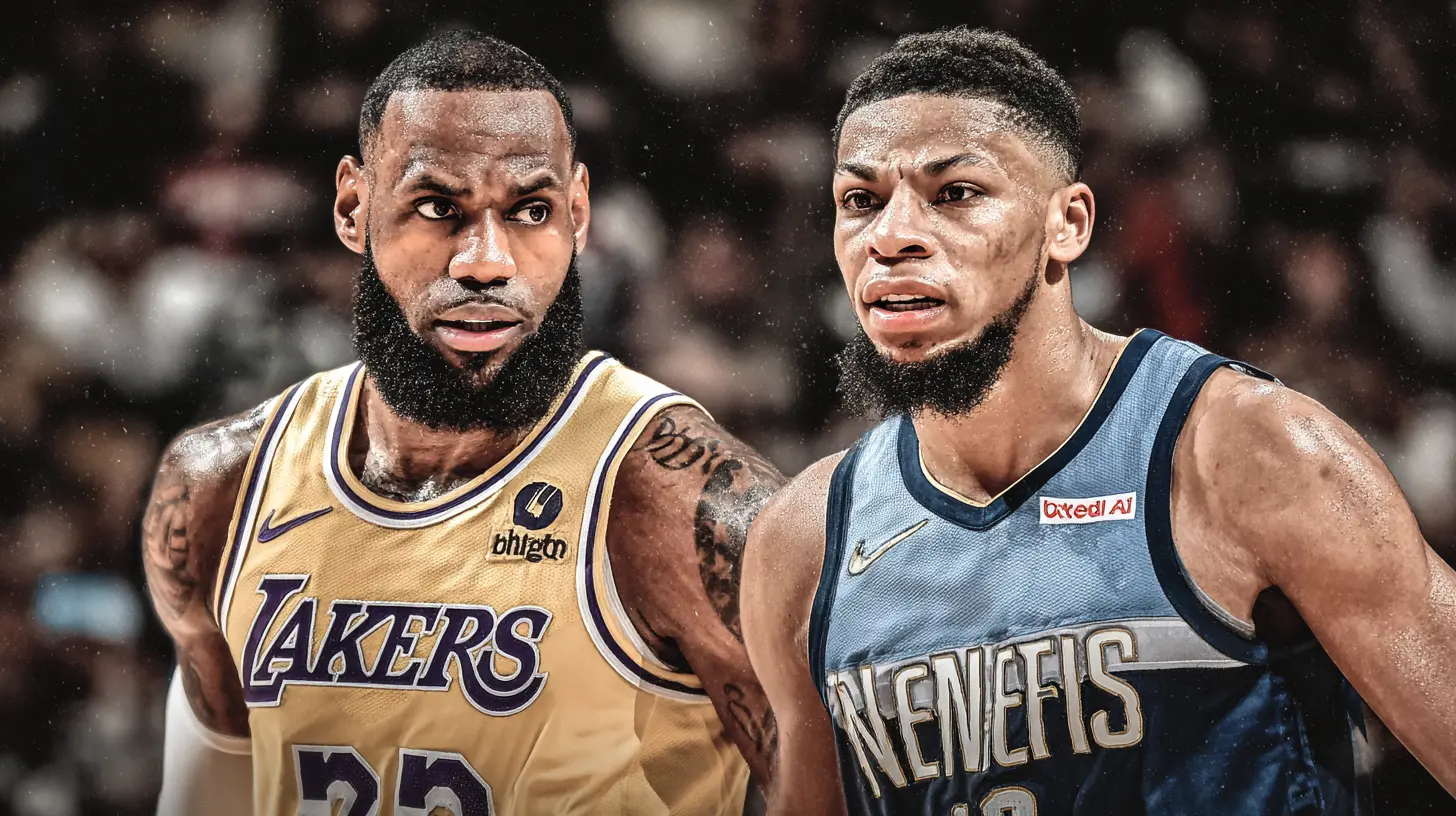
The Memphis Grizzlies: The Grindhouse 2.0
Remember the “Grit and Grind” Grizzlies with Tony Allen and Marc Gasol? That era felt like a wrestling match in a phone booth. Well, the 2026 Grizzlies have revived that spirit, but with more athleticism and a dash of chaos. Memphis is a defensive nightmare because they play with a chip on their shoulder. Ja Morant gets all the love for his highlight reels, but this team’s identity is built on defense. Jaren Jackson Jr. is a perennial Defensive Player of the Year candidate—he blocks shots like he’s swatting flies, and his ability to switch onto guards is freakish for a big man.Then you’ve got Marcus Smart, who’s basically a human irritant. He’ll pick you up full-court, dive for loose balls, and talk trash in your ear until you lose your composure. The Grizzlies’ scheme is aggressive: they trap, they rotate, and they force turnovers that lead to fast-break dunks. It’s like a swarm of bees—annoying, relentless, and you don’t want to be the one holding the ball. Their defensive rating in 2025-26 has been top-three, and they’re only getting better as their young core matures. If you’re an opposing guard, good luck sleeping the night before you play Memphis.
The Minnesota Timberwolves: The Twin Towers Are Real
I know, I know—the Timberwolves have been the butt of jokes for decades. But hear me out: this team has a defensive ceiling that rivals anyone. It starts with Rudy Gobert, the human backboard who’s won multiple Defensive Player of the Year awards. Even if you hate his contract, you can’t deny his impact. He anchors the paint like a goalie in soccer, altering shots just by standing there. And paired with Anthony Edwards, who’s turned into a lockdown defender on the perimeter, the Wolves have a two-way punch that’s scary.But the real X-factor is Karl-Anthony Towns. He’s always been criticized for his defense, but in 2026, he’s bought into the system. He’s not Gobert-level, but he’s become a solid rim protector and a smart help defender. The Wolves’ scheme is simple: funnel everything to Gobert and let him clean up. It’s not rocket science, but it works. They’re currently top-five in defensive rating, and if they can stay healthy, they’re a legitimate threat to come out of the West. The only question is whether their offense can keep up—but defense is what’s keeping them in games.
The Milwaukee Bucks: The Giannis Effect
You can’t talk about defense without mentioning Giannis Antetokounmpo. He’s a one-man wrecking crew who can guard all five positions, block shots from behind, and start fast breaks with a single rebound. The Bucks have built their entire defensive identity around him. It’s like having a cheat code—you can afford to take risks because Giannis is back there erasing mistakes. Brook Lopez, even at 37, is still a master of verticality and rim protection. He doesn’t jump; he just stands tall and dares you to shoot over him.But the Bucks’ defense in 2026 isn’t just about Giannis and Brook. They’ve added younger, quicker wings who can chase shooters off the line. Their defensive rating has slipped a bit compared to their championship years, but they’re still a top-10 unit. The problem? They rely too much on Giannis’s heroics. When he rests, the defense falls apart like a cheap suit. Still, in crunch time, there’s no one better at shutting down a star player. If you’re the Celtics or the Grizzlies, you don’t want to face Milwaukee in a seven-game series—because Giannis will make you earn every point.
The Miami Heat: Culture and Chaos
The Miami Heat are the team that makes you roll your eyes until you realize they’re actually good. “Heat Culture” is a cliché, but it’s real. They’re a defensive team that plays harder than you, for longer, and with less talent. Jimmy Butler is the heart of it—he’s not the most athletic or the biggest, but he’ll outwork you. He takes charges, strips the ball from behind, and gets under your skin like a mosquito at a barbecue. Bam Adebayo is the anchor, a center who can guard point guards on switches and protect the rim like a pit bull.The Heat’s system is based on discipline. They rarely foul, they close out with high hands, and they force you into mid-range jumpers—the most inefficient shot in basketball. It’s not glamorous, but it’s effective. In 2026, they’ve added some young legs who buy into the system, and their defensive rating has climbed back into the top five. The only downside? They sometimes struggle against elite offenses with multiple scoring threats. But if you’re a team that relies on one star, the Heat will suffocate you. They’re the definition of “death by a thousand paper cuts.”
The Oklahoma City Thunder: The Young Guns
If you haven’t been paying attention to the Thunder, you’re missing out. They’re not just a fun young team—they’re a defensive monster in the making. Shai Gilgeous-Alexander has turned into a two-way star who gambles on passing lanes and gets steals like he’s playing pickup at the YMCA. But the real story is Chet Holmgren. The guy is a 7-foot-1 string bean who blocks shots like he’s swatting flies, and he can switch onto guards without looking silly. He’s like a modern-day Mutombo with a three-point shot.The Thunder’s defense is built on length and athleticism. They have a roster full of long-armed, quick-footed players who rotate like a well-oiled machine. They force turnovers, they run in transition, and they make you feel claustrophobic. Their defensive rating has been sneaky good—top eight in the league—and they’re only getting better as they gain experience. The biggest question is whether they can sustain it in the playoffs, where physicality ramps up. But for now, they’re a team that no one wants to face. They’re like the annoying little brother who won’t stop poking you—eventually, you lose your cool.
The Dark Horses: Who’s Lurking?
You can’t talk defense without mentioning a few wildcards. The Cleveland Cavaliers, for example, have a defensive core that’s underrated. Evan Mobley is a future Defensive Player of the Year, and Jarrett Allen is a brick wall at the rim. But they struggle against elite three-point shooting teams. The New Orleans Pelicans, when Zion Williamson actually plays defense, can be terrifying—but that’s a big “if.” And don’t sleep on the Denver Nuggets, who have Nikola Jokić’s underrated anticipation and Aaron Gordon’s lockdown ability. They’re not top-five, but they’re close.The reality is that defense in 2026 is more about system than individual stars. The teams that succeed are the ones who communicate, rotate, and trust each other. It’s like a dance—if one guy misses a step, the whole thing falls apart. And that’s why the Celtics, Grizzlies, and Timberwolves are leading the pack. They have the personnel and the scheme to make life miserable for offenses.
Final Thoughts: Which Defense Takes the Crown?
So, which NBA team is the defensive kingpin going into 2026? If you forced me to pick, I’d say the Boston Celtics. They have the experience, the versatility, and the playoff pedigree. But the Grizzlies are right on their heels, and the Timberwolves are a dark horse that could surprise everyone. The truth is, defense is a team effort, and the gap between the top five teams is razor-thin.What about you? Do you think the Celtics can hold off the young guns, or is it time for a new defensive dynasty? Either way, one thing’s for sure: in 2026, you better bring your hard hat and lunch pail if you want to score. Because these teams aren’t just playing defense—they’re building walls, setting traps, and making every bucket feel like a victory. And honestly? That’s the kind of basketball that wins championships.
all images in this post were generated using AI tools
Category:
Rankings And StatsAuthor:

Easton Simmons
Discussion
rate this article
2 comments
Drew Cole
Defense wins games, and these teams are showing us how it's done... keep it up!
August 25, 2026 at 4:53 AM
Kathleen Barlow
As we head into 2026, the NBA landscape is shifting, but defense remains crucial. Teams like the Bucks and Celtics are proving that a strong defensive strategy not only wins games but also sets the tone for championship aspirations.
April 27, 2026 at 12:05 PM
Easton Simmons
You're right. Defense is key, and teams like the Bucks and Celtics are showing how important it is for success and championship hopes.