When Stars Switch Sides: The Impact of High-Profile Trades
12 June 2026
Trades are part of the lifeblood of professional sports. Few things shake up a league like a blockbuster deal that sees a superstar change teams. Fans feel a mix of excitement, heartbreak, and curiosity, while analysts scramble to predict how a team’s future will be altered.
But what does it really mean when a big-name player gets traded? Does it instantly make one team a contender while sinking another into irrelevance? Or does it sometimes backfire? Let's break down the impact of these high-profile moves, looking at how they affect teams, players, and the entire league.
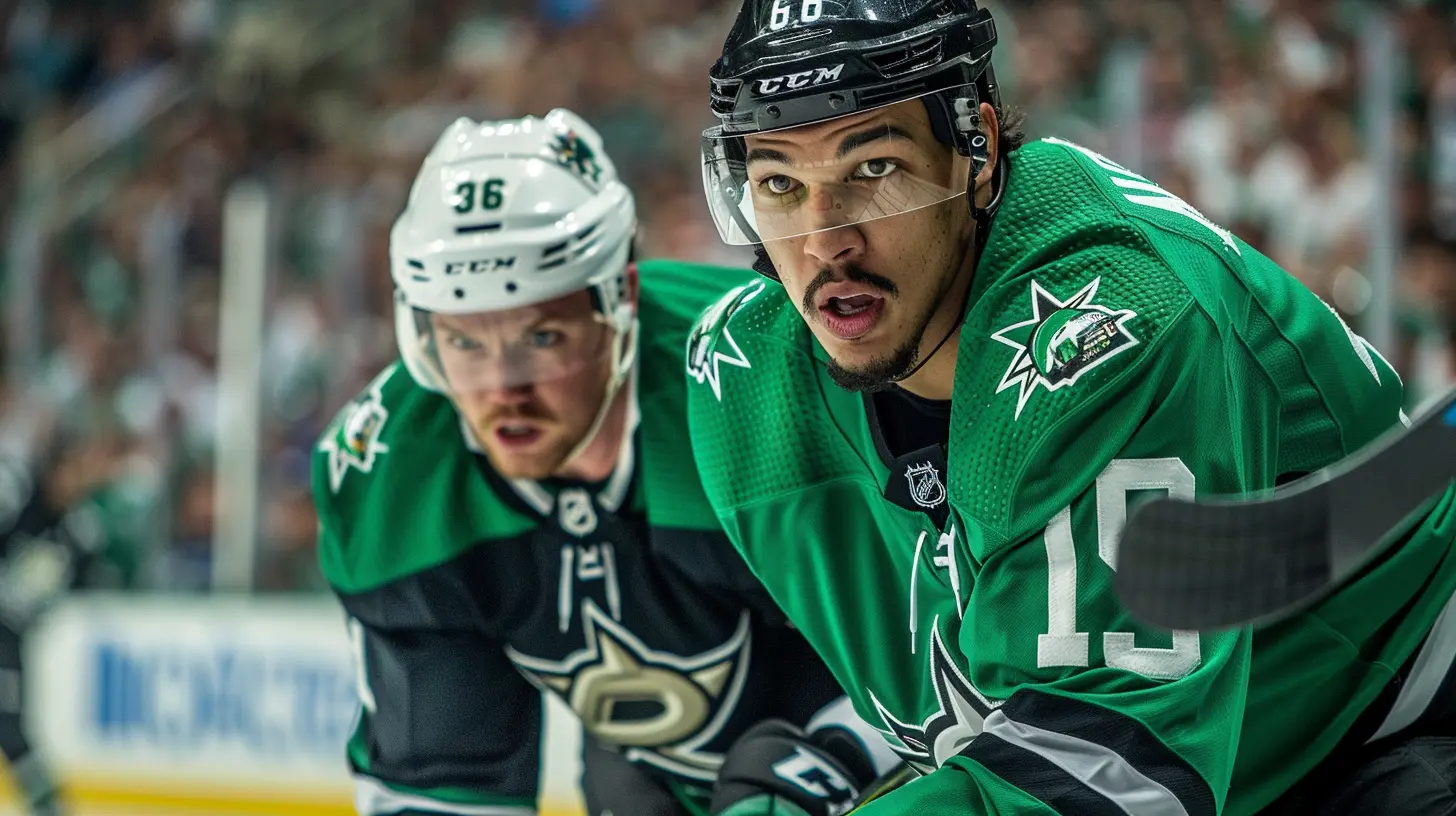
The Shock Factor: How Fans React
Sports fans are passionate. When a star player gets traded, emotions run wild. Some celebrate, imagining championship parades, while others feel betrayed.Take LeBron James' infamous "Decision" in 2010. Though it wasn’t a trade, his move to Miami had ripple effects across the league. Cavs fans burned jerseys, while Heat fans went into full celebration mode. This kind of reaction isn’t just about loyalty—it’s about identity. Fans connect with players, and when they leave, it can feel personal.
On the flip side, excitement builds for the receiving team. New merchandise flies off the shelves, ticket sales spike, and suddenly, struggling franchises feel relevant again. It’s an emotional rollercoaster, and leagues thrive on this drama.
Franchise Transformation: Instant Contender or Slow Build?
A superstar trade doesn’t always mean immediate success. Some teams pull off a trade and instantly become championship favorites, while others need time to develop around their new centerpiece.When Trades Pay Off Immediately
Some trades have an immediate impact:- Kawhi Leonard to the Raptors (2018) – When Toronto traded for Kawhi, they took a massive risk. He was coming off an injury, had one year left on his contract, and there was no guarantee he’d stay. But that gamble paid off—Toronto won its first NBA title the very next season.
- Tom Brady to the Buccaneers (2020) – Again, not a trade, but similar circumstances. The Bucs secured a veteran quarterback, and in his first season, they won the Super Bowl.
These moves prove that the right trade at the right time can instantly shift a franchise’s fortune.
When It’s a Long-Term Project
Not every trade brings a trophy overnight. Some require patience:- James Harden to the Nets (2021) – Brooklyn's attempt to build a superteam with Harden, Kevin Durant, and Kyrie Irving looked great on paper. But injuries, chemistry issues, and drama derailed their title hopes.
- Paul George to the Thunder (2017) – OKC took a shot at competing with Westbrook and George, but it never materialized into a championship. Within two seasons, both stars were gone, and the team had to rebuild.
In these cases, front offices had to ask: Did we give up too much, or did we just get unlucky?
Player Perspective: The Pressure of High Expectations
For players, getting traded is a double-edged sword. On one hand, it’s a fresh start—maybe a chance to join a contender or escape a bad situation. On the other hand? The pressure skyrockets.When you're traded for multiple draft picks or another star, expectations come with the territory. If you don’t perform right away, critics pile on. Look at Russell Westbrook’s move to the Lakers—what looked like a dream scenario quickly turned into a nightmare. Chemistry issues, fit problems, and fan frustration made it a tough situation.
Then there's the emotional side. Players develop bonds with teammates, cities, and communities. Getting traded isn’t just about basketball or football—it’s uprooting your life. Some handle it well, others struggle with the transition.
League-Wide Impact: The Ripple Effect
A major trade doesn’t just affect the two teams involved—it changes the entire league.- Power Shifts – One move can create a new superteam or break up an existing dynasty. When Kevin Durant went to the Warriors in 2016 (again, not a trade but a monumental move), it shifted the league’s balance of power for years.
- Marketability – Leagues love big trades because they generate buzz. More headlines, more TV ratings, more jersey sales.
- Trade Dominoes – One big trade often triggers others. A rebuilding team might deal another veteran, or a contender might scramble to make a counter-move.
When Trades Fail: Biggest Busts in History
Not all trades work out. Some end up as absolute disasters:- Brooklyn Nets’ 2013 Trade for Paul Pierce & Kevin Garnett – The Nets gave up a treasure chest of draft picks for two aging stars. It backfired horribly, setting the franchise back for years.
- Herschel Walker Trade (1989, NFL) – The Cowboys traded Walker to the Vikings in one of the most lopsided deals in history. Dallas turned the picks into key pieces of their 1990s dynasty, while Minnesota got very little return.
A bad trade can cripple a franchise for years. It’s why front offices have to think long and hard before making these moves.
The Future of Blockbuster Trades
With player empowerment at an all-time high, blockbuster trades aren’t slowing down anytime soon. Stars demand moves more frequently, whether it’s through frustration, business decisions, or chasing a better situation.Fans might hate the idea of players leaving, but trades keep sports unpredictable. And honestly? That’s what makes them so much fun.
Final Thoughts
When stars switch sides, it's never just about the game. It’s about emotions, legacies, championships, and sometimes, downright chaos. Whether a trade creates a dynasty or ends in disaster, one thing’s for sure—it keeps sports fans on their toes.all images in this post were generated using AI tools
Category:
Player TradesAuthor:

Easton Simmons
Discussion
rate this article
1 comments
Martha Soto
Trust and loyalty shatter; loyalty is redefined.
June 13, 2026 at 2:32 AM
Easton Simmons
That's a compelling point. Trust and loyalty certainly evolve in the world of sports, especially with high-profile trades. It reshapes relationships and fan perceptions.


![A Legacy in the Making: [Player Name]s Path to Greatness](/pictures/blog/small/a-legacy-in-the-making-player-names-path-to-greatness_2.webp)