What High School Coaches Teach That Classrooms Don’t
17 November 2026
High school is a crucial period in a young person's life, filled with challenges, growth, and self-discovery. While academic classrooms focus on subjects like math, science, and literature, high school sports coaches impart lessons that extend far beyond the playing field. The skills learned in sports often have a lasting impact, shaping character, resilience, and teamwork. This article delves into the unique teachings of high school coaches that aren't typically emphasized in traditional classrooms.
The Value of Teamwork
Understanding Team Dynamics
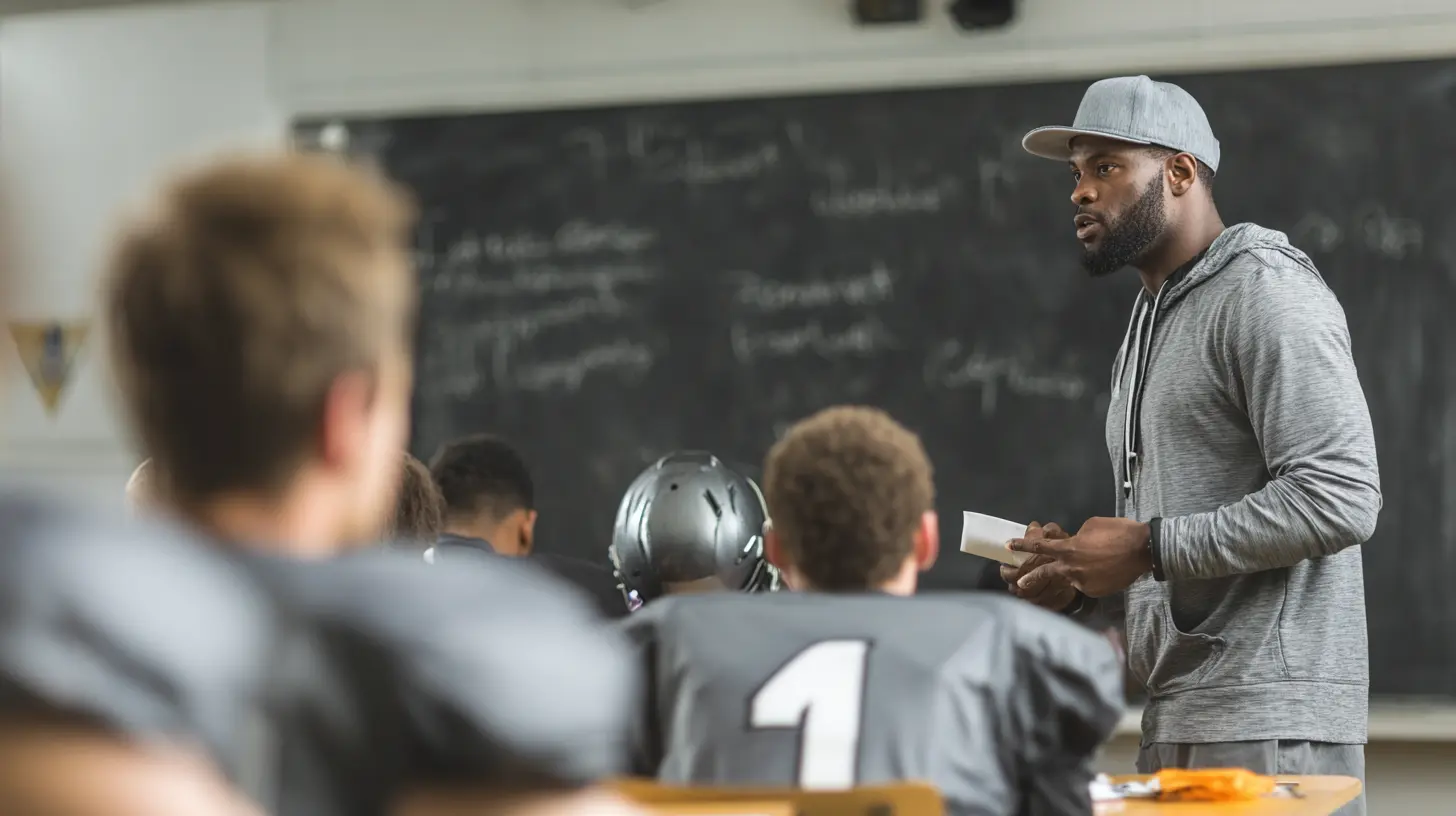
In sports, teamwork is not just encouraged; it is essential. Coaches teach athletes how to work together toward a common goal. This involves understanding roles, communicating effectively, and supporting one another. Unlike most classroom settings, where individual performance is often prioritized, sports emphasize collective success.Real-World Application
Teamwork learned in sports translates directly to professional environments. In workplaces, collaboration is key to project success. For instance, a marketing team must coordinate to launch a campaign effectively, just as a basketball team must work together to execute plays. The ability to function as part of a team is a vital skill that coaches instill.Common Mistakes
One common mistake athletes make is assuming that individual talent alone can lead to victory. Coaches emphasize that even the most skilled player cannot succeed without the support of their teammates. This lesson is crucial for students to grasp, as it encourages humility and a willingness to collaborate.
Resilience and Perseverance
Building Mental Toughness
Coaches teach athletes that failure is a part of the game. Whether it's missing a crucial shot or losing a match, setbacks are inevitable. Learning to bounce back from these disappointments is a vital life skill. Coaches often instill a mindset of resilience, encouraging athletes to view failures as opportunities for growth.Practical Examples
Consider a track athlete who falls during a race. A coach might use this moment to teach the importance of getting back up and finishing strong. This lesson is applicable in academics and life; setbacks in grades or personal challenges can be overcome with perseverance.Misconceptions About Success
A common misconception is that success is linear, with continuous improvement leading to victory. In reality, success is often a series of ups and downs. Coaches help athletes understand that perseverance through tough times is what ultimately leads to long-term achievement.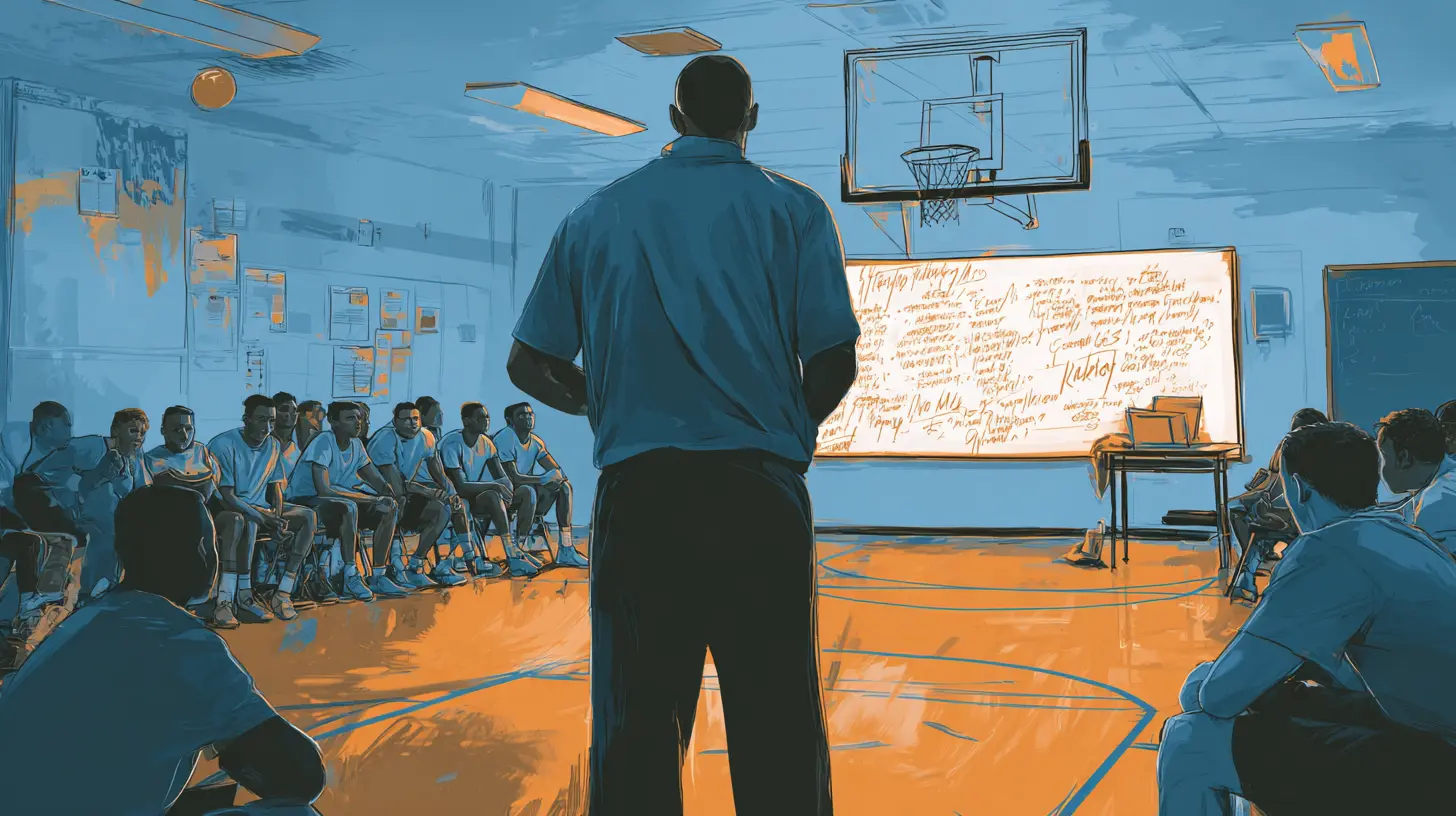
Discipline and Time Management
The Importance of Routine
High school athletes must balance their training, competitions, and academics. Coaches instill discipline by requiring athletes to maintain rigorous practice schedules while managing their schoolwork. This teaches the importance of time management, a skill that serves students well in college and beyond.Real-Life Applications
In the professional world, time management is crucial. Employees who can prioritize tasks and meet deadlines are often more successful. Coaches prepare athletes for this reality by modeling how to create and stick to a schedule.Best Practices
One effective strategy is the use of planners or digital calendars. Athletes can map out their week, allocating time for practice, study sessions, and rest. This practice can help students visualize their commitments and manage their time more effectively.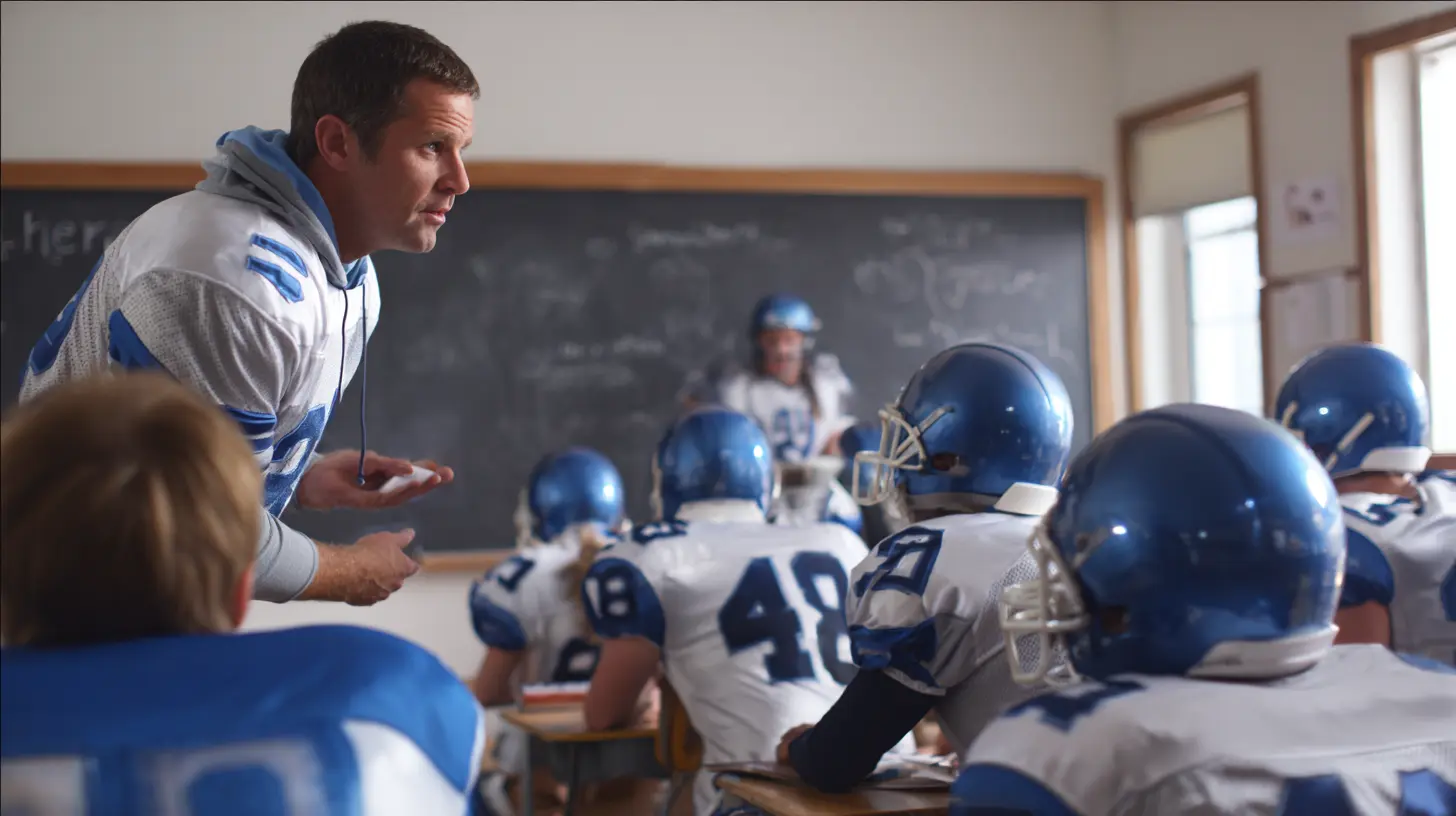
Leadership Skills
Developing Leadership Qualities
Coaches often encourage athletes to take on leadership roles, whether as team captains or by mentoring younger players. This experience teaches them how to motivate others, resolve conflicts, and make decisions under pressure.Leadership in Action
For example, a captain may need to rally the team during a tough game, demonstrating emotional intelligence and decision-making skills. These experiences cultivate a sense of responsibility and accountability, traits that are invaluable in any leadership position.Understanding Different Leadership Styles
Not all leaders are the same. Coaches often discuss various leadership styles, such as authoritative, democratic, and transformational. Understanding these styles helps athletes adapt their approach depending on the situation, a skill that is beneficial in both academic and professional settings.Communication Skills
Effective Communication on and off the Field
Sports require clear communication, whether it's calling for the ball in soccer or signaling a play in football. Coaches emphasize the importance of articulating thoughts clearly and listening actively. These skills are transferable to all areas of life, including classroom discussions and workplace collaborations.Overcoming Communication Barriers
Many students struggle with public speaking or expressing their ideas. Coaches help athletes overcome these barriers by encouraging them to speak up during practices and games. This builds confidence and helps them articulate their thoughts more effectively.Best Practices for Improvement
One practical tip for improving communication skills is to engage in regular practice, such as team meetings or group discussions. Coaches often create an environment where athletes feel safe to express their thoughts, fostering open dialogue and collaboration.
Goal Setting
The Process of Setting Goals
Coaches teach athletes to set realistic, measurable, and time-bound goals. This process involves breaking down larger objectives into smaller, achievable steps. For instance, a swimmer might aim to improve their time by a few seconds over the season.Applying Goal Setting in Life
The concept of goal setting is universally applicable. Students can use similar strategies to set academic goals, such as improving grades or completing projects on time. This structured approach helps individuals stay focused and motivated.Common Pitfalls
One common mistake in goal setting is being overly ambitious. Coaches often advise athletes to set attainable goals to avoid frustration and burnout. Understanding the balance between challenge and achievability is crucial for long-term success.Conflict Resolution
Navigating Disagreements
Conflict is inevitable in sports, whether it's between teammates or with opponents. Coaches teach athletes how to handle disagreements constructively. This skill is essential not just in sports but in every aspect of life.Real-World Scenarios
In a workplace, conflicts may arise due to differing opinions or competition for resources. The ability to approach these situations calmly and constructively can lead to better outcomes. Coaches often role-play scenarios to help athletes practice conflict resolution techniques.Best Practices for Resolution
One effective strategy is to focus on the issue rather than personal differences. Coaches encourage athletes to communicate openly, listen actively, and seek common ground, skills that are equally valuable in academic settings.
Physical Fitness and Health
The Importance of Wellness
Coaches emphasize the significance of physical fitness and overall health. They teach athletes about nutrition, injury prevention, and the importance of rest and recovery. These lessons are vital for maintaining a healthy lifestyle, which is often overlooked in academic environments.Long-Term Health Benefits
Understanding the value of fitness can lead to lifelong habits. Athletes who learn about proper nutrition and exercise are more likely to continue these practices into adulthood, reducing the risk of chronic diseases.Common Misconceptions
A misconception is that fitness is solely about rigorous training. Coaches often emphasize that recovery and nutrition are equally important. This holistic approach ensures athletes are not only fit but also mentally and emotionally healthy.Building Confidence
The Role of Positive Reinforcement
Coaches play a critical role in building athletes' self-esteem. Through positive reinforcement, they help athletes recognize their strengths and improvements. This encouragement fosters confidence that extends beyond sports.Confidence in Everyday Life
The confidence gained from sports can translate into academic settings. Students who believe in their abilities are more likely to participate actively in class and take on challenges. Coaches help athletes develop a growth mindset, viewing challenges as opportunities rather than threats.Best Practices for Cultivating Confidence
One effective method for building confidence is setting small, achievable goals. Coaches often encourage athletes to celebrate their successes, no matter how small, reinforcing a positive self-image.
Conclusion
High school coaches provide invaluable lessons that extend far beyond the field. From teamwork and resilience to leadership and communication, the skills learned in sports are essential for personal and professional success. As students navigate their academic journeys, the teachings of their coaches can guide them through challenges, helping them develop into well-rounded individuals.By embracing the lessons learned in sports, students can enhance their academic performance and prepare for future endeavors. The unique blend of skills acquired from high school athletics equips them to face life's challenges with confidence and determination.
all images in this post were generated using AI tools
Category:
Sports And EducationAuthor:

Easton Simmons

