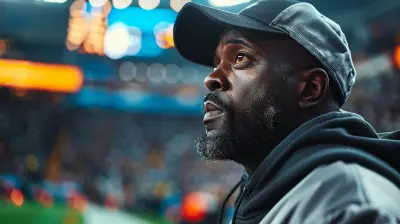
Transforming Teams: How Coaches Build Champions
5 February 2026
In the world of sports, the spotlight often shines brightly on athletes. They're the ones scoring the goals, making the plays, and breaking the records. But behind every great athlete or team, there's usually a mastermind who doesn’t always get the recognition they deserve—a coach. Coaches are the architects behind the scenes, building champions brick by brick, play by play.
But how exactly do they do it? How do they take a group of individuals and turn them into a cohesive, winning team? It’s not magic. It’s a combination of strategy, psychology, leadership, and sometimes, a little bit of tough love. Let’s dive into the nitty-gritty of how coaches transform teams and build champions.

The Role of a Coach: More Than Just a Strategy Guru
When you think of a coach, you might imagine a clipboard-carrying, whistle-blowing figure shouting out tactics from the sidelines. And yeah, strategy is a big part of it. But coaching is about so much more than X’s and O’s on a whiteboard. A coach is a leader, a mentor, a motivator, and sometimes, even a psychologist.Coaches are tasked with understanding the strengths and weaknesses of each player. They need to know how to push someone to their limits without breaking them. They must create an environment where players trust one another and are willing to sacrifice for the greater good of the team. This is no easy feat—it’s like being part scientist, part artist.
Building Trust and Camaraderie
One of the first things any successful coach does is build trust within the team. A team without trust is like trying to build a house on quicksand—it’s just not going to stand up under pressure.So how do coaches foster this trust? It usually starts by getting to know each player individually. Every athlete is different; some might thrive under pressure, while others might need a bit more nurturing. Good coaches take the time to figure this out. They listen to their players, show empathy, and create a culture where everyone feels valued.
It’s about more than just talking the talk. Coaches need to walk the walk by demonstrating that they have the team’s best interest at heart. When players see that their coach is fully invested in their success, they’re more likely to buy into the system and trust each other.
Creating a Winning Culture
A winning team doesn’t just happen overnight. The culture that surrounds a team plays a massive role in its success. As they say, “Culture eats strategy for breakfast.”Great coaches know that the right culture will make players self-motivated. They foster an atmosphere where hard work, accountability, and perseverance are the norms. Take a look at teams like the New England Patriots or Golden State Warriors—teams that dominate not just because they have a few superstar athletes, but because the entire squad buys into a culture of excellence.
Coaches like Bill Belichick or Steve Kerr didn’t just hand out playbooks and call it a day. They created environments where players hold themselves and each other accountable. Where the standard is championship-level effort every single day. That’s not just coaching—that’s building a culture of champions.
Setting Clear Goals and Expectations
Ever notice how the best coaches always seem to have a plan? That’s because they do. They set clear goals and expectations from the very start. Whether it’s winning a championship or simply improving in small, measurable ways, coaches know that clear objectives keep everyone focused and aligned.Think of it like a roadmap. Without a destination, a team is just wandering aimlessly. But with clear goals, the team knows exactly where it’s going, and the coach is the one steering the ship.
However, it’s not just about setting lofty, unattainable goals. Great coaches break down big-picture goals into smaller, actionable steps. They focus on the process—whether it’s improving technique, communication, or fitness—knowing that the results will follow.

The Psychology of Coaching: The Mind Game
While physical preparation is critical, the mental game often separates the good from the great. Coaches know this better than anyone. A team’s mindset can make or break them, especially when the stakes are high.Managing Pressure and Expectations
In any sport, pressure is inevitable. Whether it’s the final minutes of a championship game or even just a regular-season match with playoff implications, the pressure can be overwhelming. So how do coaches keep their players cool under fire?Some of it comes down to preparation. Coaches often simulate high-pressure situations in practice to get players used to the intensity. But beyond that, it’s about instilling a mindset where pressure is seen as a privilege, not a burden. The best coaches teach their teams to embrace the moment. They use pressure as a tool for growth, not something to be feared.
Coaches also help players manage expectations—both internal and external. When the media is hyping up a team or when players are putting too much pressure on themselves, a good coach steps in to keep everyone grounded. They remind their players to focus on what they can control and to trust the process.
Building Resilience
Let’s face it: not every game or season is going to go as planned. There will be losses, setbacks, and times when a team may feel like throwing in the towel. But champions are built through adversity. Resilience is the name of the game.Great coaches don’t shy away from tough conversations or difficult situations. They encourage players to face challenges head-on. They emphasize the importance of bouncing back from failure and use setbacks as teaching moments.
Take Phil Jackson, for example, one of the most successful NBA coaches of all time. He led teams through both triumph and turmoil. One of his key strategies was teaching players to stay present in the moment, no matter what was happening around them. His approach, rooted in Zen philosophy, helped his teams stay calm and focused, even when the pressure was at its peak.

Tailoring Strategies to the Team
Every team is different, and every season brings its own unique challenges. Coaches who try to apply the same strategy to every situation often fall short. The best coaches are flexible and adapt their strategies based on the strengths, weaknesses, and dynamics of their team.Understanding Player Roles
One of the key responsibilities of a coach is to define the roles of each player on the team. Not everyone can be the star. Some players might be better suited to a supporting role, while others thrive as leaders. It’s the coach’s job to figure that out and put players in positions where they can succeed.This goes beyond just physical skills. Coaches need to understand the personalities of their players as well. Some athletes might be natural-born leaders, while others might prefer to lead by example. Identifying these traits helps coaches assign roles that complement the team’s overall dynamic.
Flexibility and Adaptation
The best-laid plans can often go awry. Injuries, slumps, or even external factors like weather can throw a wrench into a coach’s strategy. That’s why flexibility is crucial. Coaches need to be able to adapt on the fly, whether it’s changing tactics mid-game or adjusting the team’s approach for the rest of the season.Legendary football coach Pep Guardiola is known for his tactical flexibility. He’s constantly tweaking formations and strategies based on the opponent and the situation. This adaptability has led him to numerous titles across different leagues and teams, proving that flexibility is a key ingredient in building champions.

Building Leaders, Not Just Athletes
A great coach doesn’t just create good players—they create leaders. Coaches understand that leadership isn’t limited to wearing the captain’s armband or being the loudest voice in the locker room. Leadership is about setting an example, inspiring others, and lifting the team when it needs it most.Developing Leadership Skills
Coaches often identify potential leaders early on and work to develop their skills. This doesn’t always mean turning someone into a vocal leader, though that can be part of it. Sometimes it’s about teaching players to lead by example—whether that’s through their work ethic, attitude, or performance under pressure.In some cases, coaches even encourage players to take on leadership roles off the field. For example, organizing team events, mentoring younger players, or even just being the glue that holds the team together during tough times. Leadership is about influence, and great coaches know how to cultivate that in their players.
Empowering Players to Take Ownership
One of the most effective ways coaches build champions is by empowering players to take ownership of the team’s success. When athletes feel like they have a stake in the outcome—when they’re not just following orders but are actively contributing to the strategy—they’re more likely to give their all.It’s a fine balance. Coaches need to guide their teams without micromanaging. They need to trust their players to make decisions in the heat of the moment. When players feel that trust, it not only boosts their confidence but also fosters a sense of responsibility and accountability.
Conclusion: The Coach as a Catalyst for Greatness
At the end of the day, coaches are the catalysts that turn potential into performance. They’re the ones who create the environment, set the tone, and push the right buttons to bring out the best in their players. They don’t just build teams—they build champions.It’s a process that involves strategy, psychology, leadership, and a whole lot of heart. And while the players may be the ones who hoist the trophy, it’s the coach who set them on the path to greatness.
###
all images in this post were generated using AI tools
Category:
Coach ProfilesAuthor:

Easton Simmons
Discussion
rate this article
2 comments
Vienna McCloud
Coaches are pivotal in shaping team culture, fostering resilience, and developing champions both on and off the field.
March 7, 2026 at 3:38 AM
Easton Simmons
Absolutely! Coaches play a crucial role in molding not just athletes, but entire teams, emphasizing values that lead to success in sports and life.
Sofia Richardson
This article highlights the crucial role of coaches in shaping not just athletes but entire teams. Their ability to inspire and cultivate resilience truly transforms potential into success, demonstrating that leadership is key to becoming champions.
February 11, 2026 at 12:45 PM
Easton Simmons
Thank you for your thoughtful comment! I'm glad you found the article highlights the pivotal role of coaches in fostering resilience and leadership within teams. Their impact is indeed profound in building champions!