Top Storylines Emerging from 2026 Training Camps
14 October 2026
Training camps are where the offseason stops being theoretical. Front offices spend months constructing rosters on paper, but the moment players report, those plans meet heat, humidity, sore hamstrings, and the unforgiving reality of live repetitions. The 2026 camp cycle has been especially revealing. Across the NFL, NBA, MLB, and international soccer, several themes keep surfacing in conversations among coaches, scouts, and analysts. Some are tactical. Some are medical. Some are purely about leverage and money. All of them will shape the seasons ahead.
What follows is not a rehash of daily camp reports. It is an attempt to identify the deeper currents, explain why they matter, and give you a framework for judging what you are seeing. If you follow a team closely, you already know the surface chatter. The goal here is to help you read between the lines.
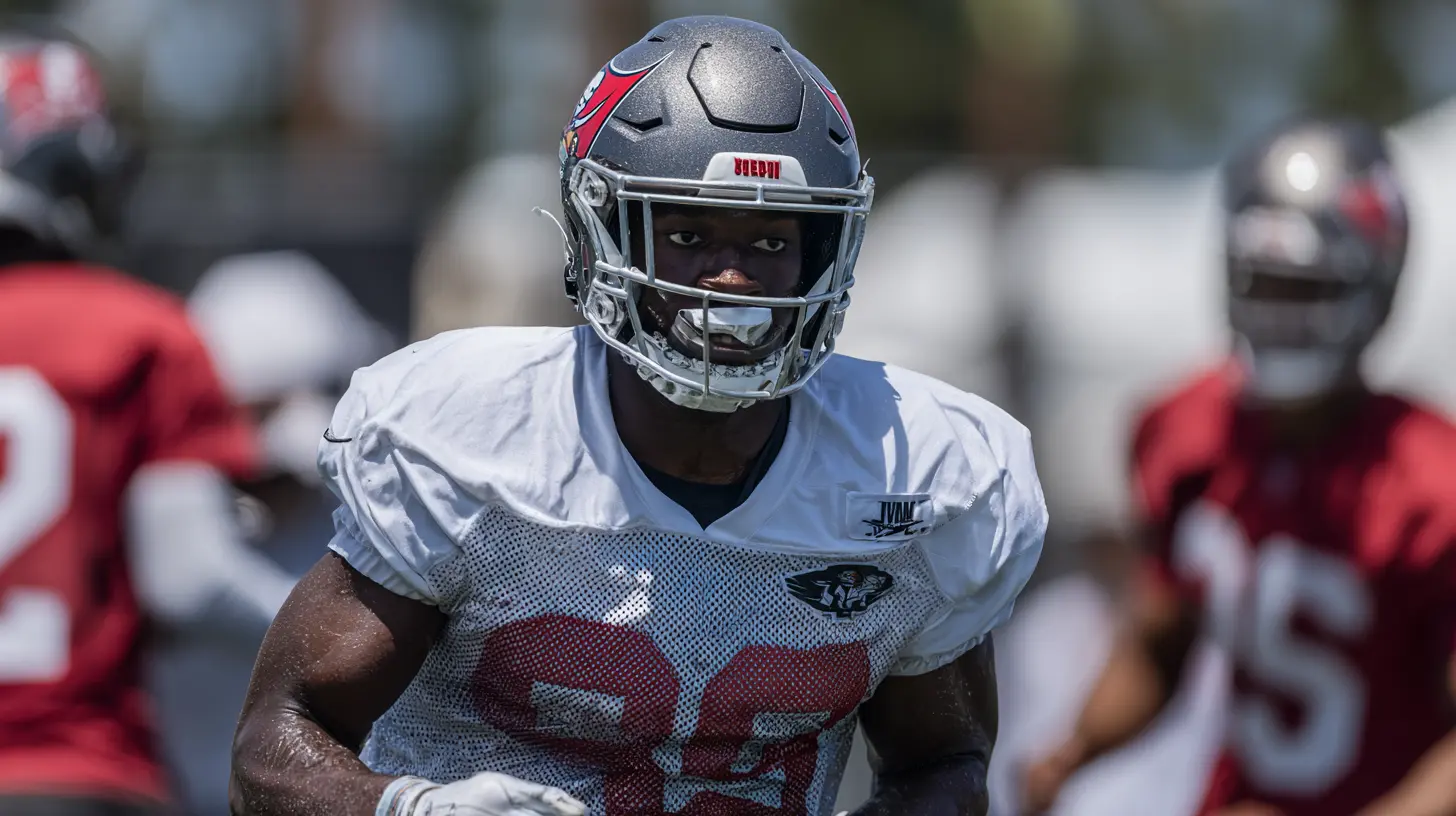
The Load Management Reckoning Arrives
For years, load management was treated as a basketball problem. Resting veterans during back-to-backs, limiting minutes in blowouts, and scheduling strategic absences became standard practice. In 2026, that philosophy has spread into football and soccer camps in ways that are reshaping how coaches build their summer plans.The driving force is simple arithmetic. Players are bigger, faster, and asked to decelerate from higher speeds more often than at any point in history. Soft tissue injuries, particularly hamstring and calf strains, have become the most common camp setbacks. Teams that once ran two-a-days with full contact are now running modified sessions with GPS tracking, force plates, and individualized thresholds.
Why This Works and Where It Fails
The logic behind reduced camp loads is sound. Muscle and tendon tissue adapt to stress gradually, and a player who arrives from a seven-week layoff cannot safely absorb the same volume as someone who trained through the summer. Progressive overload, the same principle that governs strength training, applies to camp conditioning.But there is a trade-off that coaches rarely discuss publicly. Football is a collision sport, and tackling technique degrades without live reps. A team that protects its players too aggressively in August may find itself missing tackles in September. The best camps strike a balance: limited but genuine contact, with tackling drills that emphasize form over force.
Consider the practical advice here. If you are evaluating your own team's camp approach, ask three questions. First, are players being monitored with objective data or subjective feel? Second, is the contact progression gradual or sudden? Third, are veterans and rookies on different plans, or is everyone treated identically? The answers reveal whether a team is managing load intelligently or simply avoiding risk.
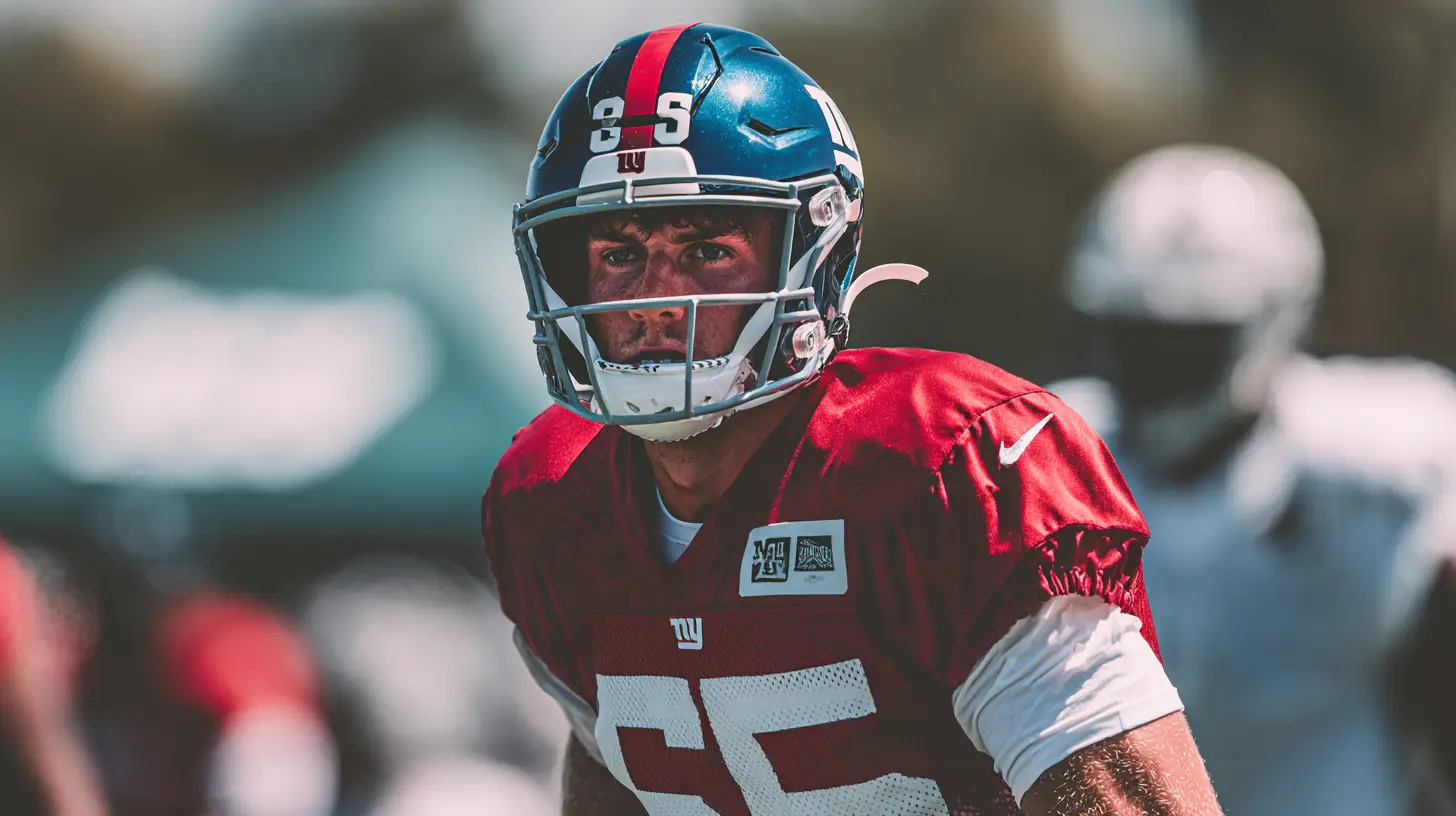
Quarterback Rooms Are Being Rebuilt Around Mobility
The 2026 camp cycle has confirmed a trend that started quietly a few years ago. Teams are no longer drafting quarterbacks purely for arm talent. They are drafting them for the ability to extend plays, and the depth charts reflect that shift.Look at the number of backup jobs being won by players who can run. In previous eras, the backup was often a stationary veteran who could manage a game. Now, the backup is frequently a young, athletic player who can run the same offense as the starter. The reasoning is straightforward. If your starter gets injured, you do not want to overhaul the scheme midseason. You want continuity.
The Hidden Cost of Mobility
There is a downside that gets overlooked. Mobile quarterbacks take more hits. They also develop habits, like bailing out of clean pockets, that can stall an offense. Defensive coordinators have adjusted by using simulated pressures and second-level defenders to confuse running lanes.The best quarterback developers in the league address this by teaching mobility as a complement, not a crutch. They drill footwork inside the pocket relentlessly. They chart every scramble and ask whether the throw was available. Over time, the goal is a player who can win from the pocket first and run second.
For fantasy players and analysts, this matters because rushing production is more stable than passing production. A quarterback who runs for 600 yards has a higher weekly floor than one who throws for 4,500. But the same player carries elevated injury risk. That tension is the central question of the 2026 season.
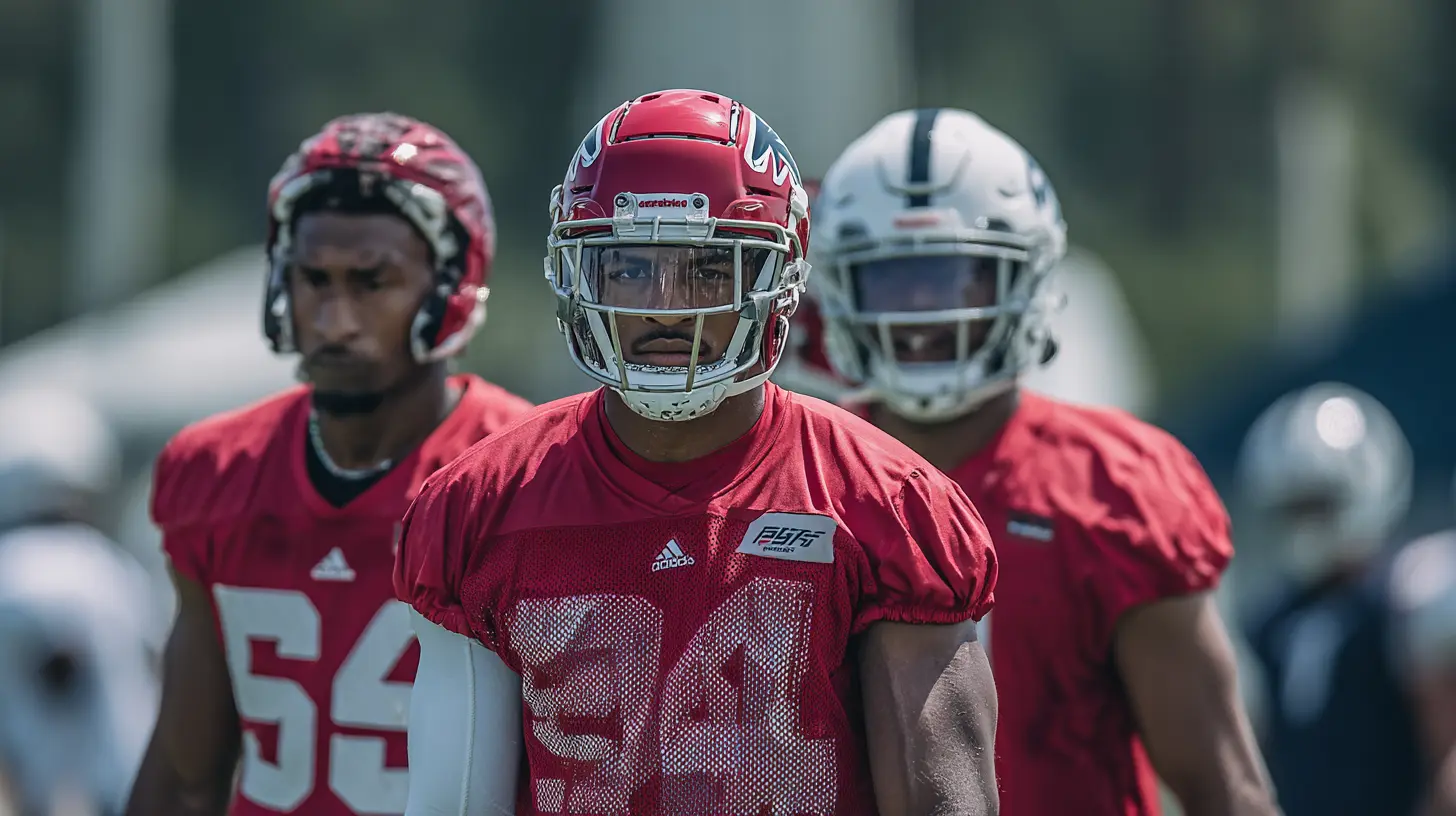
The Offensive Line Crisis Nobody Wants to Name
Offensive line play has been declining for a decade, and camps in 2026 are exposing the consequences. Teams are struggling to find five competent starters, let alone depth. The reasons are complex, but three stand out.First, college offenses have shifted toward spread concepts that rarely require linemen to pass protect for more than two seconds. Second, the developmental pipeline has thinned as fewer athletes choose to play the position. Third, the physical demands of the position have increased as pass rushers get faster and more technically refined.
What Teams Are Doing About It
Smart organizations are cross-training linemen more aggressively than ever. A tackle who can slide inside to guard is more valuable than a specialist, because injuries force reshuffling. Coaches are also simplifying protection schemes to reduce mental errors, accepting less complexity in exchange for fewer blown assignments.There is a lesson here for anyone evaluating offensive line play. Do not judge a unit by its highlight blocks. Judge it by how it handles stunts, how it communicates on twists, and how quickly it recognizes blitzes. Those are the plays that decide games, and they are the plays that camps are designed to test.
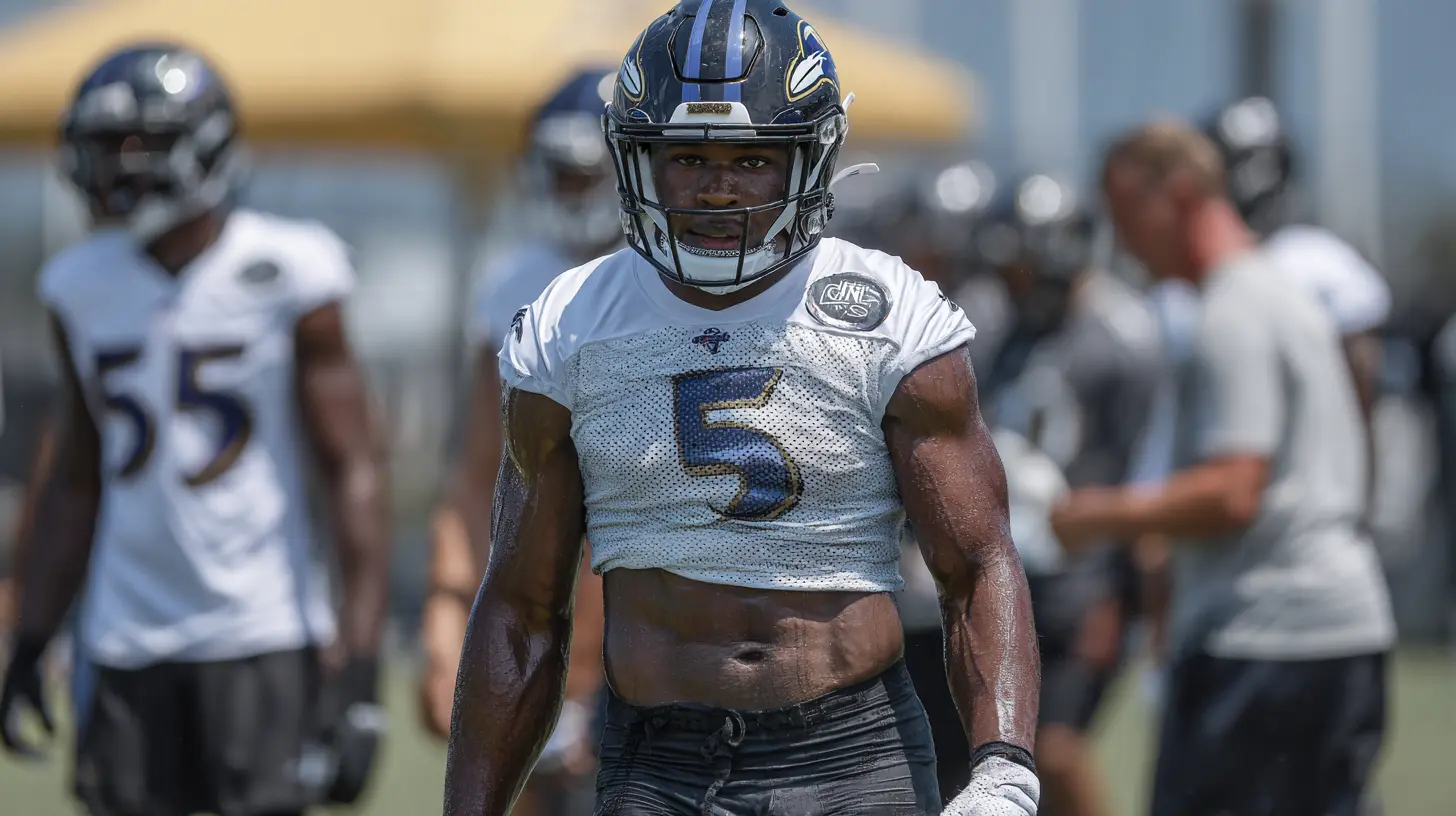
Rookie Contracts and the New Leverage Game
Every year, a handful of rookies hold out or arrive late because of contract disputes. In 2026, the disputes have a different flavor. Players and agents are pushing for earlier guarantees, performance escalators, and language that protects against injury during the preseason.The tension is understandable. Rookie contracts are relatively cheap for teams, and the collective bargaining agreement limits what can be negotiated. But agents have gotten smarter about using camp as leverage. A player who reports on time loses most of his bargaining power. A player who stays away creates pressure, especially if he is a projected starter.
The Risk of Playing Hardball
Holding out can backfire. Missed camp reps slow development, and coaches have long memories. A rookie who arrives out of shape or behind on the playbook may lose his job to a less talented player who was present.The best approach, from a player's perspective, is usually to report and let performance create leverage for the next negotiation. From a team's perspective, the best approach is to communicate clearly and avoid public criticism that damages the relationship. Both sides are learning that camp is not just about football. It is about trust.
Positional Versatility Is Now a Roster Requirement
Roster sizes are limited. Practice squads help, but they are not a substitute for players who can fill multiple roles. In 2026, versatility has become the single most valued trait in camp battles.This shows up in several ways. Linebackers who can rush the passer and cover tight ends. Defensive backs who can play safety and nickel corner. Offensive linemen who can play both guard and tackle. Wide receivers who contribute on special teams.
Why Versatility Wins Jobs
A coach who can dress one player to fill two roles gains flexibility on game day. That flexibility matters when injuries occur midgame, because it reduces the need to shuffle personnel and risk communication errors.But versatility has a cost. A player who does everything adequately may never master one thing. The best coaches identify a primary role and teach secondary roles as insurance. They do not ask a player to be equally good at everything. They ask him to be dependable everywhere and excellent somewhere.
For players, the advice is practical. If you are fighting for a roster spot, learn the job next to yours. If you are a starter, learn the job that would replace you if you moved. Coaches notice.
Special Teams Are Back in Focus
For years, special teams were treated as an afterthought in camp. Starters rarely practiced there, and coordinators had limited practice time. In 2026, that has changed, partly because of rule changes and partly because of analytics.The data is clear. Field position swings games. A punt that pins an opponent inside the five-yard line is worth roughly the same as a turnover in expected points. A kickoff return that reaches the 40 saves a team an entire possession of field position.
The New Special Teams Math
Coaches are now using analytics to decide when to go for it on fourth down, when to attempt two-point conversions, and when to squib kick. Those decisions require players who can execute under pressure, which means special teams reps matter more than they used to.The practical implication for camp evaluation is this. Do not ignore the third phase. A team that is sloppy on punt coverage in August will lose a game in October because of it. Watch the specialists, but also watch the gunners, the blockers, and the returners. That is where hidden value lives.
The International Soccer Camp Parallel
It would be a mistake to treat this as an American football story. European soccer clubs are running their own preseason camps in 2026, and the same themes are emerging.Load management is a constant topic as clubs balance domestic league schedules with continental competitions. Squad rotation is no longer optional. It is a survival strategy. Managers who run their best eleven into the ground in July and August pay for it in November.
Tactical Flexibility in Preseason
Soccer camps are also where tactical experiments happen. Managers test back threes, inverted fullbacks, and high pressing systems before the competitive matches begin. Some experiments fail, and that is fine. Preseason is a laboratory.The lesson for fans is patience. Do not overreact to a preseason result. Do not assume a new formation will stick. Watch instead for patterns that repeat across multiple matches. Those are the ones the manager trusts.
What to Watch in the Coming Weeks
As camps wind down and preseason games begin, several questions will resolve themselves. Which rookies will earn starting jobs? Which veterans will be released in favor of cheaper, younger options? Which injuries will linger into the regular season?Here is a framework for evaluating what you see.
First, separate signal from noise. A single spectacular catch in a non-contact drill means little. A week of consistent wins in one-on-one pass rush drills means a lot.
Second, track availability, not just ability. The best ability is availability. A player who practices every day and plays every snap is more valuable than a player who flashes occasionally and misses time.
Third, pay attention to coaching decisions, not just player performance. Who is getting first-team reps? Who is being cross-trained? Who is being held out for "maintenance"? Those choices reveal the depth chart before it is published.
Fourth, be skeptical of camp hype. Every year, an undrafted player becomes a preseason star and then disappears. Every year, a high draft pick struggles and then figures it out. Camp is a snapshot, not a verdict.
The Bigger Picture
Training camps exist to prepare teams for a long season, but they also serve as a mirror. They reflect how organizations think about risk, development, money, and teamwork. The storylines emerging in 2026 are not isolated. They are symptoms of deeper shifts in how sports are played, coached, and managed.The teams that handle these shifts best will be the ones that stay healthy, develop depth, and adapt on the fly. The teams that ignore them will blame injuries, bad luck, and officiating. The difference is not talent. It is preparation.
If you take one thing from this camp cycle, let it be this. The offseason is not a break. It is a competitive advantage waiting to be claimed. The teams that treat it that way are the ones still playing in January.
all images in this post were generated using AI tools
Category:
Preseason AnalysisAuthor:

Easton Simmons