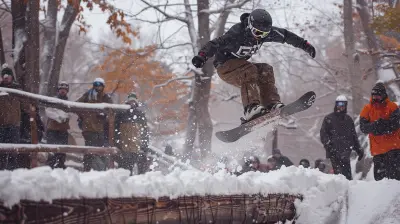
The Science of Staying Warm: Layering Techniques for Cold Days
14 November 2026
As the mercury drops and the landscape transforms into a winter wonderland, staying warm becomes essential, especially for those who enjoy outdoor activities. Layering is one of the most effective techniques to regulate body temperature, manage moisture, and ensure comfort in cold conditions. This article will delve into the science of layering, exploring the different types, materials, and strategies you can employ to stay warm on those chilly days.

Understanding the Basics of Layering
Layering is not just about putting on more clothes; it's about how those layers interact with each other and your body. The primary purpose of layering is to trap heat while allowing moisture to escape, which is crucial for maintaining comfort during physical activity.The Three Key Layers
1. Base Layer: This is the layer closest to your skin. Its primary function is to wick moisture away from your body. A good base layer should be snug but not restrictive, allowing for comfort and freedom of movement.2. Mid Layer: This layer provides insulation and retains heat. Materials such as fleece, wool, or synthetic insulation are commonly used in mid layers. The choice of material can greatly affect how well the layer traps heat.
3. Outer Layer: Also known as the shell, the outer layer serves as a barrier against wind, rain, and snow. It is usually made from waterproof or water-resistant materials. This layer should also be breathable to allow moisture to escape from the inner layers.

Choosing the Right Materials
The materials you choose for each layer can dramatically influence your comfort level. Here's a closer look at the most common materials:Base Layer Materials
- Synthetic Fabrics: Polyester and nylon are popular choices for their moisture-wicking properties. They dry quickly and maintain their shape well. However, they may not provide as much warmth when wet, which is something to consider if you are in extremely cold conditions.- Merino Wool: This natural fiber is excellent for temperature regulation and has inherent moisture-wicking properties. It remains warm even when damp, making it a favorite among outdoor enthusiasts. However, it can be pricier than synthetic options.
Mid Layer Materials
- Fleece: Lightweight and warm, fleece is a common mid-layer choice. It offers good breathability but can lose effectiveness if it gets wet.- Down Insulation: Known for its high warmth-to-weight ratio, down insulation is an excellent choice for extremely cold conditions. However, it loses insulation properties when wet, so it's essential to ensure your outer layer is waterproof.
- Synthetic Insulation: Materials like Primaloft mimic down insulation but retain their insulating properties even when wet. They are a great choice for versatility in varying conditions.
Outer Layer Materials
- Gore-Tex: This is a well-known waterproof and breathable fabric. It keeps moisture out while allowing sweat vapor to escape, making it ideal for active pursuits in wet conditions.- Nylon and Polyester Shells: These fabrics are lightweight and durable, providing protection from wind and light precipitation. However, they may not offer the same level of breathability as specialized materials like Gore-Tex.

Layering Techniques for Optimal Warmth
Once you understand the materials, it's important to consider how to effectively layer them. Here are some practical tips for creating an effective layering system.Fit Matters
Each layer should fit well without being too tight. Base layers should be snug to facilitate moisture wicking, while mid layers can be slightly looser for added insulation. The outer layer should allow for free movement without being baggy, which can trap air and reduce warmth.Optimize Breathability
When exercising, your body generates heat and moisture. It is crucial to choose breathable materials that allow sweat to escape. If moisture builds up inside your layers, you risk feeling cold once you stop moving. Ensure your outer layer has vents or is designed to be breathable.Layering Order
The order of your layers matters. Start with a moisture-wicking base layer, add an insulating mid layer, and finish with a protective outer layer. This order allows for efficient heat retention and moisture management.Adjusting for Activity Level
Your activity level will dictate how you layer. If you're engaging in high-intensity activities like skiing or hiking, you might opt for lighter weights or even forgo a mid layer. Conversely, during low-intensity activities or prolonged periods of inactivity, you may need extra insulation.
Common Mistakes in Layering
Even seasoned outdoor enthusiasts can make layering mistakes. Here are a few common pitfalls to avoid:Overlayering
While it might seem logical that more layers mean more warmth, too many layers can lead to overheating. If you find yourself sweating excessively, it's a sign to shed a layer. Balance is key.Neglecting Extremities
Hands, feet, and heads lose heat rapidly. Don't forget to layer appropriately in these areas. Wear moisture-wicking socks, insulated gloves, and a warm hat to maintain overall body warmth.Ignoring Weather Conditions
Consider the weather conditions before heading out. If rain or snow is expected, ensure your outer layer is equipped to handle it. On windy days, a windproof outer layer becomes essential.Real-World Examples of Layering in Action
Skiing
A skier might wear a lightweight synthetic base layer, a fleece mid layer for insulation, and a waterproof Gore-Tex shell to protect against the elements. They might also add a neck gaiter and a beanie for additional warmth.Hiking
For a winter hike, start with a merino wool base layer, follow with a synthetic fleece mid layer, and finish with a breathable but water-resistant shell. This setup allows for flexibility as you can adjust layers based on your exertion level.Casual Winter Walks
For a casual stroll, a long-sleeve moisture-wicking shirt as a base layer, a light insulated jacket as a mid layer, and a windbreaker as your outer layer can provide sufficient warmth without overheating.
Conclusion: Mastering the Art of Layering
Mastering the science of staying warm through effective layering techniques can transform your cold-weather experience. Understanding the purpose of each layer, selecting the right materials, and avoiding common pitfalls will ensure you stay comfortable and warm, regardless of the chill in the air.Whether you're hitting the slopes, hiking through snowy trails, or simply enjoying a winter walk, the right layering system can make all the difference. Take the time to experiment with different combinations to find what works best for you, and remember that comfort is just as important as warmth.
all images in this post were generated using AI tools
Category:
SkiingAuthor:

Easton Simmons