The Role of Meditation and Visualization in Surfing Success
9 March 2026
Ever watched a surfer effortlessly glide across a wave and thought, “How do they make it look so easy?” It’s not just physical skill and years of experience. Behind the scenes, there’s often a sharp mental game at play. That’s where meditation and visualization come in — two powerful, often underestimated tools in the path to surfing greatness.
Sure, you can train your body to become stronger, quicker, and more flexible. But if your mind isn’t in sync, it’s like trying to surf with one foot on the board and the other stuck in the sand. Mentally being there is just as crucial as physically riding the wave.
In this article, we’ll dive deep into how tuning your mind through meditation and visualization can elevate your surfing game more than you ever imagined.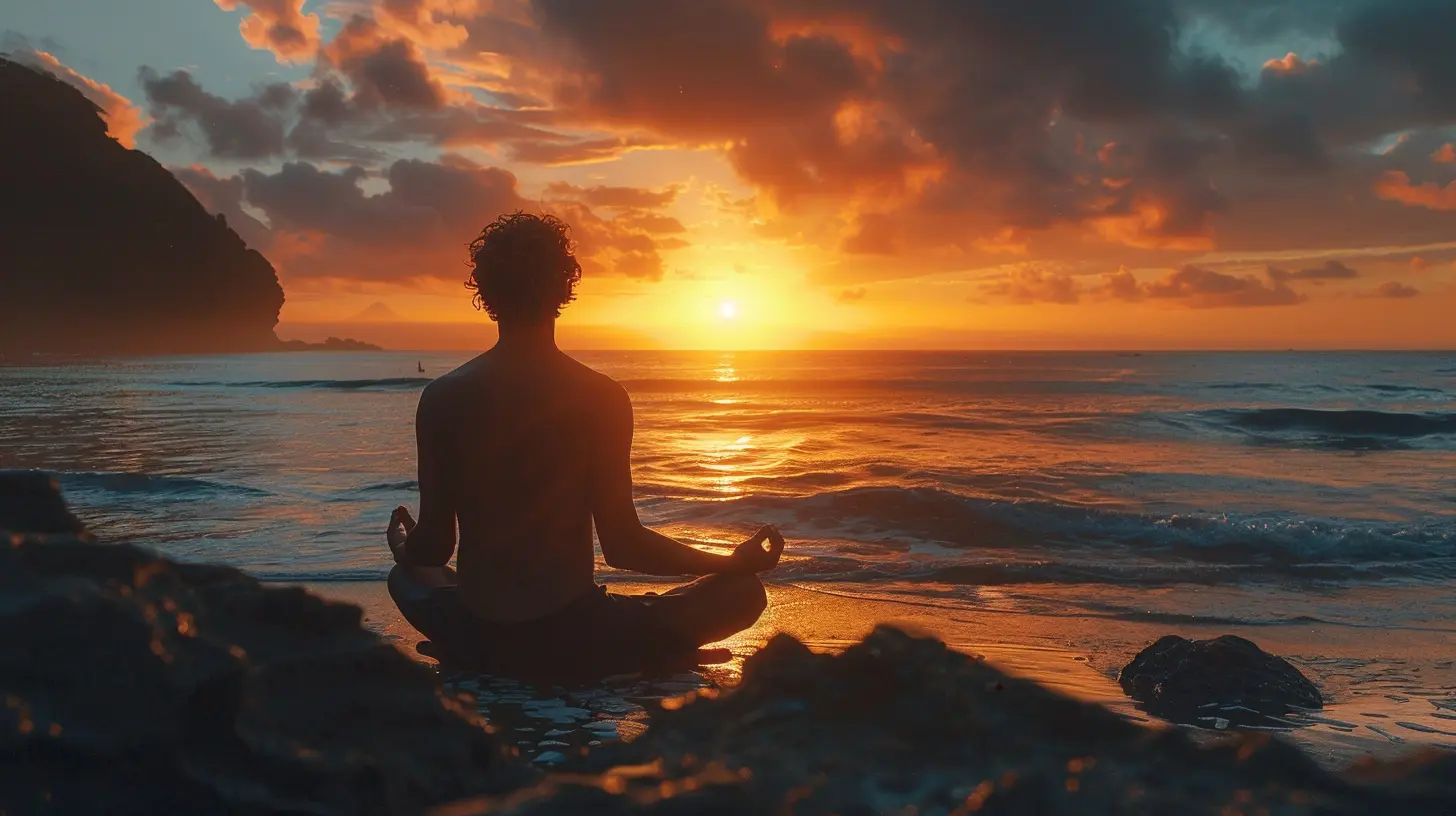
Why Mindset Matters in Surfing
Surfing isn't just a sport — it's a lifestyle, a spiritual journey, and a test of your patience wrapped into one. Waves are unpredictable. The ocean doesn’t care about your plans. You might paddle out on a calm morning and face thunderous swells within minutes.That’s why mental strength is key.
Fear, anxiety, and self-doubt are common paddling partners. Ever wiped out and then hesitated on the next wave? That hesitation comes from the mind, not the muscles. So, building mental resilience is as important as practicing your pop-up.
And this is where meditation and visualization start making waves.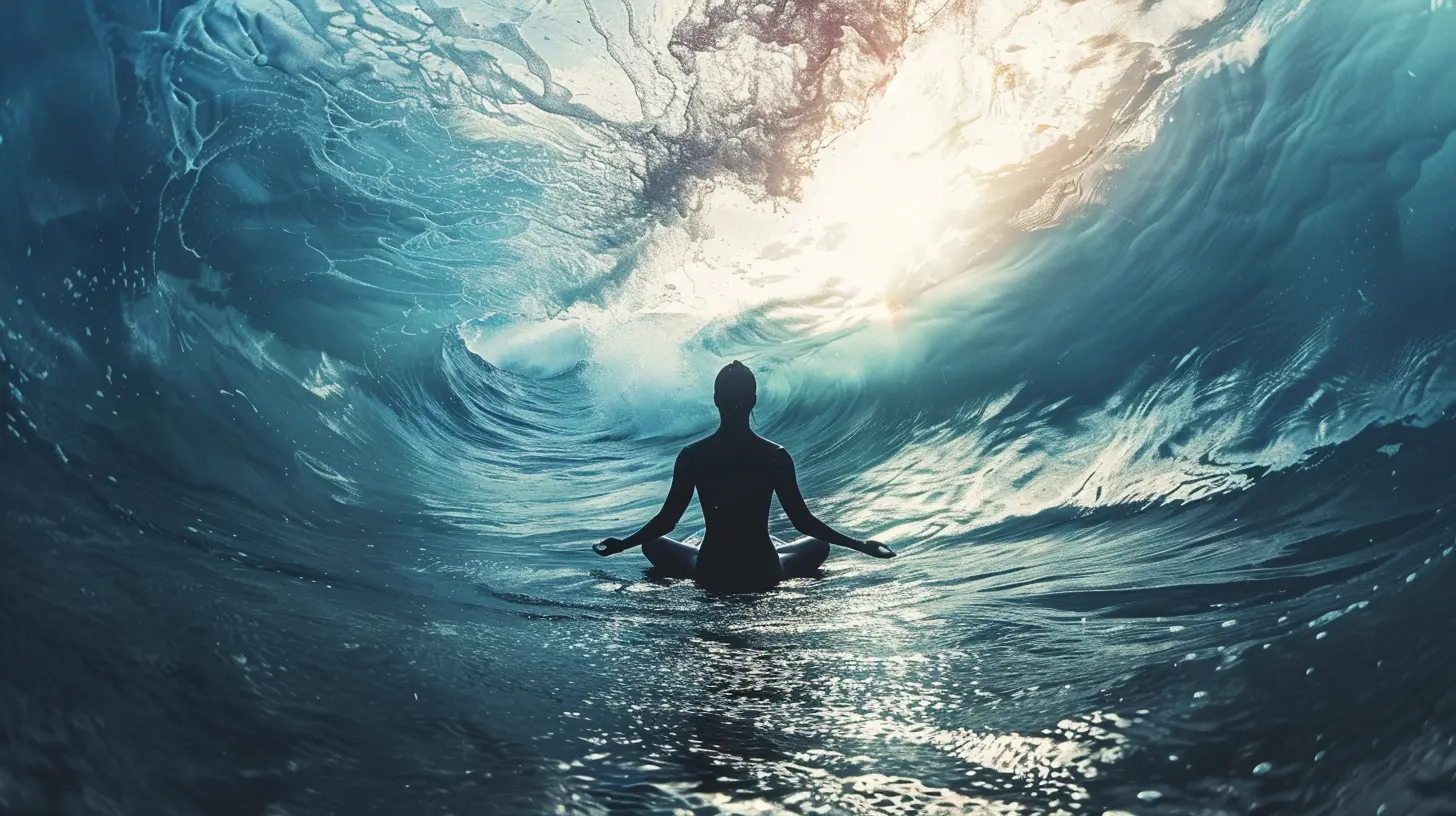
What Is Meditation, Really?
Let’s break it down. You’ve probably heard people talk about meditating like it’s some mystical, monk-level ritual. Truth is, it’s much simpler. Meditation is just training your attention. It’s about being present, noticing your thoughts, and letting them pass without grabbing onto them like a panicked surfer snatching for their board leash.By regularly practicing meditation, surfers can:
- Stay calm under pressure
- Control breathing during intense wave sessions
- Build awareness of their thoughts and emotions
- Keep their focus razor-sharp when it counts
Just like surfing, meditation is a practice. You won’t be a Zen master in a day. But with consistency, it becomes a game-changer out in the lineup.
Meditation and the Flow State
If you’ve ever caught the wave just right — where everything clicks, time slows down, and it feels like you’re dancing with the ocean — that’s the flow state.Meditation increases your ability to enter flow more often and stay there longer. It trains your brain to ignore distractions, to be completely in the moment — which is exactly what surfing demands.
The ocean doesn’t wait. Every second counts. Being mentally tuned in could mean the difference between catching the ride of your life or wiping out hard.
How to Start Meditating (Even If You Think You Can’t Sit Still)
Don’t stress. You don’t have to chant, sit cross-legged for hours, or light incense to gain the benefits. All you need is a few minutes and a bit of quiet.Here’s a simple routine you can follow:
1. Find a quiet spot — somewhere you won’t be interrupted.
2. Sit comfortably — no need to twist yourself into knots.
3. Close your eyes and focus on your breath.
4. Notice each inhale and exhale.
5. When your mind wanders (and it will!), gently bring it back to your breath.
Start with 5 minutes a day. That’s it. Build from there. You’ll be surprised how even just a few deep, mindful breaths before heading into the surf can calm nerves and sharpen focus.
The Power of Visualization in Surfing
Now, let’s talk visualization. This is where things get exciting.Visualization is essentially mental rehearsal. Top athletes use it all the time. Why? Because the brain can’t tell much difference between doing something and vividly imagining it. That’s wild, right?
Picture this: You close your eyes and mentally walk through paddling out, catching a wave, popping up with perfect timing, and carving along the face of the wave. You feel the spray, the balance, the rhythm. You’re literally training your brain to succeed.
If you’ve done it in your mind a hundred times, your body’s more likely to follow through naturally when it’s time to perform.
How Visualization Builds Confidence
Confidence is a surfer’s secret weapon. When you believe in your ability to land a maneuver or charge a big wave, you’re more likely to send it. Visualization helps build that confidence.Here’s why:
- It rewires negative thought patterns
- It rehearses successful outcomes
- It keeps your goals front and center
- It boosts your emotional preparation
Athletes across every sport — from Olympians to MMA fighters — swear by it. Surfing is no different. The wave might be new, but your response doesn’t have to be. With enough mental reps, you’ll feel like you’ve been there before, even if it’s your first time dropping into a gnarly break.
Visualization Techniques for Surfers
You don’t need a VR headset or high-tech gear. Just your imagination and a quiet space.Try these steps:
1. Close your eyes and take a few deep breaths to center yourself.
2. Set a clear intention — are you visualizing a smooth takeoff? A clean barrel ride? A perfect pop-up?
3. Engage all senses — What do you feel beneath your feet? What’s the sound of the breaking wave? Can you feel the sun or wind?
4. Play the scenario in your mind like a movie — from paddling to standing up to finishing the ride.
5. Repeat regularly — morning, pre-surf, or before bed.
The more detailed the visualization, the more powerful it becomes. See it. Feel it. Believe it. Then repeat it.
Real-Life Surfers Who Swear by It
Plenty of pro surfers incorporate meditation and visualization into their daily grind. Kelly Slater, arguably the greatest surfer of all time, has spoken about the mental side of surfing for years. He invests time meditating, focusing on breath, and visualizing his next moves.Tom Carroll and Mick Fanning have also credited meditation for helping them stay calm and composed — especially in high-stakes moments or after traumatic events (like Fanning’s infamous shark encounter).
These pros have access to the best trainers and techniques in the world, and still, they emphasize the importance of the mind. That tells you something.
Combining Physical and Mental Training
Let’s be real: meditation and visualization alone won’t turn you into a surf god. They’re not magic. You still need to put in the paddle time, train your body, and study the ocean.But when combined with physical training, they amplify your results.
Think of it like this: your body is the hardware, and your mind is the software. For everything to run smoothly, both need to be tuned up. Meditation helps you reboot, while visualization programs your next move.
Want better turns? Visualize them.
Want more stamina? Meditate to stay calm and conserve energy.
Want to reduce fear before a big swell? Use breathwork and mental rehearsal.
It’s the ultimate combo — brain and body in harmony.
Building Your Own Mental Surf Routine
Ready to bring this into your sessions? Here’s a simple routine to get started:Pre-Surf
- 5-minute breathing meditation- 2-min visualization of a perfect wave session
During Surf
- Use mindful breathing while waiting for waves- Take mental notes of successful moments for later visualization
Post-Surf
- Reflect on how you felt mentally and emotionally- Practice gratitude (it rewires your brain positively!)
- Revisit a short meditation to wind down
Repeat this routine regularly, and over time you’ll notice a profound shift — not just in performance, but in how you feel on the board.
Final Thoughts: Catch the Wave in Your Mind First
Surfing is magical, but let’s not pretend it’s easy. Every session is a dance with unpredictability. The ocean throws plenty at you — both physically and mentally.But with meditation, you train your mind to stay steady.
With visualization, you prepare for greatness before your feet even touch the board.
You don’t need to be perfect. Start small. Tune in. See the wave before it comes. Trust in your practice. And soon, you’ll notice that the calm you carry within you makes getting out there feel a whole lot easier — and way more fun.
Stay stoked, stay present, and keep both your mind and your board balanced.
all images in this post were generated using AI tools
Category:
SurfingAuthor:

Easton Simmons
Discussion
rate this article
2 comments
Melissa Nguyen
Meditation and visualization significantly enhance focus and performance in surfing.
April 4, 2026 at 4:24 AM
Easton Simmons
Thank you for your comment! Absolutely, meditation and visualization can help surfers improve their mental clarity and performance on the waves.
Tabitha McNair
This article beautifully captures how meditation and visualization can transform a surfer's mindset. It's a powerful reminder of the mental side of success!
March 10, 2026 at 1:55 PM
Easton Simmons
Thank you! I'm glad you found the article insightful. Meditation and visualization truly play a vital role in enhancing a surfer's mindset.