The Role of Leadership in Amateur Team Sports
3 January 2026
When we think of team sports, our minds often race to professional leagues — the big stadiums, televised games, and star athletes making headlines. But let’s not forget where it all starts: amateur sports. From weekend soccer leagues to high school basketball teams, amateur sports are the heartbeat of true community competition and personal growth. And at the core of what makes these teams tick? Leadership. Yep, leadership isn’t just for CEOs and military generals. In amateur team sports, leadership can make or break the entire experience for athletes, coaches, and even fans sitting on the sidelines with coffee in hand.
Why Leadership Matters (Even When No One’s Getting Paid)
So why is leadership such a big deal in sports where players aren’t raking in millions or signing shoe deals? Simple: because every team, regardless of skill level, needs direction and purpose. Leadership provides that compass.Amateur teams often face more challenges than professional ones — lack of resources, varied skill levels, and minimal training. In these settings, strong leadership isn’t just helpful; it’s essential. Leaders build trust, maintain focus, and create a team vibe that keeps players coming back game after game.
Think about it. Would you want to play on a team where no one communicates, everyone does their own thing, and the game plan changes every five minutes? Neither would anyone else.

Types of Leadership in Amateur Sports
Leadership isn’t one-size-fits-all. And in amateur sports, different types of leaders rise up depending on the context and personalities involved. Here's a closer look:1. Coaches as Leaders
Let’s start with the obvious — the coach. In amateur sports, coaches do way more than call plays or conduct practice. They’re mentors, strategy-makers, sometimes even therapists. Their leadership can set the tone for the entire season.A good amateur coach doesn’t need to have elite credentials. What they do need is the ability to adapt, communicate, and inspire. It’s about pulling players together, helping them improve, and keeping the energy positive — even after a tough loss.
2. Team Captains and Veteran Players
Then there’s the on-field leadership, often coming from a team captain or the most experienced player. These are the folks who lead by example — hustling in drills, encouraging teammates, and holding people accountable without being overbearing. They’re like a second set of eyes for the coach and often know the pulse of the team better than anyone.Sometimes, the best leaders aren’t even the most talented players. They’re the ones who communicate effectively, mediate disputes, and lead in huddles when the game’s on the line.
3. Silent Leaders
Ever heard the phrase "actions speak louder than words"? That’s the silent leader. They may not be vocal, but their work ethic and consistency inspire everyone else. These players show up early, stay late, and push themselves — and in doing so, they elevate everyone around them.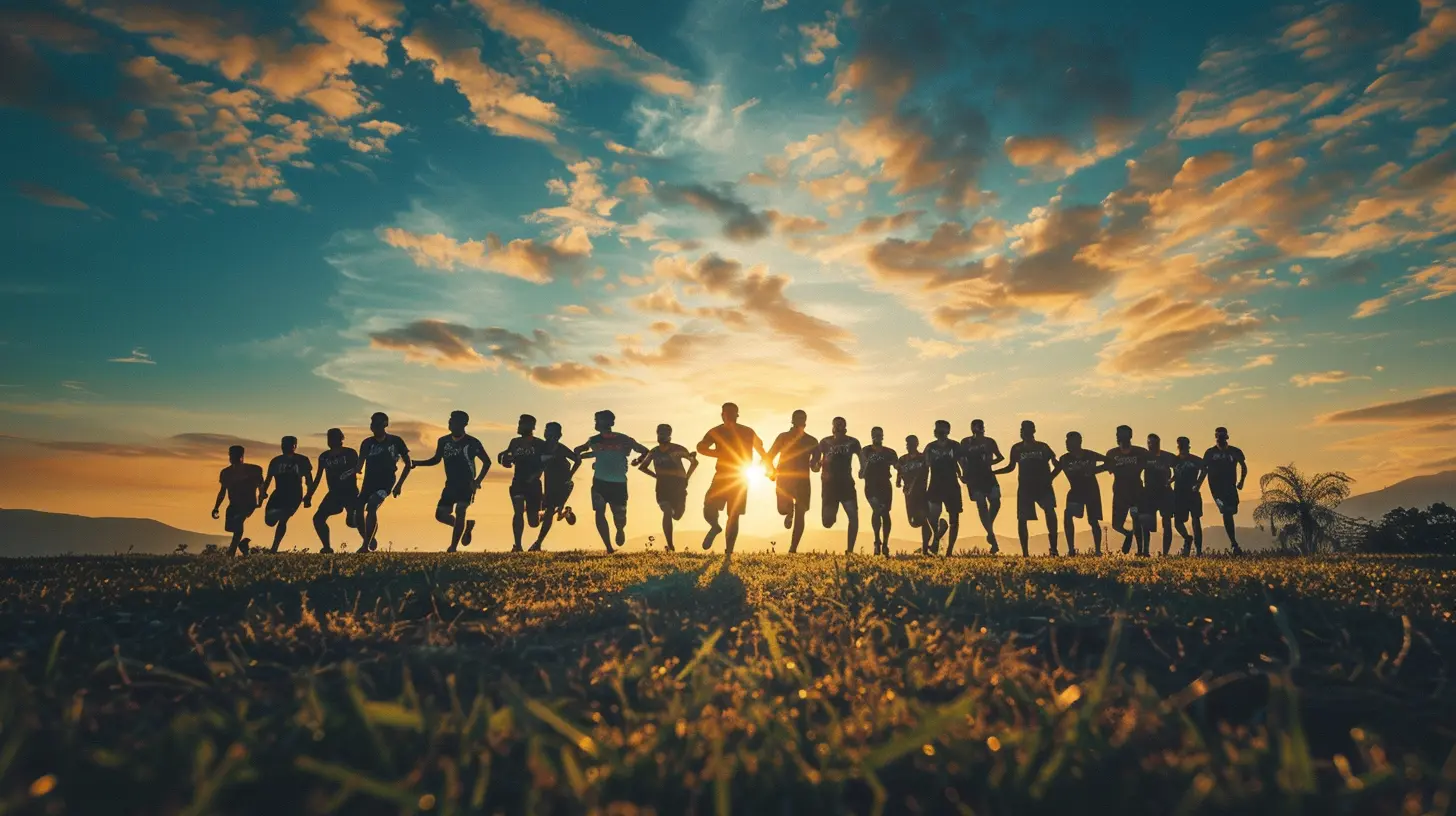
How Leadership Impacts Team Dynamics
Now, let’s dig into how leadership actually affects the way a team functions — because it’s not just about wearing a captain’s armband or giving a pep talk.1. Communication
Great leadership sets the tone for communication on and off the field. This includes everything from how drills are run in practice to how disagreements are handled during a game. Effective leaders make sure that everyone feels heard, understood, and valued.Poor communication? That leads to confusion, missed assignments, and frustration. And in team sports, frustration spreads like wildfire.
2. Motivation and Morale
Amateur athletes juggle school, jobs, and personal commitments. They’re not playing for contracts — they’re playing for the love of the game. That makes motivation a delicate but essential piece.Strong leaders know how to keep motivation levels high — whether through encouragement, setting short-term goals, or just reminding the team why they started in the first place.
3. Cohesion and Culture
Great teams have something that goes beyond talent. They have chemistry. Leadership helps build that chemistry by fostering a culture of respect, inclusivity, and support.When players know they’re part of something bigger than themselves, they play harder — not just for personal success, but for the guy or girl next to them. That’s the magic sauce of any successful team.

The Ripple Effect of Leadership
Think leadership only affects the team? Think again. Leadership influences the entire ecosystem around amateur sports — parents, fans, and even the community.1. Developing Future Leaders
When players see leadership in action, they learn from it. That shy 14-year-old kid who barely speaks during practice today could be leading the varsity squad a year from now. One generation of leadership often inspires the next. It’s the sports version of paying it forward.2. Community Engagement
Great leadership drives team involvement in the local community. Whether it's organizing clean-up events, mentoring younger athletes, or just playing with integrity, these actions elevate how people perceive amateur sports in general. It turns casual leagues into community cornerstones.3. Lifelong Lessons
The lessons learned under good leadership — discipline, empathy, accountability — don’t disappear when the season ends. They stick. Players carry them into school, work, and relationships. In that sense, the impact of leadership extends far beyond jerseys and scoreboards.Challenges Leaders Face in Amateur Team Sports
Sure, leadership in amateur sports can be powerful — but it’s not always smooth sailing. Let’s talk about some of the hurdles.1. Limited Resources
Unlike pro teams, amateur squads often have tight budgets and limited access to facilities or equipment. Leaders have to work around that, getting creative and staying optimistic even when conditions aren’t ideal.2. Diverse Skill Levels
On amateur teams, you might have experienced athletes playing alongside total newcomers. That can create friction — unless leaders step in to create unity and mutual respect. It’s all about finding balance and making everyone feel like they matter.3. Time and Commitment Constraints
Let’s face it — amateur players have lives. Jobs, school, family obligations. Leaders have to be flexible and understanding while still setting expectations. It’s a constant juggling act.
Leadership Strategies You Can Use Today
If you're involved with an amateur team — as a player, coach, or volunteer — you might be wondering how to build or improve leadership within your group. Here are some real-world strategies that actually work:1. Lead by Example
Don't just talk the talk — walk it. Show up early. Hustle. Stay positive. That kind of attitude is contagious.2. Communicate with Clarity
Speak up. Encourage feedback. Create a culture where people can express concerns without fear of judgment.3. Celebrate Small Wins
Did someone finally hit that layup they’ve been working on for weeks? Celebrate it. Recognizing growth builds morale and momentum.4. Empower Others
Leadership isn’t about doing everything yourself. It’s about lifting others up. Assign roles, encourage initiative, and let different voices be heard.5. Stay Consistent
One day you’re super intense, the next day you’re laid-back? That can confuse teams. Consistency in your approach builds trust and stability.Real-Life Examples of Leadership in Amateur Sports
Let’s bring this to life with a couple of quick real-world snapshots:- Local Women’s Soccer League: One player took on the role of organizing rides, bringing snacks, and leading warm-ups. She wasn’t the best on the field, but she kept the team bonded and motivated. They didn’t win every game, but they had the strongest team spirit in the league.
- High School Baseball Coach: Instead of focusing only on stats and wins, he emphasized life skills — showing up on time, being respectful, and supporting one another. Years later, former players still speak of how that coach shaped their lives far beyond the diamond.
The Bottom Line
At the end of the day, talent can get you far, but leadership is what makes an amateur team truly great. It brings out the best in people, strengthens relationships, and leaves a lasting impression way beyond the playing field.Whether you’re a coach sketching plays on a clipboard, a captain giving an inspiring halftime speech, or just a dedicated teammate offering high-fives and hustle — your leadership matters.
So the next time you’re out there under the sun or under the lights, remember: what you do and how you lead could be shaping someone’s future, not just their game.
all images in this post were generated using AI tools
Category:
Amateur SportsAuthor:

Easton Simmons
Discussion
rate this article
2 comments
Cambria Moses
Great insights on leadership in amateur sports! Emphasizing communication and inclusivity can truly enhance team dynamics. It’s crucial for leaders to foster a positive environment, encouraging every member to contribute. This not only builds skills but also strengthens camaraderie and team spirit.
February 6, 2026 at 11:55 AM
Easton Simmons
Thank you for your thoughtful comment! I completely agree that fostering communication and inclusivity is key to building strong teams. It really makes a difference in both skill development and team cohesion.
Brigitte McHugh
Leadership in amateur team sports transcends skill; it cultivates camaraderie and resilience. A strong leader inspires teammates, fosters trust, and nurtures a collective spirit, turning individual talents into a unified force. Ultimately, the essence of leadership lies in empowering others to excel together.
January 5, 2026 at 8:55 PM
Easton Simmons
Thank you for your insight! I completely agree—effective leadership indeed transforms individual skills into a cohesive team, fostering both personal growth and collective success.