The Role of Injuries in Sparking Midseason Player Trades
27 June 2026
When you think about the fast-paced world of professional sports, trades can seem like a chess match—every move calculated, every piece valuable. But what happens when a key piece unexpectedly gets knocked off the board? That’s where injuries come into play, and honestly, they can flip an entire team's season upside-down.
Injuries don't just affect the win column; they often trigger a domino effect that leads to one of the most dramatic parts of the sports calendar: midseason trades. No team wants to make a trade out of desperation, but when your star player goes down mid-campaign, you might have no choice.
Let’s dive into how injuries ignite midseason trades, why general managers feel the heat, and how teams scramble to plug roster holes before it’s too late.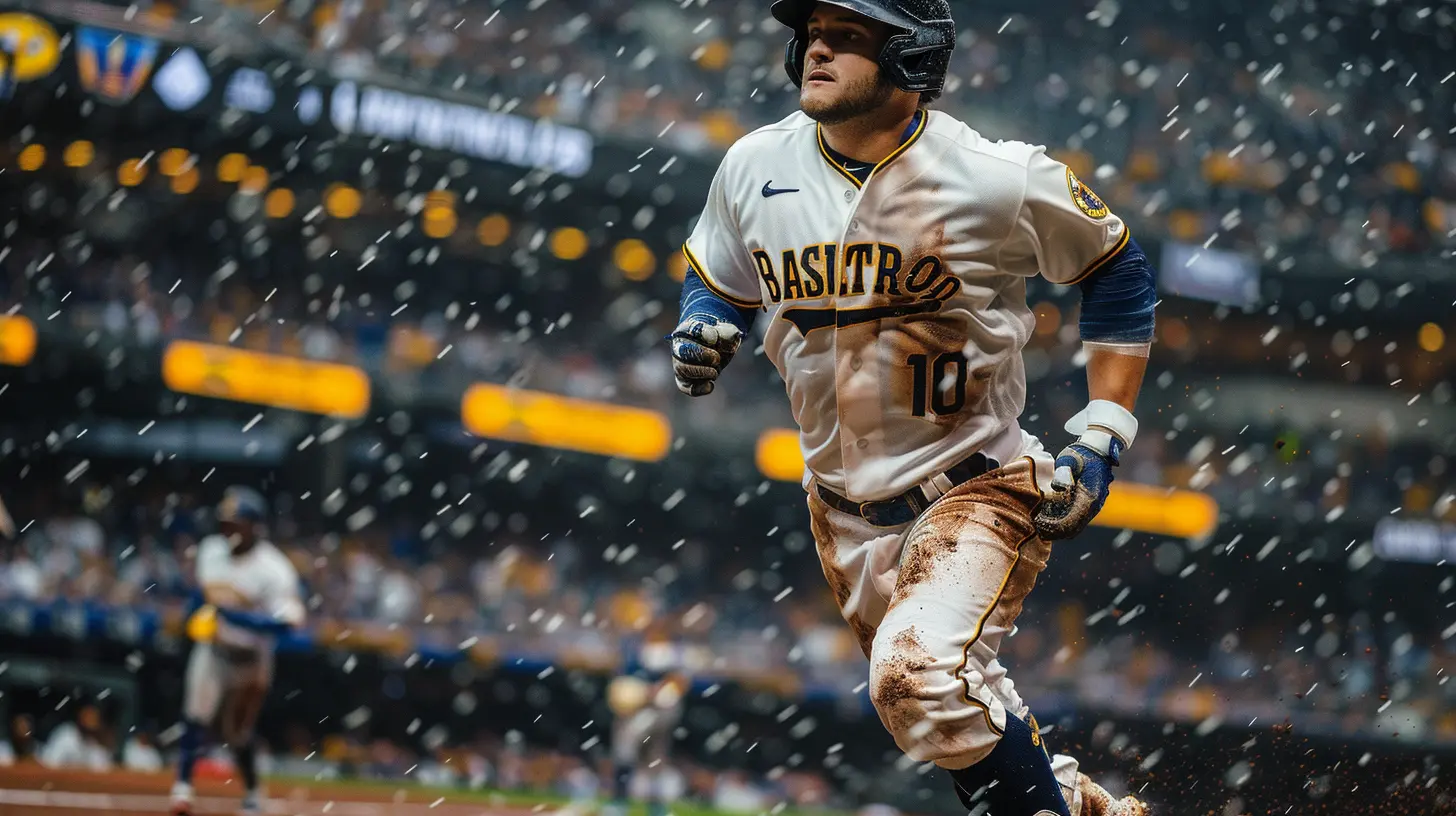
The Fragile Nature of a Sports Season
Every pro team starts the season with hope. Some are building dynasties, others just trying to avoid the cellar—but they all need one thing: health. A single injury can throw everything off balance, especially if it’s a key player.Think about teams built around superstars. If that one player goes down, suddenly everyone else has to step up. And let's be real—it's not always that easy. Depth matters, but in competitive leagues, depth can run thin fast.
When a team loses a starting quarterback, a power-hitting outfielder, or a top-line center to injury, they often find themselves in panic mode. That’s when the phones start ringing.
Why Midseason Trades Are So High-Stakes
Midseason trades are like trying to fix a flat tire during a race. You’re already on the road, the engine’s hot, and you’re losing ground every second. Teams don’t just make trades for fun—they do it because the house is on fire.Injuries force general managers to think on their feet. They have to weigh:
- Short-term needs vs. long-term goals
- Salary cap constraints
- Team chemistry
- Player availability on the market
And all this has to happen while half the season is still going on. Sound stressful? Yeah, it is.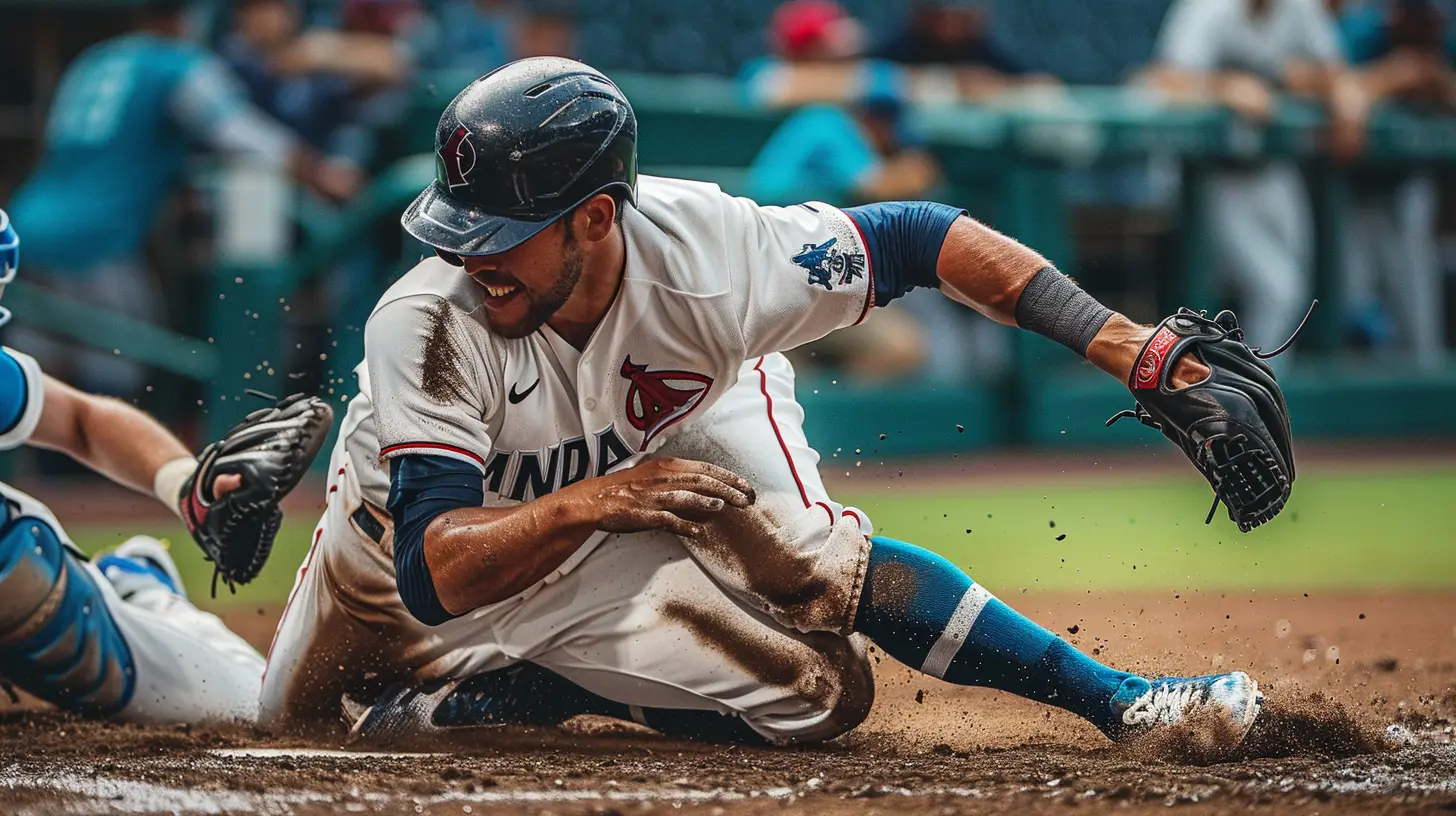
Real-World Examples: Injuries Sparking Major Moves
Let’s look at some real sports stories where injuries led to major shakeups.1. NBA: DeMarcus Cousins to the Pelicans
Back in 2017, the New Orleans Pelicans were in a tight spot. Anthony Davis was carrying the squad, but the team was hovering around .500. Then, injuries started to pile up. Their front office knew they needed help to stay playoff-relevant.Boom—midseason trade! The Pelicans sent multiple assets to the Sacramento Kings for DeMarcus Cousins in a blockbuster deal. While the fit was debatable, the urgency came from the injury-depleted roster. They couldn’t afford a slow fade.
2. NFL: Jimmy Garoppolo to the 49ers
In 2017, the San Francisco 49ers were staring down the barrel of another lost season. Their quarterbacks were dropping like flies due to injuries. Cue the New England Patriots, who had Jimmy Garoppolo riding the bench behind Tom Brady.The Niners pulled the trigger midseason, not because they were playoff-bound, but because injuries had created chaos. Garoppolo gave them hope and stability, and the move paid off—at least in the short term.
3. NHL: Matt Duchene to the Senators
Injuries can also impact timing. The Ottawa Senators, needing help at center after a couple of key injuries, made a high-cost trade for Matt Duchene. While the trade didn’t ultimately pan out as they hoped, it was clearly sparked by midseason roster gaps caused by health issues.
The Emotional & Psychological Side
We can’t ignore the human side of the game. Injuries don’t just mess up stat sheets—they fracture team morale. When your leader goes down, it’s like losing a general in battle. Players feel it. Coaches scramble to adjust game plans. The rhythm of the season breaks.That emotional toll sometimes forces executives to act sooner rather than later. A well-timed trade can bring fresh energy to a locker room and tell the team, “We’re not giving up.”
But it’s risky too. Bringing in a new face can throw off chemistry. Not all trades click. Sometimes, it’s a band-aid on a broken bone.
How Front Offices Stay Ready for the Worst
If there’s one thing general managers have learned, it’s to expect the unexpected. Injury reports can change the entire landscape of a season. That’s why successful teams scout other rosters constantly. They keep tabs on potential trade candidates—not just big names, but role players who could step up in an emergency.Think of it like having an emergency contact list for your roster. When an injury hits, the front office doesn’t have time to start from scratch. They need to already know who’s available, how much they cost, and whether they’ll fit.
Salary Cap Limbo
Here’s where things really get tricky—money. In leagues with salary caps, injuries can be a nightmare. Not only do you lose a player, but you also may not have the financial space to replace them unless that player is placed on long-term injured reserve.Some teams get creative. They move contracts around, include draft picks to sweeten deals, or even involve multiple teams to make the math work. These are the kinds of gymnastics that happen behind the scenes, and you only see the final headline: “Team A trades for Player B.”
You don’t see the sleepless nights, the cap calculations, or the number of times someone said, “We might regret this.”
The Deadline Dilemma
Most leagues have a trade deadline, and injuries that occur close to that date often cause a flurry of activity. The urgency is real. There's no tomorrow after the deadline. It's now or never.If a team believes it’s one piece away and a star goes down, that deadline becomes a ticking clock. Will they pull the trigger or roll the dice with the players they have?
It’s high drama, and fans live for it.
Fans, Media, and Market Pressure
Let’s be honest—pressure doesn’t just come from inside the locker room. It comes from the outside too. Fans want action, especially if a team loses a star player. Media starts pushing trade rumors. Talk shows debate potential moves around the clock.Front offices live in this pressure cooker. Sometimes, a trade isn’t just about fixing a hole—it’s about reassuring a fanbase.
“Oh, you lost your point guard? Here’s a new one by Thursday.”
That’s not always the best long-term strategy, but sports is a results game. And in the age of social media, no GM wants to look like a deer in headlights.
Is the Risk Worth It?
Midseason trades caused by injuries involve risk. Huge risk. You could mortgage your future for a shot at surviving the present. It’s a delicate game of poker: raise, fold, or go all in.Some trades work wonders. Others haunt teams for years.
But one thing’s for sure—injuries force teams to make decisions faster and under more stress than they’d like. That’s how headlines get made.
When Standing Pat Makes Sense
Not every injury leads to a trade. Sometimes, a team decides to ride it out. Maybe they believe in the next guy up. Maybe the market’s too dry. Or maybe they don’t want to panic.This strategy can work too. Some of the best stories in sports come from unknown players stepping up during a crisis. It’s the classic underdog arc—and who doesn’t love that?
But again, that decision not to trade is usually just as calculated as any blockbuster move.
Final Thoughts
Midseason trades are one of the most unpredictable, dramatic parts of professional sports, and injuries are often the spark that lights the fire. Whether it's a twisted ankle, a torn ACL, or a broken wrist, a single health issue can send an entire franchise into overdrive.General managers don’t want to trade in the middle of the season. But when injuries strike, it’s not about want—it’s about need. That’s when deals get done, prospects get moved, and new heroes get their shot.
So the next time you see a midseason trade alert pop up on your phone, ask yourself: who just got hurt?
Because behind every slammed trade button is a team trying to stay afloat in the storm.
all images in this post were generated using AI tools
Category:
Player TradesAuthor:

Easton Simmons
Discussion
rate this article
1 comments
Ranger Carey
Injuries can dramatically shift team dynamics, forcing managers to make quick decisions on trades. These midseason adjustments often reveal both the depth of a roster and the strategic foresight of leadership in adapting to challenges.
July 1, 2026 at 10:34 AM
Easton Simmons
You're right, injuries can really test a team's depth and strategy. It's fascinating to see how managers respond and adjust their plans on the fly.