The Night the Underdogs Made History in 2027
24 April 2026
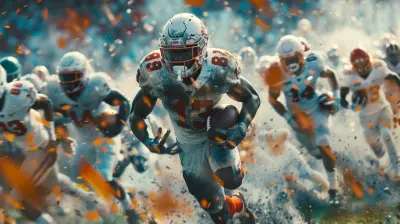
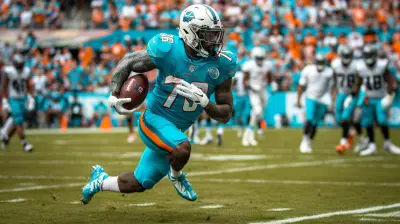
Let me paint you a picture. The year is 2027. The air is thick with tension, the kind that makes your skin prickle and your heart pound like a tribal drum. The stadium lights cut through the evening haze like searchlights over a prison yard. And on that hallowed ground, a team of misfits, cast-offs, and forgotten men did the unthinkable. They didn’t just win a game. They rewrote the script. They tore up the rulebook. And they made the entire world stop, stare, and believe in magic again.
You know the feeling, right? That moment when you’re watching a match, and your gut tells you it’s over. The odds are stacked. The pundits have already written the obituary. The commentators are talking about the other team’s dynasty like it’s a done deal. And then… something shifts. A spark. A crack in the armor. A whisper of chaos. That, my friend, was the night of the 2027 championship final. Let me take you there.
The Setup: David vs. Goliath, But Goliath Brought a Tank
Before we dive into the chaos, let’s set the stage. The favorites were the Gladiators—a team so stacked with talent, they looked like a video game created on “easy mode.” They had the MVP, the golden boot winner, the defensive wall that hadn’t been breached in twelve games. Their coach was a tactical genius, a man who could read the game like a fortune teller reads tea leaves. They were expected to win by a landslide. The betting odds? 10-to-1 against the underdogs. The media coverage? A love letter to the Gladiators. The underdogs? They were the Phoenix Rising—a squad cobbled together from mid-season trades, injured reserves, and raw rookies who had more heart than pedigree.Now, I’m not saying the Phoenix Rising were bad. They were scrappy. They were hungry. But they were also a team that had lost six of their last ten games. Their star player was a 34-year-old veteran with a bad knee and a chip on his shoulder. Their goalkeeper was a kid fresh out of the academy, barely old enough to buy a beer. Their captain? A guy who had been cut from three other teams before landing here. They were the sports equivalent of a junkyard dog—ugly, loud, and willing to bite anything that moved.
But here’s the thing about junkyard dogs: they don’t know they’re supposed to lose.
The First Half: A Slow Bleed
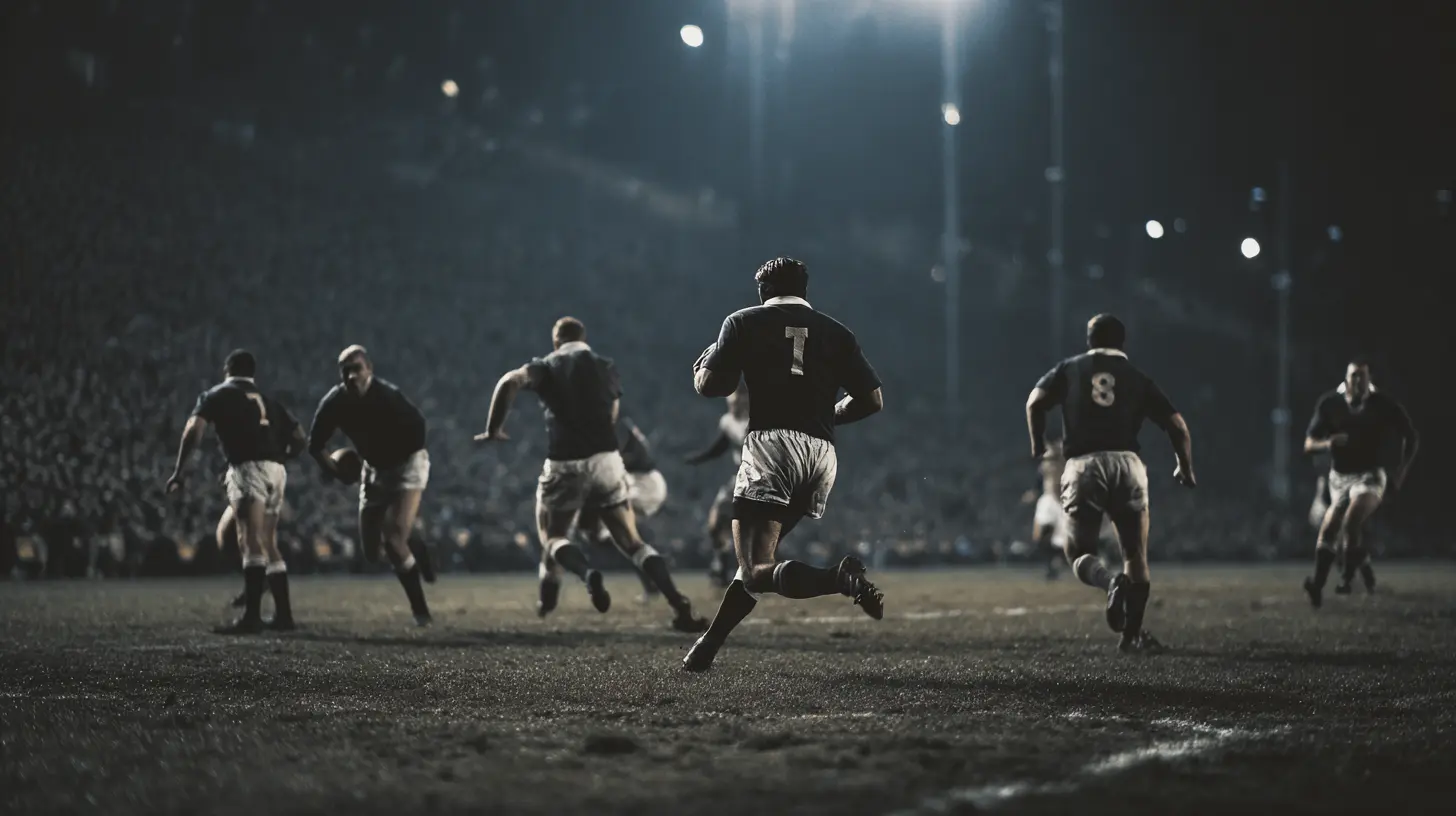
The match started exactly how everyone predicted. The Gladiators came out swinging, like a boxer who knows he can knock you out in the first round. Within fifteen minutes, they had 70% possession. They were passing through the Phoenix defense like a hot knife through butter. The crowd—mostly Gladiators fans—were already cheering, waving flags, and cracking open celebratory drinks.Then it happened. The first goal. A beautiful, surgical strike from the Gladiators’ star midfielder. The ball curved like a boomerang, slipped past the young goalkeeper’s fingertips, and nestled into the top corner. 1-0. The stadium erupted. The Phoenix Rising players looked at each other, their faces a mix of despair and defiance. I remember thinking, “Here we go again. Another blowout.”
But then something weird happened. The Phoenix didn’t collapse. They didn’t hang their heads. Instead, they started to fight. Not like a team trying to win, but like a team trying to survive. They started pressing harder. They started making tackles that were just a little too aggressive. They started taking risks. And slowly, painfully, they started to claw back into the game.
By the 30th minute, the Gladiators’ rhythm was broken. Their passes were sloppy. Their runs were predictable. The Phoenix goalkeeper, that kid, made a save that defied physics—a one-handed dive that sent the ball skimming over the crossbar. The crowd gasped. The commentators stammered. And for the first time all night, the underdogs smiled.
The Turning Point: When the Tide Turned
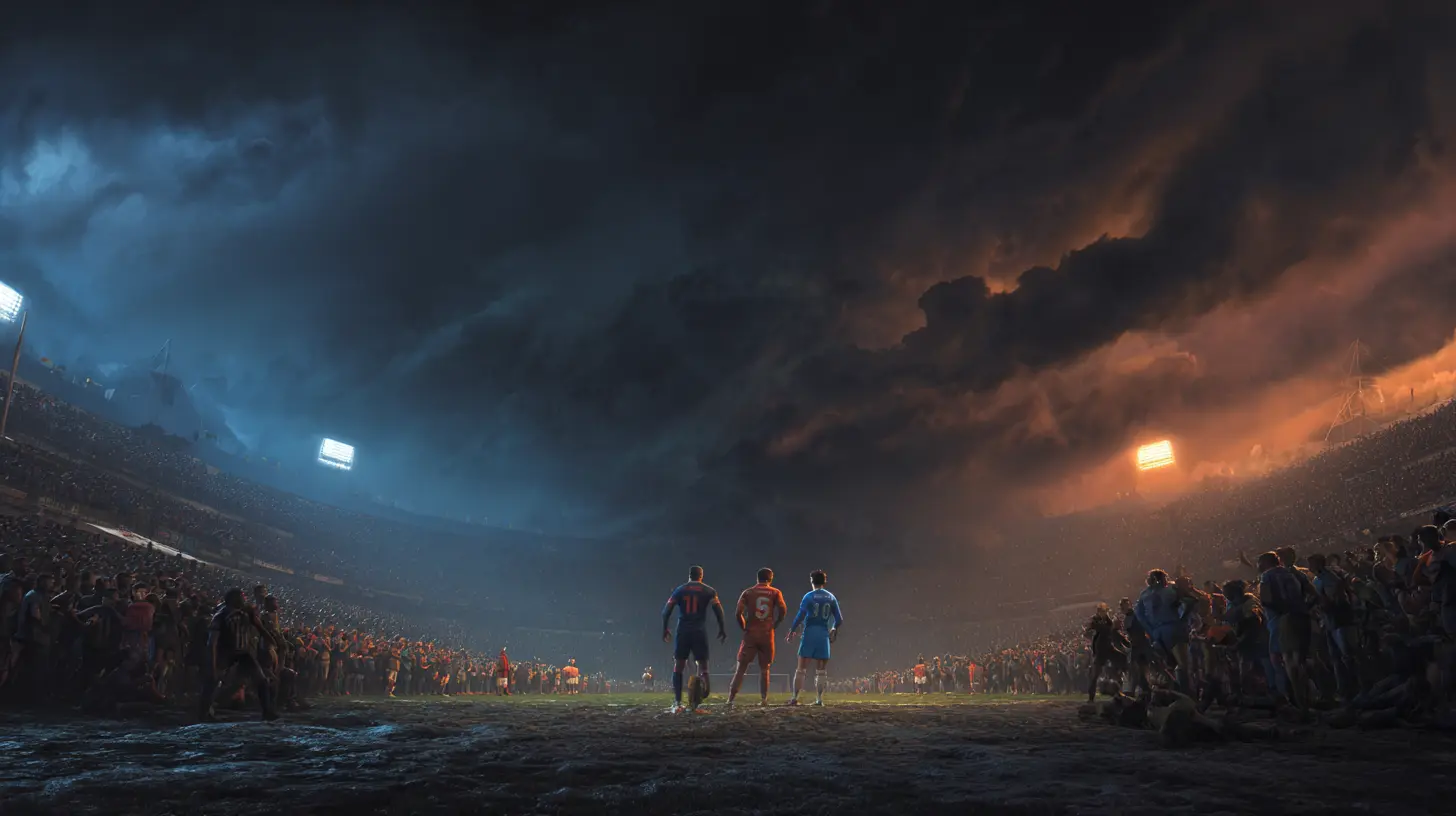
The second half was a different animal. It was like someone had flipped a switch. The Phoenix Rising came out of the tunnel with fire in their eyes. They looked like a team that had been told they were dead, and they decided to haunt the living.In the 55th minute, the veteran with the bad knee—let’s call him “Old Man River”—picked up a loose ball near midfield. He could have passed it. He should have passed it. But instead, he did something insane. He started running. He hobbled, really, his knee screaming in protest, but he ran. He dribbled past one defender, then another, then a third. The Gladiators’ defense parted like the Red Sea. And then, from 25 yards out, he let fly.
The ball didn’t just go in. It exploded into the net. The goalkeeper didn’t even move. He just watched it, like a man watching a meteor streak across the sky. 1-1. The stadium went silent. Then, from the corner where the Phoenix fans were huddled, a roar erupted. It was the sound of hope.
From that moment on, the game became a war. The Gladiators panicked. Their coach started shouting, gesturing wildly, his tactical genius crumbling into desperation. They committed fouls. They got yellow cards. They started arguing with each other. The Phoenix, meanwhile, were feeding off the chaos. They were like sharks in a feeding frenzy—every loose ball was theirs, every tackle was a statement.
The Final Act: A Moment of Pure Madness
The clock ticked down. 75 minutes. 80 minutes. 85 minutes. Extra time loomed. The Gladiators pushed forward, trying to reclaim their destiny. They had a free kick in a dangerous spot. Their star player stepped up, chest puffed out, confidence oozing from every pore. He struck the ball perfectly—low, hard, into the corner.But the kid goalkeeper? He read it like a book. He dove, fingertips grazing the ball, sending it wide. The Phoenix fans screamed. The Gladiators fans groaned. And then, in the 88th minute, the unthinkable happened.
A long ball, aimless and desperate, was hoofed upfield. The Phoenix striker—a guy who had scored only three goals all season—chased it down. He was up against the Gladiators’ best defender, a man mountain with a reputation for being unbeatable. But the striker didn’t care. He used his body, shielding the ball, his legs burning, his lungs screaming. He turned, twisted, and then, with a flick of his foot, he chipped the ball over the onrushing goalkeeper.
Time slowed down. The ball hung in the air like a question mark. And then it dropped, softly, like a feather, into the empty net. 2-1. The underdogs had done it.
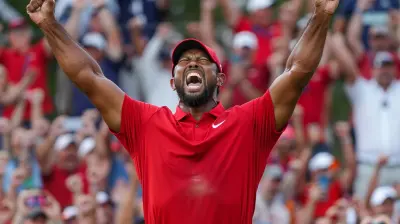
The final whistle blew seconds later. The Phoenix Rising players collapsed to the ground, crying, laughing, hugging each other like survivors of a shipwreck. The Gladiators stood frozen, their dynasty shattered. The stadium was a strange mix of silence and chaos. And in that moment, the world realized something profound: underdogs don’t just win games. They change the narrative.
Why This Night Matters: More Than Just a Game
You might be thinking, “Okay, it’s a sports story. Cool. But why does it matter?” Because, my friend, this wasn’t just about football, or basketball, or whatever sport you imagine. It was about the human spirit. It was about the idea that no matter how many times life tells you you’re not good enough, you can still find a way to prove it wrong.Think about it. The Phoenix Rising were the embodiment of every person who has ever been counted out. The kid with the bad grades. The entrepreneur who failed three times. The artist who was told their work was “nice, but not marketable.” The single parent working two jobs. They were all there, on that field, in those jerseys, fighting against a world that said they couldn’t.
And the Gladiators? They weren’t villains. They were just the ones who had everything. Talent. Resources. Luck. But even they learned a lesson that night: greatness isn’t guaranteed. It’s earned, every single day, with sweat and grit and a refusal to give up.
The Aftermath: Legends Are Born in the Dark
The next day, the sports world was in shock. Headlines screamed: “The Impossible Happens.” “Phoenix Rising: From Jokes to Legends.” The veteran with the bad knee became a folk hero. The kid goalkeeper got a movie offer. The coach, a quiet man who had never won anything, was suddenly the most sought-after tactician in the league.But the real legacy of that night isn’t the trophy. It’s the story. It’s the story that will be told to kids for generations. It’s the story that will be whispered in locker rooms when a team is down by ten points. It’s the story that will be used as a metaphor for every uphill battle, every long shot, every dream that seems too big.
Because here’s the truth: history isn’t written by the strong. It’s written by the stubborn. The ones who refuse to bend. The ones who look at a 10-to-1 odds and say, “So you’re telling me there’s a chance.”
What We Can Learn From the 2027 Underdogs
So, what’s the takeaway? First, never underestimate the power of a team that loves each other. The Phoenix Rising didn’t win because they were more talented. They won because they trusted each other. They fought for each other. They were a family, not a collection of stars.Second, momentum is a fickle beast. The Gladiators had it in the first half, but they lost it. Why? Because they got complacent. They thought the game was over. The Phoenix, on the other hand, treated every minute like it was their last. They didn’t panic. They didn’t quit. They just kept grinding.
And finally, remember that failure is just a stepping stone. Every player on that Phoenix roster had a story of rejection. The striker had been cut from his youth team. The veteran had been told to retire. The goalkeeper had been benched for half the season. But they used those scars as armor. They turned their pain into power.
The Final Whistle
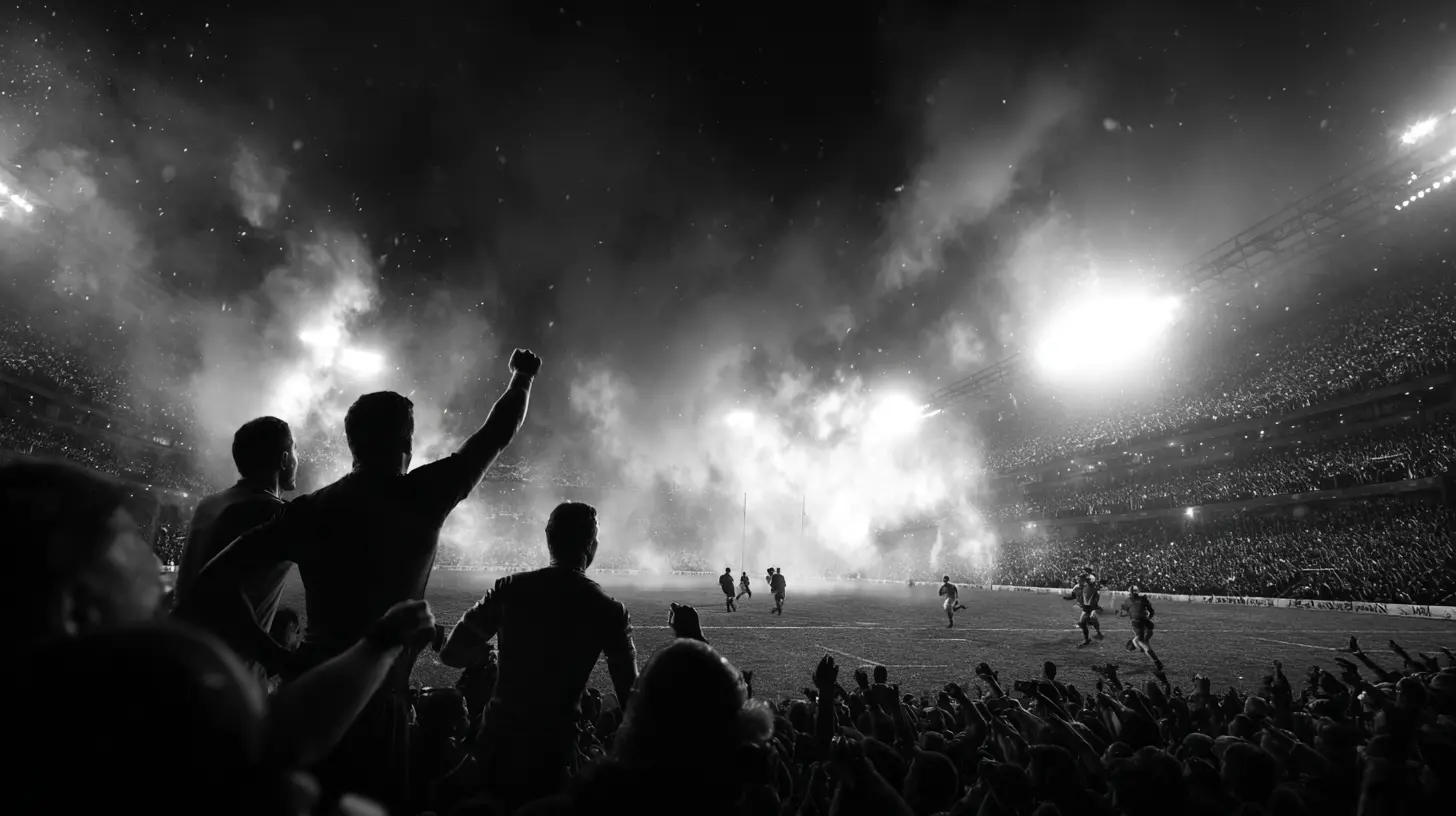
As I write this, I can still hear the echoes of that night. The roar of the crowd. The thud of the ball hitting the net. The sound of a dream becoming reality. It’s a sound that never gets old. It’s a sound that reminds us why we love sports in the first place.So, the next time someone tells you that you can’t do something, that the odds are too high, that the mountain is too steep, just remember: the night the underdogs made history in 2027. Remember the Phoenix Rising. Remember that a junkyard dog can still bite. And then go out there and prove them wrong.
Because if a bunch of misfits on a cold night in 2027 can change the world, what’s stopping you?
all images in this post were generated using AI tools
Category:
Historic MatchesAuthor:

Easton Simmons
Discussion
rate this article
2 comments
Amy Perry
What a thrilling night! The underdogs showcased incredible determination and skill, proving that anything is possible in sports. Their victory will be remembered as a true testament to hard work and perseverance. Amazing!
August 13, 2026 at 4:37 AM
Easton Simmons
I couldn't agree more! That night was unforgettable, and the underdogs really showed what true grit looks like. Their victory is inspiring.
Niva Lee
That night was a powerful reminder of resilience and determination; underdogs truly can change the game.
April 25, 2026 at 10:41 AM
Easton Simmons
Absolutely! That night showed the true spirit of underdogs and their ability to rise above challenges. It was unforgettable.