The Link Between Physical Activity and Academic Performance
9 November 2026
The relationship between physical activity and academic performance has garnered significant attention in recent years. Educators, parents, and researchers alike are increasingly recognizing that a child's physical health can have profound effects on their cognitive abilities, emotional well-being, and overall academic success. This article delves into the intricacies of this link, exploring the mechanisms behind it, practical implications, and best practices for integrating physical activity into educational settings.
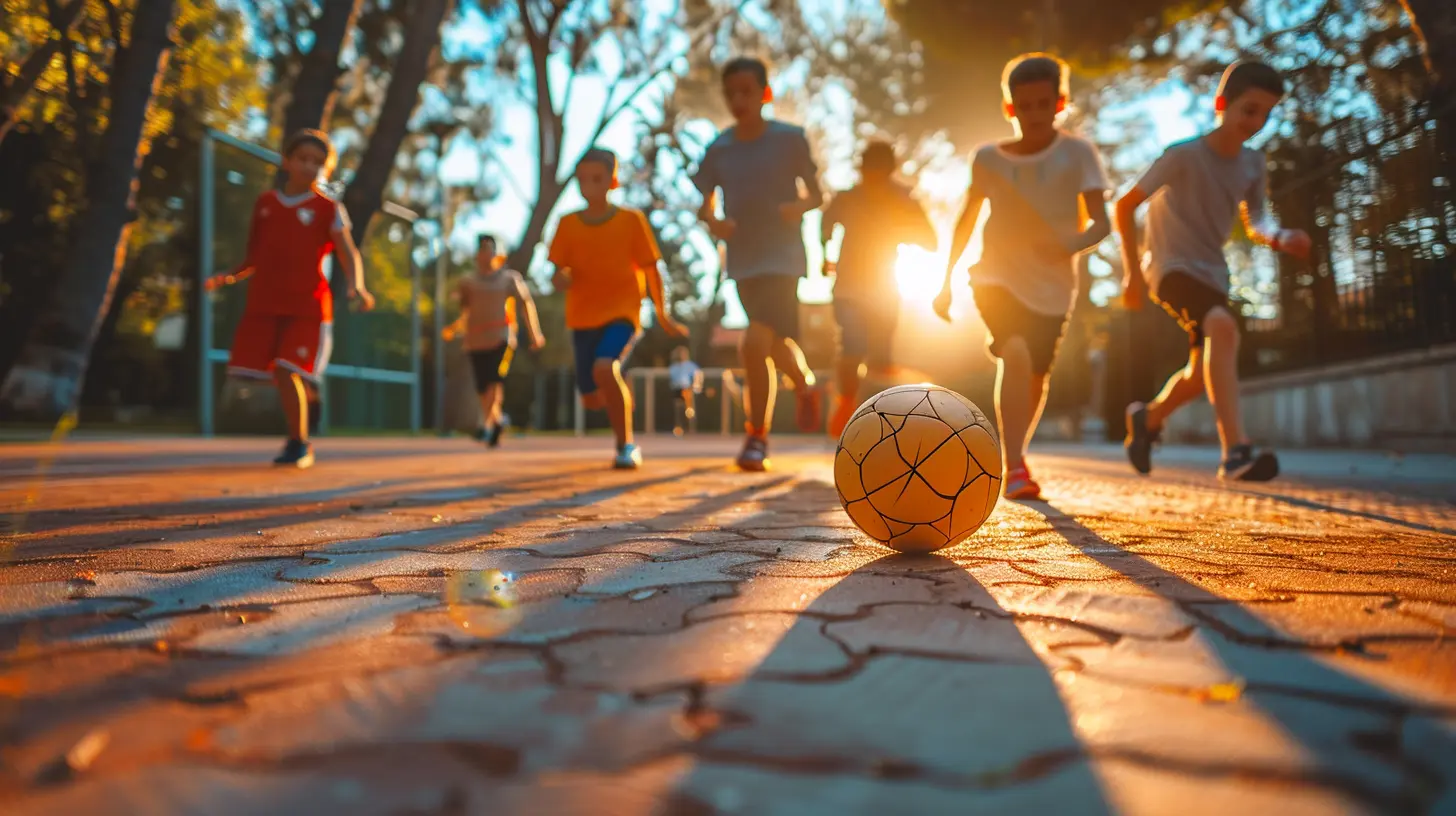
Understanding the Connection
The Science Behind Physical Activity and Learning
Physical activity is not just about keeping fit; it plays a crucial role in brain function. When students engage in physical exercise, their bodies release endorphins, which can improve mood and reduce stress. exercise increases blood flow to the brain, which enhances oxygen and nutrient delivery. This process can lead to improved focus, memory, and overall cognitive performance.Research has shown that physical activity stimulates the production of brain-derived neurotrophic factor (BDNF), a protein that supports neuron growth and survival. Higher levels of BDNF are associated with improved learning and memory. Thus, the biological mechanisms suggest a strong correlation between being physically active and excelling academically.
The Role of Exercise in Reducing Stress and Anxiety
Academic pressures can lead to heightened stress and anxiety among students. Regular physical activity serves as an effective stress reliever. Exercise can lower cortisol levels, the hormone associated with stress, while simultaneously boosting serotonin and dopamine, neurotransmitters that enhance mood. When students are less stressed, they are more likely to engage positively in their studies.Impact on Sleep Quality
Quality sleep is essential for cognitive function and academic performance. Regular physical activity has been linked to improved sleep patterns. Students who exercise tend to fall asleep faster and enjoy deeper sleep, which is crucial for memory consolidation and overall mental clarity. A well-rested student is better equipped to absorb information and perform well in school.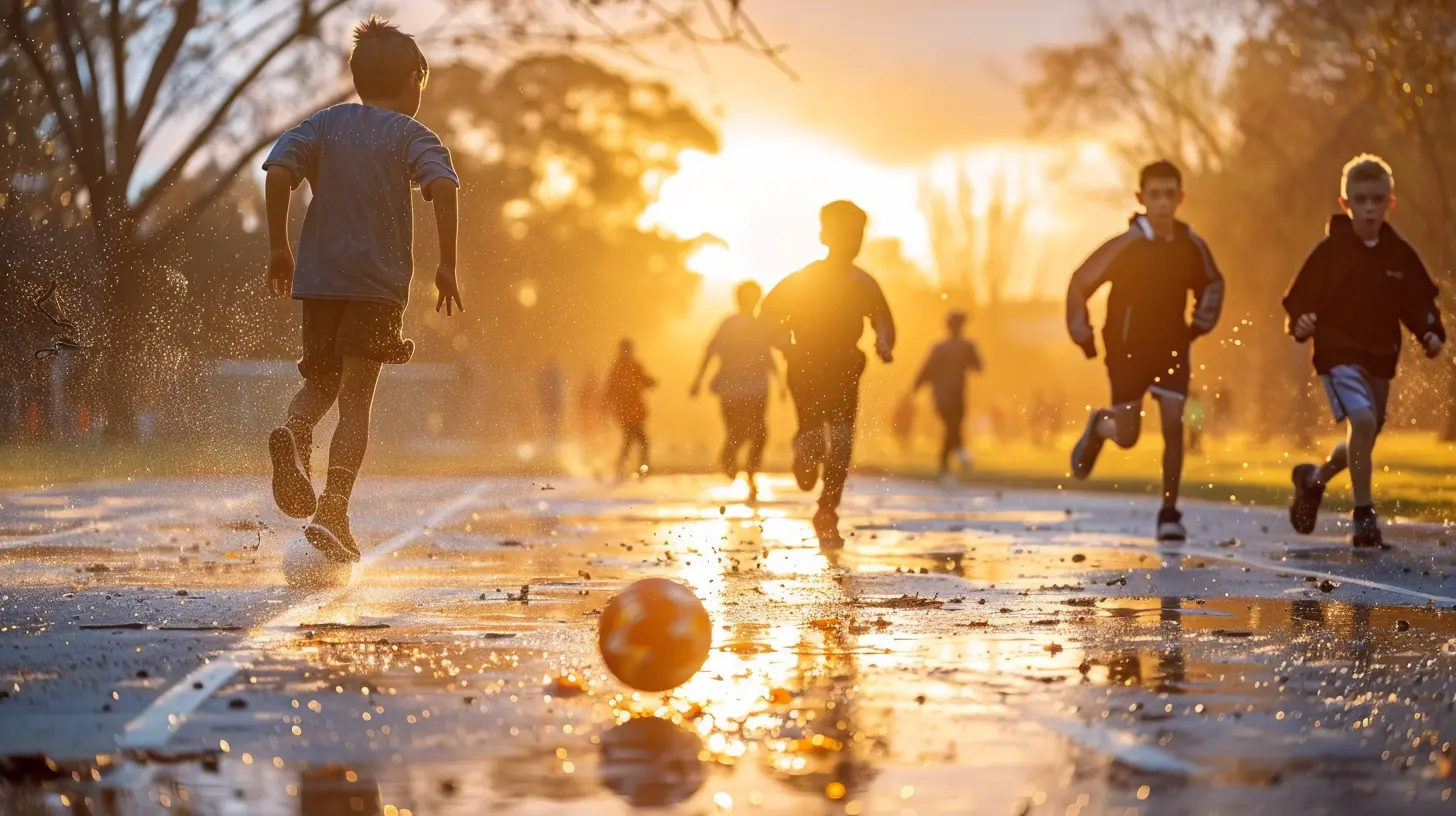
Practical Implications for Schools
Integrating Physical Activity into School Curricula
Many schools have begun to recognize the importance of physical activity in enhancing academic performance. This can be achieved through various means:1. Physical Education Classes: Schools should prioritize quality physical education programs that not only focus on sports but also teach the importance of lifelong fitness.
2. Active Learning Environments: Incorporating movement into the classroom through activities like standing desks, movement breaks, or even walking discussions can help keep students engaged.
3. Extracurricular Activities: Encouraging participation in sports and other physical activities outside of the classroom can foster a sense of community and improve physical health.
Best Practices for Implementing Physical Activity
To effectively integrate physical activity into the school environment, consider the following best practices:- Start Small: Schools can begin by introducing short physical activity breaks during classes. Even five to ten minutes of stretching or light exercise can rejuvenate students and enhance their focus.
- Create a Culture of Activity: Encourage a school-wide culture that promotes physical activity. This can involve hosting sports events, creating walking clubs, or implementing daily challenges that encourage movement.
- Involve Parents and Community: Engaging parents and community members in physical activities can create a supportive environment for students. Family sports days or community fitness events can foster collaboration and excitement around physical fitness.
Measuring Impact
To understand the effectiveness of physical activity initiatives, schools should implement methods for assessing their impact on academic performance. This can include tracking grades, attendance, and behavioral changes before and after introducing new physical activity programs. Surveys and feedback from students and teachers can also provide valuable insights.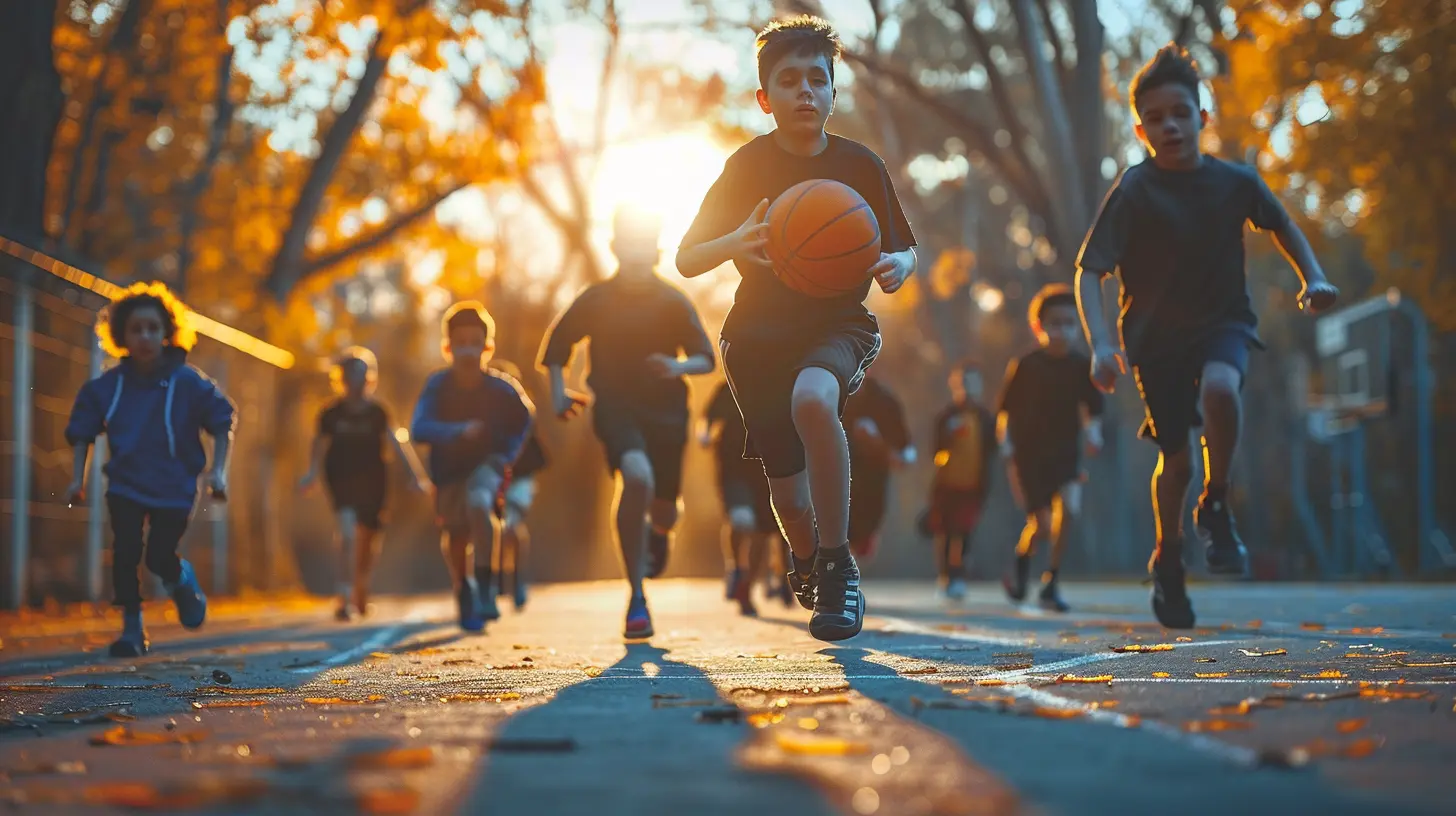
Common Misconceptions
The Myth of Time Constraints
One common misconception is that incorporating physical activity into the school day takes away valuable time from academic subjects. However, studies indicate that the benefits of physical activity often outweigh the time spent. In fact, students who are physically active tend to perform better academically, potentially making up for any lost instructional time.Overemphasis on Competitive Sports
While competitive sports can be beneficial, they are not the only way to promote physical activity in schools. Non-competitive activities, such as dance, yoga, or simple play, can also yield significant benefits. It is important to create an inclusive environment where all students can participate, regardless of their athletic abilities.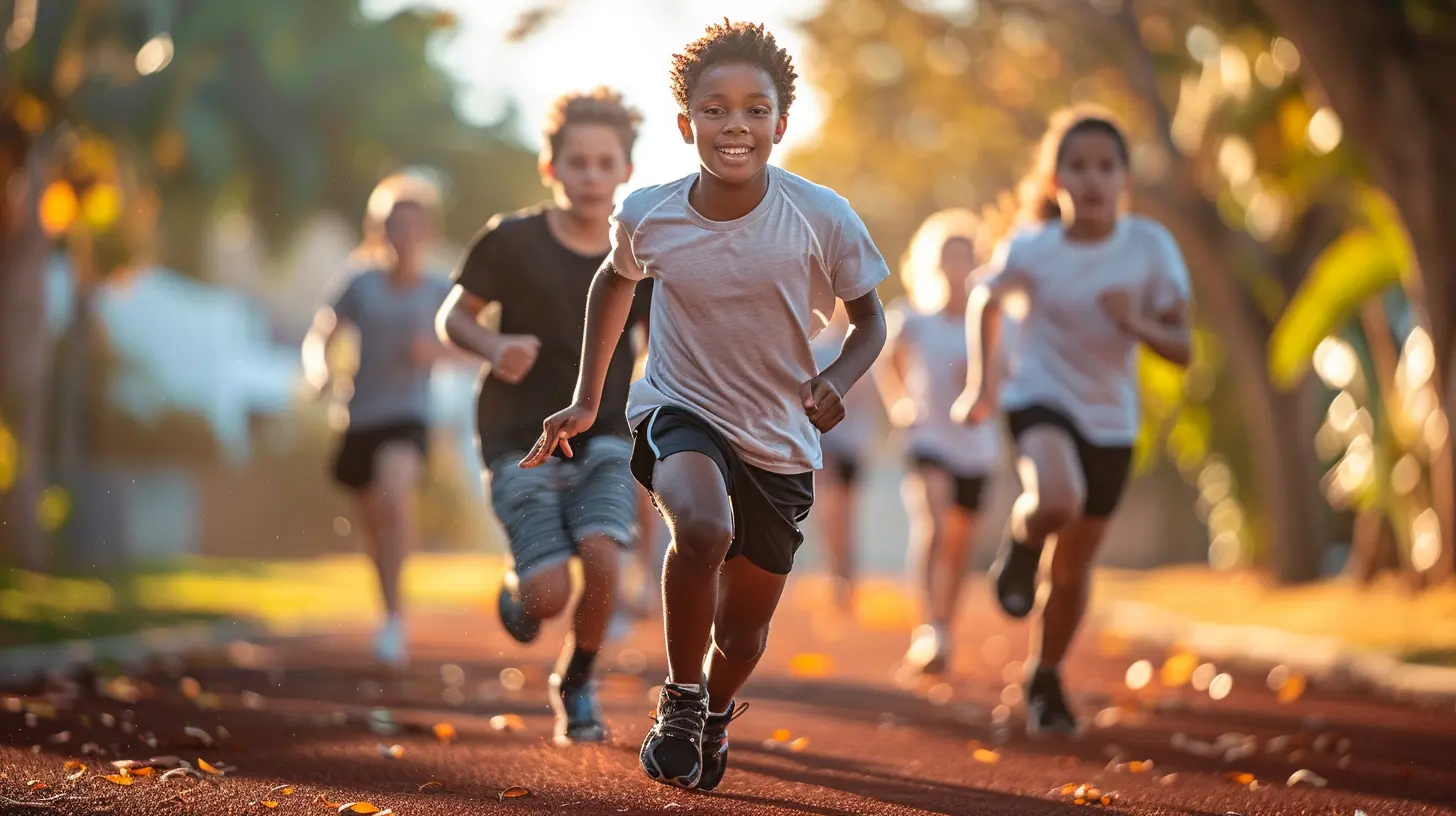
Real-World Examples
Case Study: The Take Action Schools Program
The Take Action Schools program in the United States is a prime example of successfully integrating physical activity into the school curriculum. This initiative focuses on increasing physical activity levels among students through structured programs and activities. Schools that have adopted this model report improved student performance, reduced behavioral issues, and enhanced overall student well-being.Global Perspectives
Countries like Finland have long recognized the importance of physical activity in education. Finnish schools incorporate regular breaks for physical activity throughout the day, leading to consistently high academic performance and student satisfaction.Recommendations for Parents
Encouraging Physical Activity at Home
Parents play a critical role in promoting physical activity outside of school. Here are some effective strategies:- Lead by Example: Parents should model an active lifestyle. Family outings that include physical activity, such as hiking, biking, or playing sports together, can instill healthy habits in children.
- Limit Screen Time: Reducing the amount of time children spend in front of screens can encourage them to engage in more physical activities. Setting limits on screen time and providing alternative options can promote a more active lifestyle.
- Encourage Participation in Sports or Clubs: Supporting children in joining sports teams or physical activity clubs can help them develop skills, build friendships, and stay active.
Balancing Academics and Activity
Parents should also help their children find a balance between academic responsibilities and physical activity. Establishing a routine that includes time for homework, physical activity, and relaxation can contribute to a well-rounded lifestyle.
Conclusion
The link between physical activity and academic performance is strong and multifaceted. Understanding this connection can help educators, parents, and students realize the value of integrating physical activity into daily routines. By fostering an environment that encourages movement, we can enhance not only the physical health of students but also their academic success. As we continue to explore this vital relationship, it is crucial to remain open to innovative approaches that can further support the well-being of students in a holistic manner.
all images in this post were generated using AI tools
Category:
Sports And EducationAuthor:

Easton Simmons