The Evolution of Storytelling in Sports Documentaries
18 May 2026
Sports documentaries have always been a powerful way to showcase the drama, excitement, and emotion that comes with the world of sports. But, like everything else in entertainment, sports documentaries have evolved over time. They’ve gone from a one-dimensional retelling of events to something much more immersive, personal, and even artistic. Today, they aren't just about showing you what happened; they're about making you feel connected to the stories behind the athletes and the sports themselves.
But how did we get here? How did sports documentaries transform from straightforward highlight reels to deeply emotional narratives? Let’s dive into the evolution of storytelling in sports documentaries and see how filmmakers have changed the game.

The Early Days – Just the Facts
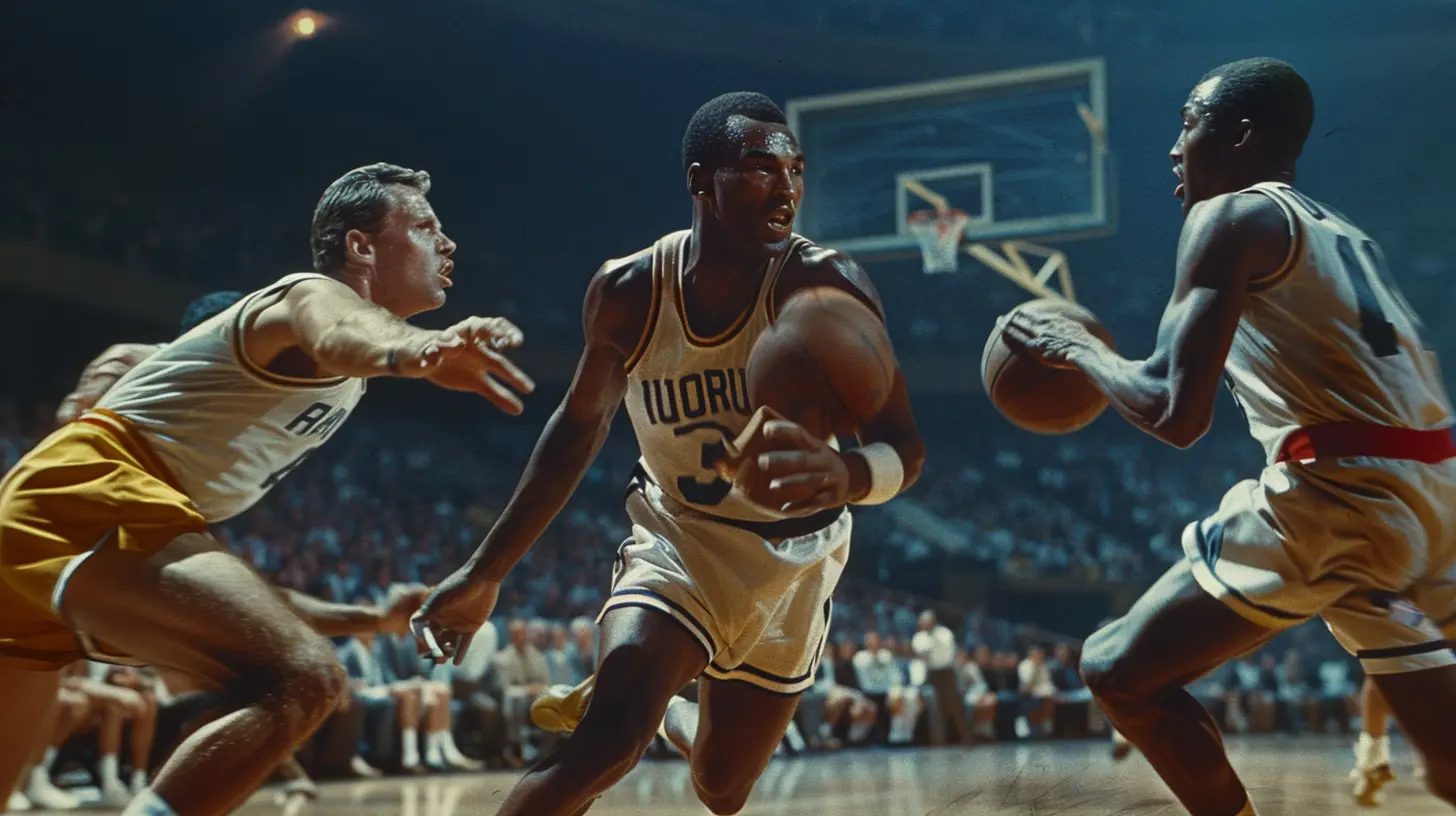
In the early days of sports documentaries, the focus was simple: tell the story of a game, match, or athlete. These were often straightforward, fact-driven pieces. It was all about the stats, the plays, and the outcomes. The idea was to document the event, almost like a historical record. Think of it as the "Wikipedia version" of sports documentaries.For example, back in the 1950s and 60s, most sports documentaries were pretty dry by today’s standards. They were created primarily for educational purposes or for fans who wanted to relive the excitement of a major sporting event. These films were informative but lacked the emotional depth that today’s sports documentaries are known for. They were more like extended news reports than stories with heart and soul.
It was fine for the time, but let’s be honest—there was something missing.
The Rise of the Hero’s Journey
As the years went on, filmmakers started to realize something: sports are about more than just stats and scores. At the heart of every game or competition is a human story—a journey filled with struggle, triumph, and sometimes heartbreak. This realization transformed sports documentaries entirely.Enter the "hero’s journey" style of storytelling, which took inspiration from classic literature and myth. This approach focuses on the personal journey of an athlete or team, highlighting their challenges, victories, and setbacks. This shift allowed viewers to connect emotionally with the subjects of the documentary, making the stories far more engaging and relatable.
The 1994 documentary Hoop Dreams is a perfect example of this shift in storytelling. Instead of just focusing on basketball games, the film follows two young athletes from Chicago as they chase their dream of playing professional basketball. The documentary dives deep into their personal lives, exploring the sacrifices, challenges, and obstacles they face along the way. Hoop Dreams isn’t just about basketball; it’s about life, struggle, and the pursuit of greatness. That’s the power of the hero’s journey in sports documentaries.

Making It Personal – The Role of Intimacy
As sports documentaries began to focus more on individual stories, filmmakers started to dig deeper into the personal lives of athletes. This wasn’t just about showing their highlights on the field or court; it was about showing who they were as people. What challenges did they face off the field? What motivated them? What fears and insecurities were they battling?This shift toward more intimate storytelling made documentaries feel more authentic and relatable. It allowed viewers to see athletes not as untouchable superstars but as human beings with struggles just like anyone else. And that’s where the magic happens. When you can relate to someone, you become more invested in their story.
Take the 2012 documentary The Other Dream Team as an example. The film tells the story of the 1992 Lithuanian basketball team, which had just gained independence from the Soviet Union. The documentary doesn’t just focus on the team’s performance in the Olympics; it explores the personal and political struggles that the players went through leading up to the games. This kind of intimate storytelling helps viewers connect with the athletes on a deeper level.
The Power of Cinematic Storytelling
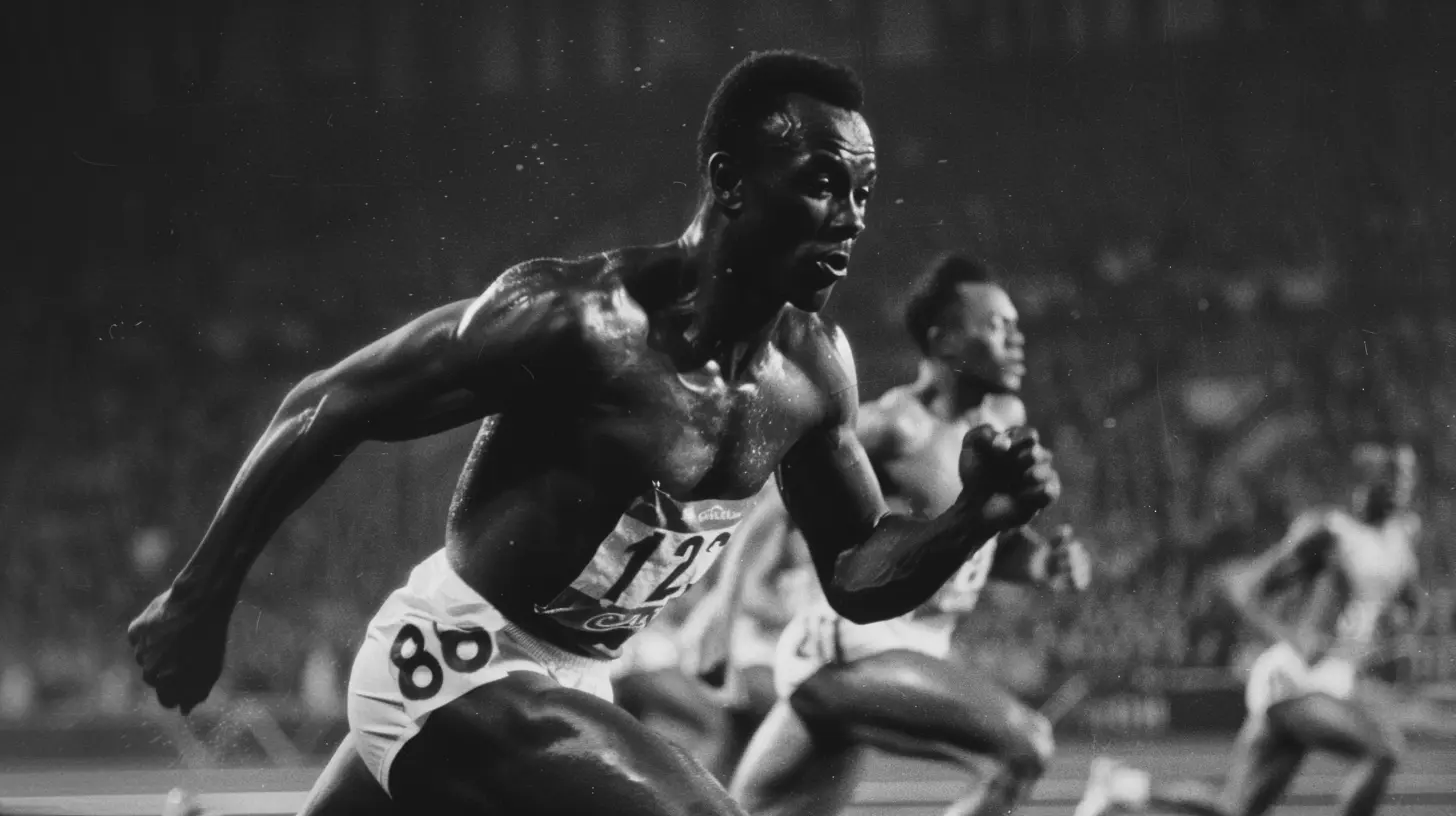
As technology advanced, sports documentaries began to look and feel more like feature films. Filmmakers started using cinematic techniques—like slow-motion shots, dramatic music, and high-quality cinematography—to enhance the storytelling experience. These techniques brought a new level of artistry to sports documentaries, making them not just informative but visually stunning.One of the most well-known examples of this is ESPN’s 30 for 30 series, which launched in 2009. The series brought together some of the best filmmakers in the world and gave them the freedom to tell sports stories in a way that was both visually and emotionally engaging. Whether it was a story about a famous athlete or a lesser-known sports tale, 30 for 30 used cinematic techniques to make the stories come alive. The use of creative camera angles, slow-motion replays, and carefully chosen soundtracks made these documentaries feel more like epic dramas than simple sports stories.
This shift toward cinematic storytelling has been a game-changer. It’s one thing to tell a good story, but when you can make it look and feel like a feature film, it takes the experience to a whole new level.
The Influence of Streaming Platforms
The rise of streaming platforms like Netflix, Amazon Prime, and ESPN+ has played a significant role in the evolution of sports documentaries. With these platforms, filmmakers have more creative freedom and a larger audience to reach. They aren't tied to traditional broadcast schedules or constrained by time limits, which allows for more in-depth storytelling.Streaming platforms also cater to a variety of tastes, which means sports documentaries don’t have to appeal to a broad audience. Instead, they can focus on niche topics or lesser-known sports stories. This has led to more diverse sports documentaries covering everything from soccer in the U.K. to street basketball in New York.
For example, Netflix’s The Last Dance, which chronicles Michael Jordan’s final season with the Chicago Bulls, took full advantage of the platform’s ability to release multiple episodes at once. The series was able to go deeper than a traditional documentary, giving fans hours of behind-the-scenes footage and interviews that painted a fuller picture of one of the greatest athletes of all time.
Streaming platforms have also allowed for more experimental formats. Some documentaries are now released as multi-part series, while others are shorter, more focused films. This flexibility has opened up endless possibilities for how sports stories can be told.
Expanding the Narrative – Social Issues in Sports
Another significant shift in the world of sports documentaries is the focus on social issues. In the past, most sports documentaries shied away from controversial topics like race, politics, or inequality. Today, however, many filmmakers are using sports as a lens to explore larger societal issues.This shift has brought a new layer of depth to sports documentaries. It’s no longer just about the game—it’s about what the game represents in the context of the world at large. These documentaries aren’t afraid to tackle tough subjects, and that makes them even more powerful.
Take O.J.: Made in America, the 2016 documentary series that explores not just O.J. Simpson’s life and career, but also the racial and social tensions in America during his rise to fame. The film goes beyond the football field and courtroom drama to examine how race, celebrity, and the media shaped the entire story.
Similarly, Athlete A, a documentary about the USA Gymnastics scandal, doesn’t just focus on the sport itself—it dives into the systemic abuse that was allowed to continue for years. These documentaries are about more than just sports; they’re about the human experience, and they don’t shy away from difficult conversations.
The Future – Where Do We Go from Here?
So, what’s next for sports documentaries? As technology continues to evolve and filmmakers push the boundaries of storytelling, the possibilities seem endless.We’re already seeing the rise of more interactive and immersive experiences. Virtual reality (VR) technology is starting to make its way into the world of sports documentaries, allowing viewers to feel like they’re actually in the game or alongside the athletes. Imagine being able to experience a documentary from the perspective of a player on the field. That’s the kind of storytelling that could be on the horizon.
Additionally, with the increasing popularity of short-form content on platforms like TikTok and Instagram, we may start to see bite-sized sports documentaries that pack a punch in just a few minutes. These would cater to audiences with shorter attention spans while still delivering powerful stories.
No matter where the future takes us, one thing is clear: sports documentaries will continue to evolve, and they’ll keep finding new ways to inspire, entertain, and connect with audiences.
Conclusion
The evolution of storytelling in sports documentaries has been nothing short of remarkable. From the early days of simple, factual recounting to today’s emotionally charged, cinematic masterpieces, sports documentaries have come a long way. They’ve become more than just entertainment—they’re a way to explore the human condition, confront social issues, and celebrate the triumphs and heartbreaks that make sports so captivating.As technology advances and filmmakers continue to push the boundaries, we can only imagine where sports documentaries will go next. But one thing is for sure: the stories will keep getting better, deeper, and more engaging.
all images in this post were generated using AI tools
Category:
Sports DocumentariesAuthor:

Easton Simmons
Discussion
rate this article
1 comments
Gavin Fields
The shift in sports documentaries from simple recaps to intricate narratives reflects broader cultural trends. By emphasizing personal stories and emotional depths, filmmakers connect viewers more deeply to athletes, transforming mere highlights into compelling tales that resonate long after the credits roll.
May 26, 2026 at 4:02 AM
Easton Simmons
You make a great point. The focus on personal narratives not only enriches the viewing experience but also highlights the human side of sports, making the stories much more relatable.