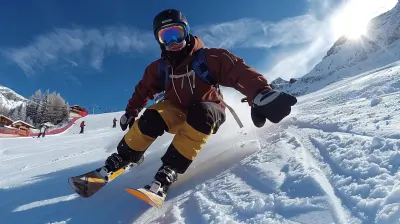
The Connection Between Skiing and Mental Wellbeing
4 November 2026
Skiing is often seen as an exhilarating sport, a challenging adventure, or a leisurely escape into nature. However, beyond the thrill of the slopes lies a profound connection between skiing and mental wellbeing. This connection encompasses various aspects of physical health, emotional resilience, social interaction, and even mindfulness, all of which contribute to a comprehensive understanding of mental health.

The Psychological Benefits of Skiing
Stress Reduction
One of the most immediate benefits of skiing is its ability to reduce stress. The combination of physical exertion and immersion in nature creates an environment where worries can temporarily dissipate. The repetitive motion of skiing, much like other forms of exercise, triggers the release of endorphins-hormones that act as natural pain relievers and mood elevators.Research suggests that even short periods of physical activity can significantly lower stress levels. On the slopes, the focus required to navigate turns, manage speed, and maintain balance forces the mind to shift away from everyday concerns. This mental shift can lead to what many athletes describe as a "flow" state, where they feel fully immersed in the moment.
Enhanced Mood and Motivation
Skiing can also lead to improved mood and increased motivation. The thrill of gliding down a mountain often ignites feelings of joy and excitement. These emotions can foster a positive feedback loop; the more enjoyable the experience, the more likely individuals are to engage in skiing regularly.skiing in a group can amplify these benefits. Social interactions, whether they are friendly competitions or shared laughter over a fall, can strengthen bonds and provide a support system. The shared experience of skiing fosters a sense of community, which is vital for emotional wellbeing.
Building Resilience
The challenges presented by skiing can also enhance resilience. Confronting fears, such as the initial anxiety of descending a steep slope, teaches individuals to face and overcome obstacles. This practice can translate to everyday life, where the skills developed on the mountain-determination, patience, and problem-solving-can help in managing stressors off the slopes.When skiers push their limits, they learn to navigate discomfort and uncertainty. This not only builds confidence but also reinforces a growth mindset. Instead of fearing failure, skiers adopt a perspective that sees challenges as opportunities for growth.

The Role of Nature in Mental Health
Ecotherapy and the Benefits of Outdoor Activity
Skiing's connection to mental wellbeing is also deeply rooted in the benefits of spending time in nature. Ecotherapy, a form of therapy that promotes healing through outdoor experiences, highlights the psychological advantages of being in natural environments. Studies indicate that nature exposure can reduce symptoms of anxiety and depression, enhance mood, and improve overall mental health.Ski resorts are often situated in breathtaking landscapes, which can elevate the skiing experience. The pristine snow, towering trees, and expansive mountain views create a serene backdrop that fosters relaxation and mindfulness. The act of skiing itself encourages individuals to engage with their surroundings, enhancing their appreciation for nature.
Mindfulness and Skiing
Skiing can also serve as a form of mindfulness practice. As skiers focus on their movements and the immediate environment, they practice being present in the moment. This attention to the here and now can provide a break from ruminative thoughts, allowing individuals to experience a sense of calm.Engaging in mindful skiing can be particularly beneficial for those dealing with anxiety or stress. By concentrating on their breath and sensations in their bodies, skiers can cultivate a meditative state, similar to practices like yoga or tai chi. This mindfulness can help reduce racing thoughts and create a sense of inner peace.

The Social Aspect of Skiing
Building Connections
Skiing is often a communal activity that fosters social connections. Whether it's a family ski trip, a group lesson, or a friendly outing with peers, the social interactions surrounding skiing can enhance mental wellbeing. Shared experiences create lasting memories and strengthen relationships, which are crucial for emotional health.skiing can serve as a platform for meeting new people. Many ski resorts offer social events, group lessons, and competitions, providing opportunities for individuals to connect with others who share similar interests. Building a network of fellow skiers can lead to increased motivation and accountability, encouraging more frequent participation in the sport.
Overcoming Isolation
For some, skiing can be a means of overcoming feelings of isolation. Engaging in outdoor activities can help individuals break free from sedentary lifestyles and the loneliness that may accompany them. Skiing offers a chance to engage with others and to experience a sense of belonging within a community.However, it is important to recognize that social interactions in skiing can be daunting for some. Introverted individuals may feel overwhelmed in large groups or competitions. In such cases, skiing can still be a personal journey, allowing for individual growth without the pressure of social expectations. This flexibility in how one approaches the sport can cater to different personality types and preferences.

Common Misconceptions About Skiing and Mental Health
Skiing is Only for the Fit
A prevalent misconception is that skiing is only for those who are athletic or in peak physical condition. While skiing does require a certain level of fitness, it is accessible to a wide range of individuals. Many ski resorts offer lessons for beginners and adaptive programs for those with physical challenges.The key is to start at a level that matches one's ability and comfort. Skiing can be gradually learned, and even those who are less physically active can enjoy the sport in a manner that suits their skills. This inclusivity can help individuals feel empowered rather than intimidated.
Skiing is Just a Hobby
Another misconception is that skiing is merely a recreational hobby and does not significantly impact mental health. While skiing can be a fun activity, its benefits extend beyond enjoyment. The physical, emotional, and social aspects of skiing contribute to a holistic approach to mental wellbeing.For many, skiing becomes a lifestyle choice that helps integrate physical fitness, social interaction, and personal growth. Recognizing skiing as a tool for mental health rather than just a pastime can encourage individuals to prioritize it as part of their self-care routine.
Practical Advice for Skiing and Mental Wellbeing
Setting Realistic Goals
For those looking to enhance their mental wellbeing through skiing, setting realistic goals is essential. Whether it is improving technique, increasing endurance, or simply committing to skiing more frequently, having clear objectives can provide motivation and a sense of accomplishment.Start with achievable goals, such as skiing for a set amount of time each week or mastering a specific skill. As you meet these goals, gradually increase their difficulty. This approach creates a positive feedback loop that reinforces motivation and enhances self-esteem.
Prioritizing Safety
While the psychological benefits of skiing are significant, safety should always be a priority. For beginners, taking lessons from qualified instructors can enhance both skills and confidence. Understanding safety protocols, such as wearing helmets and being aware of weather conditions, is crucial to ensuring a positive experience.Accidents can lead to stress and anxiety, which can negate the mental health benefits of skiing. Therefore, skiers should always assess their skill levels and choose slopes that match their abilities. This awareness helps avoid unnecessary risks and ensures a more enjoyable experience.
Embracing the Experience
Finally, embracing the experience is key to maximizing the mental health benefits of skiing. Focus on the sensations of skiing-the cold air against your skin, the sound of skis on snow, and the beauty of the surroundings. These moments can deepen your connection to the activity and enhance feelings of joy.Take breaks to appreciate the environment, engage in conversations with fellow skiers, and reflect on personal experiences. These practices can cultivate a sense of gratitude and connection, further enriching the mental health benefits associated with skiing.
Conclusion
The connection between skiing and mental wellbeing is multifaceted and profound. From stress reduction and mood enhancement to social connections and mindfulness, skiing offers a unique avenue for improving mental health. By understanding the psychological benefits and embracing the experience, individuals can use skiing not just as a sport but as a powerful tool for overall wellbeing.As we navigate the challenges of modern life, finding activities that promote mental health is crucial. Skiing, with its blend of physical activity, nature, and social interaction, stands out as an excellent choice for enhancing mental wellbeing.
all images in this post were generated using AI tools
Category:
SkiingAuthor:

Easton Simmons