The Brands Betting Big on Women's Sports in 2027
24 September 2026
Women's sports have moved from the margins to the main stage, and the brands writing the biggest checks are no longer doing it as a favor. They are doing it because the numbers work. In 2027, the smart money is not asking whether women's sports can draw an audience. It is asking which properties, which athletes, and which moments will deliver the strongest return over the next decade.
This article looks at the brands placing serious bets, the reasoning behind those bets, and the practical lessons any business can take from them. It is not a list of press releases. It is an analysis of strategy, timing, and execution, with the trade-offs spelled out.
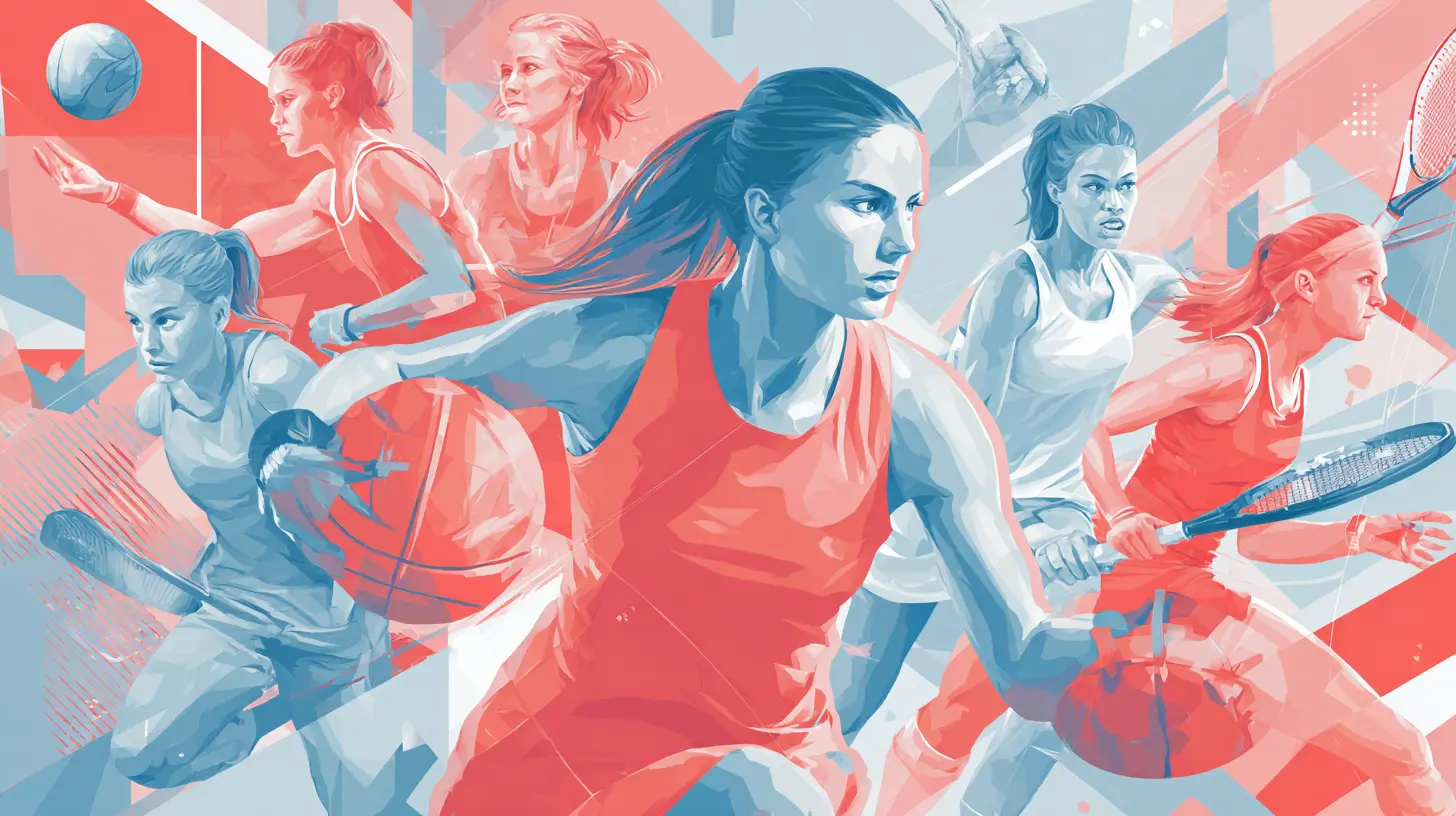
Why 2027 Is a Turning Point, Not a Fad
Every few years, someone declares that women's sports have finally arrived. The difference now is structural. The growth is coming from several directions at once, which makes it far more durable than a single viral moment.Media rights are the clearest signal. Leagues and competitions that once struggled to get airtime are now signing deals that reflect real audience demand. Sponsorship money follows rights money, and both follow attention. When a broadcaster pays more, it promotes more, and promotion drives attendance, merchandise, and player recognition. That cycle feeds itself.
There is also a demographic shift that brands cannot ignore. Younger fans, particularly those under 35, follow women's sports at rates that would have surprised executives a decade ago. These fans are more likely to engage on social platforms, more likely to buy team apparel, and more likely to reward brands they see supporting the athletes they care about. For consumer brands, that is not a niche. That is a growth market.
The third factor is talent depth. In soccer, basketball, tennis, hockey, volleyball, and cricket, the pipeline of elite players has never been deeper. More competitive leagues mean more compelling storylines, and compelling storylines are what sponsors actually buy.
The Categories Writing the Biggest Checks
Sponsorship in women's sports is not a single market. It breaks into distinct categories, each with its own logic. Understanding those differences is essential before copying anyone's playbook.Financial Services
Banks, payment networks, and investment firms have become some of the most visible backers. Their reasoning is straightforward: they want long-term relationships with younger customers, and women's sports offer access to an engaged, loyal audience at a lower cost than many men's properties.The best campaigns in this space do more than slap a logo on a jersey. They build products around the partnership, such as financial literacy programs for athletes, small business grants tied to game milestones, or co-branded cards aimed at fans. The trade-off is that financial brands must be careful. Audiences are quick to spot performative support, and a single misstep in messaging can undo years of goodwill.
Apparel and Footwear
This is where the competition is fiercest. Athletic brands have realized that women's sports are not just a marketing channel but a product development opportunity. Signature shoes, dedicated apparel lines, and athlete-driven design collaborations have moved from rare to routine.The key insight is that women's sports fans often buy differently. They are frequently motivated by the athlete as a person, not just the team. Brands that invest in storytelling and give athletes creative control tend to outperform those that treat the partnership as a simple endorsement.
Technology and Streaming
Tech companies are buying rights, building platforms, and sponsoring leagues to drive subscriptions and hardware sales. For them, women's sports offer something valuable: content that is still underpriced relative to its audience potential.The risk here is fragmentation. If fans need five different subscriptions to follow five different leagues, growth slows. Brands that solve discoverability, whether through bundling, free highlights, or smart recommendation, will capture more value than those that simply acquire content.
Consumer Packaged Goods and Retail
Grocery, beauty, and household brands have moved in aggressively. Their goal is often frequency and familiarity rather than prestige. A shampoo brand sponsoring a basketball league is buying repeated exposure to a specific audience, not a luxury association.These partnerships work best when they connect to a real behavior. A snack brand that becomes the official post-game food of a league, with in-store tie-ins and athlete recipes, does more than a logo on a court.
Automotive and Airlines
These categories tend to sign longer, larger deals. They are buying brand alignment and premium visibility. Their challenge is measurement. It is harder to trace a car purchase to a sponsorship than it is to trace a jersey sale, so these brands lean on brand lift studies and long-term awareness metrics.
The Strategy Behind the Spending
Writing a check is easy. Building a partnership that compounds is hard. The brands seeing the best results share several habits.First, they commit for multiple years. One-season deals rarely build the familiarity that drives preference. Multi-year agreements let a brand become part of the fabric of a league or team, which is where emotional connection forms.
Second, they activate beyond the game. A sponsorship that lives only on a broadcast is a sponsorship that fans forget. The strongest campaigns show up in stores, on social feeds, in community programs, and in the daily lives of players.
Third, they measure what matters. Impressions are easy to count and easy to ignore. Brands that track consideration, purchase intent, and customer acquisition cost against a control group learn far more about whether the money is working.
Fourth, they let athletes lead. The most effective campaigns treat players as partners with real input, not as props. This is not just ethical. It is commercially smarter, because audiences can tell the difference.
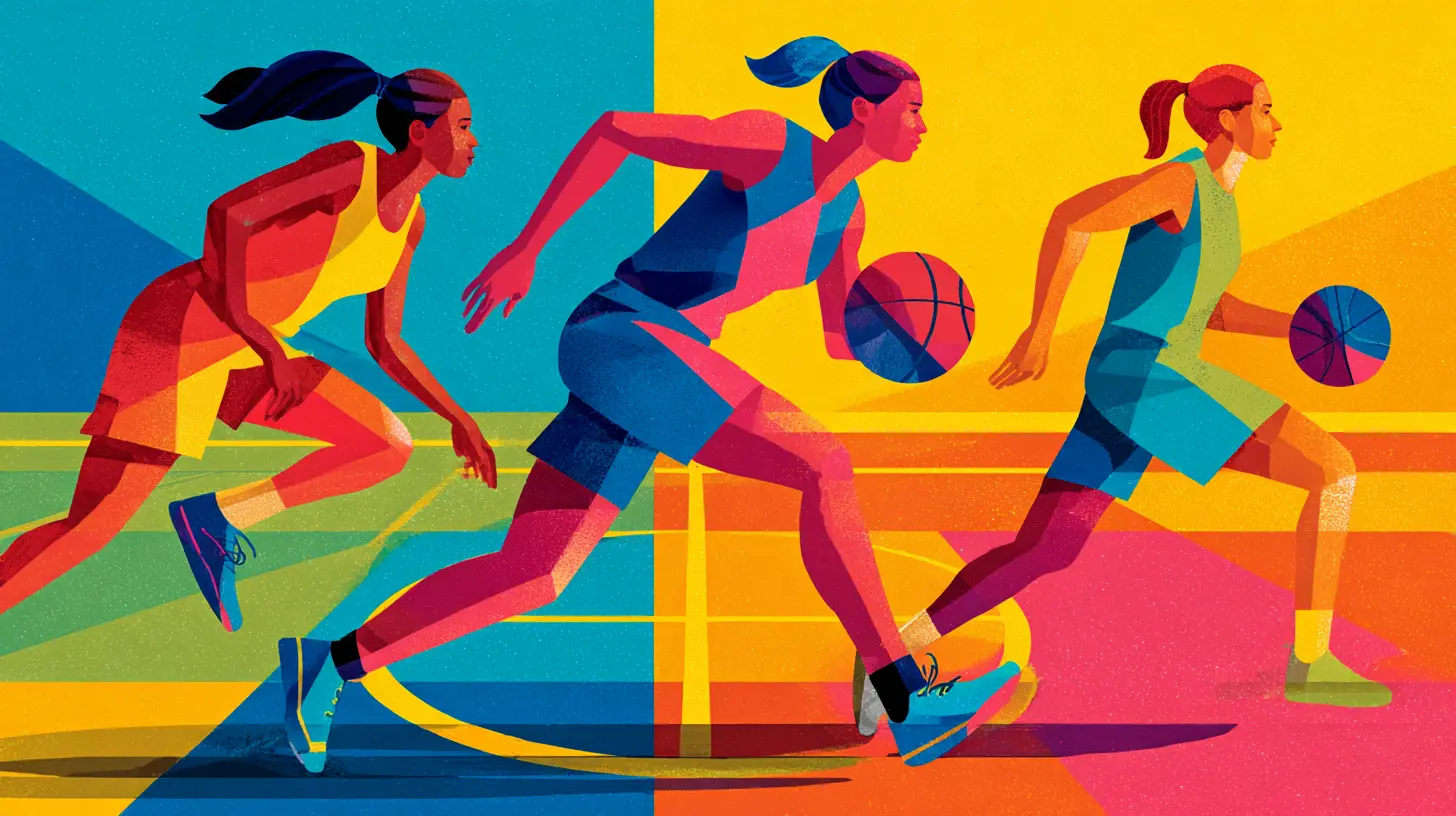
Real Examples of the Playbook in Action
It helps to look at how these principles show up in practice. The details below reflect general patterns in the market rather than any single confidential deal.In women's basketball, several apparel brands have built signature shoe lines around star players, complete with design input and dedicated marketing budgets. The result is a product that fans can buy and a story they can follow. Compare that to a generic team sponsorship, which generates awareness but rarely a purchase trigger.
In women's soccer, financial and telecom brands have funded grassroots programs tied to professional clubs. The logic is a pipeline: today's youth participant becomes tomorrow's season ticket holder and, eventually, a customer. This approach costs more upfront and takes years to pay off, but it builds a moat that short-term sponsors cannot cross.
In tennis and golf, luxury and lifestyle brands have leaned into individual athlete partnerships. These deals are often smaller but more flexible. The trade-off is volatility. An athlete's performance and public image can shift quickly, so brands need clear clauses and a genuine relationship to manage risk.
In emerging markets, mobile and e-commerce brands have used women's cricket and volleyball to reach audiences that traditional advertising struggles to touch. Here, the sponsorship is often part of a broader distribution strategy, with the sport serving as a trusted entry point.
What Makes a Partnership Work, and What Breaks It
Most sponsorship failures are not caused by lack of money. They are caused by misalignment. Here are the patterns that separate success from waste.Alignment between brand values and the property matters. A brand known for innovation partnering with a league known for tradition can work, but only if the creative bridges the gap. Otherwise, the message feels forced.
Internal buy-in matters just as much. If the sponsorship lives only in the marketing department, it will underperform. Sales, product, and customer teams need a reason to care and a way to use the partnership.
Patience matters. Women's sports are growing, but growth is not linear. A brand that panics after one quiet quarter and pulls back will lose the compounding benefit that comes from consistency.
Measurement discipline matters. Without a baseline, every result looks like a win. With a baseline, brands can cut what is not working and double down on what is.
Common Mistakes and Misconceptions
A few myths keep circulating, and they cost brands real money.The first myth is that women's sports are cheaper, so they are lower risk. Lower cost does not mean lower expectations. Fans are highly attuned to authenticity, and a half-hearted campaign will be noticed and criticized.
The second myth is that one big sponsorship is enough. In reality, a single deal rarely moves a brand on its own. It works when it is part of a broader strategy that includes media, retail, and community.
The third myth is that audience size is the only metric. Engagement, loyalty, and purchase behavior often matter more. A smaller, highly engaged audience can outperform a larger, passive one.
The fourth myth is that success in men's sports translates directly. The audiences overlap, but they are not identical. Copying a men's sports playbook without adapting it is a common and expensive error.
How to Evaluate a Women's Sports Sponsorship Before You Sign
If you are considering an investment, work through these questions honestly.What is the specific business objective? Awareness, consideration, acquisition, and retention require different tactics. A sponsorship that is great for awareness may be useless for acquisition.
Who is the audience, and how do they behave? Look beyond demographics to actual media habits, shopping behavior, and platform preferences.
What does activation look like beyond the logo? If you cannot describe three concrete activations, you are not ready to sign.
How will you measure it? Define your baseline and your success criteria before the deal starts, not after.
What is the exit plan? Sponsorships end. Knowing how you will transition, and whether you can retain the audience you built, protects your investment.
The Risks Nobody Talks About
It would be dishonest to present this as a guaranteed win. There are real risks.Rights fees are rising. As demand grows, so does the cost of entry. Brands that waited for proof may now pay a premium.
Attention is fragmented. More leagues and more platforms mean more competition for the same fan hours. Sponsors must work harder to stand out.
Talent concentration is a factor. A few superstar athletes carry a disproportionate share of attention. If a brand's strategy depends on one person, it is fragile.
Regulatory and reputational risks exist too. Gambling, alcohol, and crypto brands face extra scrutiny, and any sponsor can be affected by a crisis involving a partner.
The honest conclusion is that women's sports are a strong bet, not a safe one. The brands winning in 2027 are the ones treating it like any other serious investment: with research, patience, and a willingness to adapt.
What to Watch Next
Several trends will shape the next few years. Media rights will continue to consolidate, which may make it easier for fans to follow leagues but harder for smaller brands to afford visibility. Athlete-owned businesses will grow, creating new partnership models that bypass traditional sponsorship. Data and measurement will improve, making it easier to prove return on investment and easier to justify bigger budgets.The brands that position themselves now, with genuine commitment and smart execution, will be the ones fans associate with the rise of women's sports for a generation. That association is worth more than any single campaign.
all images in this post were generated using AI tools
Category:
Brand EndorsementsAuthor:

Easton Simmons