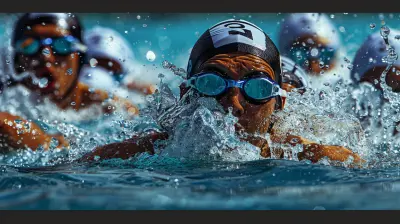
The Benefits of Cold Water Swimming for Recovery and Endurance
30 December 2025
If you’ve ever dipped your toes into icy water, you know the immediate shock it sends through your body. It’s intense, exhilarating, and a little bit terrifying. But what if I told you that cold water swimming isn’t just a test of bravery—it’s a game-changer for recovery and endurance?
Athletes, fitness enthusiasts, and even casual swimmers are turning to cold water dipping for its incredible benefits. Let’s dive (literally) into why this chilly practice is more than just a dare. 
1. Faster Muscle Recovery
After a grueling workout, your muscles feel sore, tight, and sometimes completely drained. That’s where cold water comes in like a superhero.Reduces Inflammation and Soreness
Cold water constricts blood vessels, reducing inflammation and helping flush out waste products like lactic acid. This means less muscle soreness and a quicker turnaround for your next workout.Boosts Circulation
Once you get out of the cold, your blood vessels reopen, sending fresh, oxygen-rich blood to your muscles. Think of it as a natural reset button for your body.
2. Builds Mental Toughness
Let’s be real—diving into freezing water isn’t easy. It takes grit, determination, and a whole lot of willpower.Strengthens Your Mindset
Regular exposure to cold water teaches you to stay calm in discomfort. Over time, this mental resilience translates into other areas of life, helping you push through challenges with a stronger mindset.Improves Stress Management
Cold water stimulates the vagus nerve, which helps regulate your nervous system. This means lower stress levels, reduced anxiety, and better emotional control. If you can handle freezing water, you can handle anything life throws your way.
3. Enhances Endurance Performance
Endurance athletes are always looking for ways to push their limits. Cold water swimming does exactly that.Increases Oxygen Efficiency
Cold exposure helps your body become more efficient at using oxygen, which is crucial for endurance sports. It trains your body to perform better, even under stress.Delays Fatigue
Ever feel like your muscles are giving out too soon? Cold water swimming helps your body adapt to stress, allowing you to perform longer before fatigue sets in.Improves Breath Control
The initial shock of cold water forces you to control your breathing. Over time, this leads to better lung capacity and endurance, making long-distance running, cycling, or swimming feel a little easier.
4. Boosts the Immune System
Nobody likes getting sick, especially when it interrupts training. Luckily, cold water swimming gives your immune system a major boost.Activates White Blood Cells
Cold exposure triggers an increase in white blood cell production, making your body more effective at fighting off illness.Reduces Chronic Inflammation
Chronic inflammation is a silent performance killer. Cold water helps keep inflammation in check, reducing the chances of injury and long-term health issues.5. Enhances Recovery Sleep
You can’t talk about recovery without mentioning sleep. If you’re not getting quality rest, your body isn’t properly recovering. Cold water swimming plays a surprising role here.Regulates Body Temperature
Cold exposure lowers your core body temperature, helping you fall asleep faster and improving sleep quality. Better sleep means better recovery.Promotes Deep Sleep
Studies suggest that cold exposure increases slow-wave sleep (deep sleep), which is crucial for muscle repair and overall recovery.6. Strengthens the Cardiovascular System
Your heart works hard during cold water swimming, and that’s a good thing.Improves Heart Health
Cold water forces your heart to pump more efficiently, strengthening the cardiovascular system over time. This leads to better circulation, lower blood pressure, and a healthier heart.Enhances Adaptability
Your body learns to adapt to extreme temperatures, making you more resilient to physical stress. This means better endurance and improved overall performance.7. Provides a Natural Energy Boost
Forget coffee—cold water is the ultimate wake-up call.Releases Endorphins
Cold water swimming triggers a rush of endorphins, the body’s natural mood boosters. You’ll feel more awake, refreshed, and ready to take on the day.Improves Focus and Productivity
Feeling sluggish? A quick dip in cold water sharpens your focus and boosts mental clarity, making it easier to stay sharp and alert.8. Speeds Up Injury Recovery
For athletes dealing with injuries, recovery can feel frustratingly slow. Cold water therapy helps speed up the process.Reduces Swelling and Pain
Cold exposure numbs nerve endings and reduces swelling, making it a natural pain reliever for sore joints and muscles.Stimulates Tissue Repair
Increased circulation sends essential nutrients to damaged tissues, accelerating recovery. It’s like giving your body a fast-forward button when healing from injuries.How to Get Started with Cold Water Swimming
Ready to take the plunge? Here’s how to ease into cold water swimming safely.1. Start Slow
If you’re new to cold water swimming, don’t jump straight into ice-cold water. Start with cold showers and gradually work your way up.2. Breathe Through the Shock
The initial cold shock can be overwhelming. Stay calm, focus on slow, controlled breathing, and resist the urge to panic.3. Limit Your Time
Don’t overdo it—especially in the beginning. Start with short dips (1-3 minutes) and gradually increase your time as your body adapts.4. Warm Up Properly
After your swim, warm up with dry clothes, movement, and a warm drink. Avoid jumping straight into a hot shower, as it can cause a rapid drop in blood pressure.5. Listen to Your Body
If you start feeling numb, extremely cold, or disoriented, it’s time to get out. Your safety comes first.Final Thoughts
Cold water swimming isn’t just a thrill-seeking activity—it’s a powerful tool for boosting recovery, improving endurance, and building mental resilience. Whether you’re an athlete, a weekend warrior, or just someone looking for an unconventional way to stay healthy, diving into cold water might be exactly what your body needs.So, will you take the plunge?
all images in this post were generated using AI tools
Category:
SwimmingAuthor:

Easton Simmons
Discussion
rate this article
2 comments
Caitlin Kane
I never thought I'd love freezing my toes off, but cold water swimming has become my secret weapon for recovery! It’s invigorating and surprisingly refreshing. Plus, there's something about that initial shock that makes me feel like a true champion. Who’s diving in with me? 🥶🏊♂️
February 5, 2026 at 3:37 AM
Easton Simmons
Absolutely! Cold water swimming is a game changer for recovery. The shock invigorates the body and aids in muscle recovery, making it a powerful tool for endurance athletes. Dive in and embrace the chill! 🥶🏊♂️
Edward Green
Cold water swimming offers significant recovery benefits, enhancing blood circulation and reducing muscle soreness. It's a natural way to boost endurance, as the shock helps build mental toughness. Just remember to ease into it and listen to your body!
January 6, 2026 at 4:33 AM
Easton Simmons
Thank you for your insightful comment! You're absolutely right—cold water swimming can be a powerful tool for recovery and endurance, and it's important to approach it mindfully.