The 2027 Face-Off That Sparked a New Era in Hockey
12 October 2026
Every so often, a single game stops being just a game. It becomes a dividing line. People talk about hockey before that night and hockey after it. The 1972 Summit Series did that. The 1980 Miracle on Ice did that. The 2010 Olympic final in Vancouver did that for a generation of Canadian and American fans. And there is a strong case that the 2027 face-off between Canada and the United States at the World Cup of Hockey will do it again, not because of the final score, but because of everything that surrounded the opening puck drop.
This article is not a prediction piece. Nobody can tell you what will happen in a game that has not been played. What I can do is explain why this particular matchup carries so much weight, what it will likely change about how the sport is played, coached, marketed, and watched, and how players, coaches, parents, and fans should think about the shift that is already underway. The 2027 face-off is less a single event and more a pressure point where several long-building trends in hockey finally collide.
Why This Matchup Matters More Than a Typical Rivalry Game
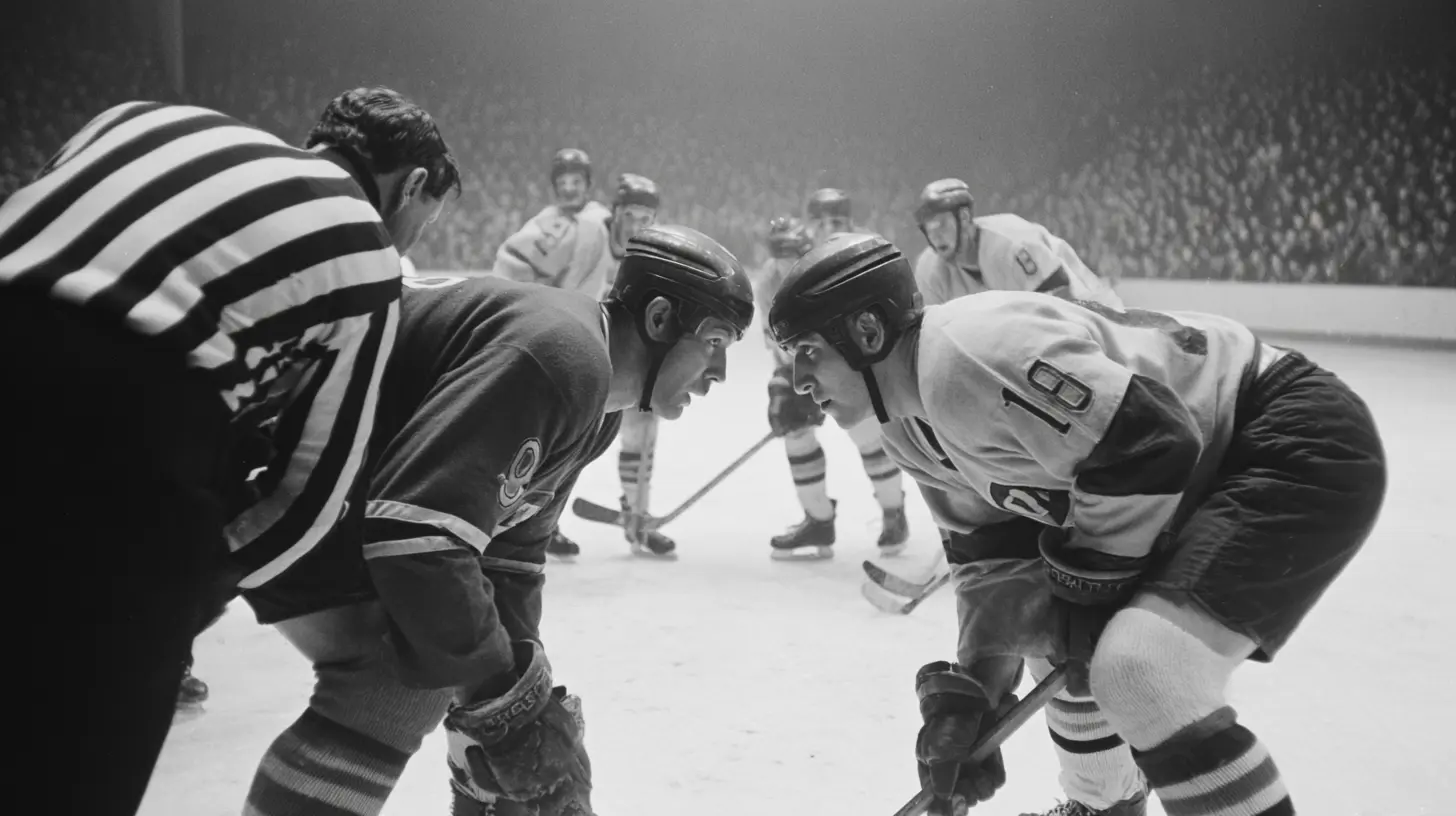
Canada versus the United States is the oldest and most emotionally loaded rivalry in international hockey. That part is not new. What is new is the context. By 2027, the two countries will meet in a best-on-best tournament for the first time in years, and the gap between their programs has never been narrower at the top end.For decades, the story was simple. Canada produced the deepest talent pool on earth. The United States produced a scrappy, well-coached, hard-working team that could steal a game but rarely out-skill its northern neighbor over a full series. That narrative has been dying for a while. The United States now develops elite skill through the National Team Development Program, a college system that competes with major junior hockey for top prospects, and a pipeline of players who enter the NHL younger and more polished than ever.
So when these two teams finally face off in 2027, it will not be a case of one program chasing the other. It will be two programs arriving at the same summit from different directions. That is what makes the face-off a genuine turning point rather than just another chapter.
The Talent Convergence Nobody Can Ignore
Think about how player development has changed. A Canadian kid born in 2005 might have spent his minor hockey years playing 60-game seasons with limited practice time. An American kid born the same year might have played a shorter season with more skill instruction and more small-area games. Both approaches produce NHL players, but they produce different kinds of players.By 2027, the two national teams will be stocked with players who grew up in a world where skill development, skating mechanics, and decision-making under pressure are taught from age eight. The old stereotype of the gritty Canadian grinder versus the flashy American scorer no longer holds. Both teams will be fast, skilled, and tactically sophisticated. The face-off becomes a test of systems and culture rather than raw talent.
What Best-on-Best Actually Does to the Sport
Best-on-best international hockey is not just entertainment. It is a laboratory. Coaches experiment with line matching, power play structures, and defensive zone concepts that they would never risk in an 82-game NHL season. When those experiments work on a global stage, they get copied. Within two seasons, you see them in the NHL, then in the AHL, then in college, then in junior, then in minor hockey.That is the real legacy of a game like the 2027 face-off. It is not the highlight reel. It is the ripple effect that reaches a 12-year-old in Saskatchewan or Minnesota three years later.
The Tactical Shift the 2027 Face-Off Will Cement
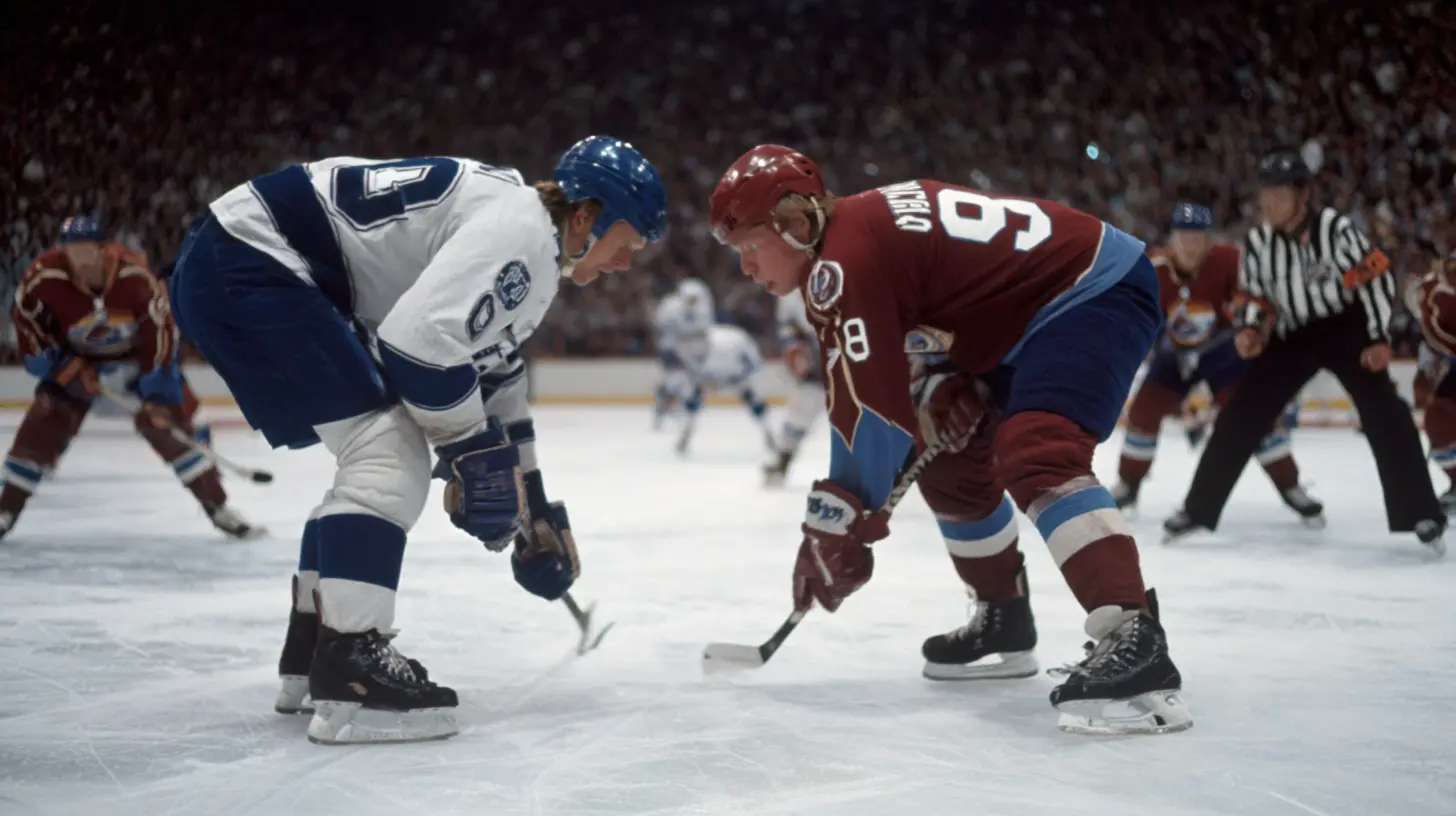
Hockey tactics move in waves. The neutral zone trap of the late 1990s gave way to the speed-and-possession game of the 2010s. The 2020s brought a hybrid: aggressive forechecking combined with layered defensive support and a willingness to attack off the rush. The 2027 face-off will almost certainly be the moment when the next wave becomes obvious to everyone.Why Hybrid Pressure Is Replacing Pure Systems
For years, coaches argued about whether to forecheck with one, two, or three players. The debate was framed as a trade-off between pressure and risk. The modern answer is more nuanced. Teams now use what amounts to a read-and-react pressure system. The first forward commits hard. The second forward reads the puck carrier's body language and decides whether to support or retreat. The defensemen hold the blue line only when the read is clear.This works because players are better skaters and better decision-makers than they were 15 years ago. A system that required constant improvisation would have failed in 2005. In 2027, it will be the default at the highest level.
Consider the trade-offs. Hybrid pressure creates more turnovers in the offensive zone, which leads to more high-danger chances. It also exposes you to odd-man rushes if the reads are slow. That is why it demands intelligent, mobile defensemen and forwards who understand risk. Teams that lack those pieces should not copy it blindly. This is the kind of nuance that separates a smart coach from a trend-chaser.
The Role of the Modern Goaltender in a Faster Game
One of the quiet stories of the 2027 tournament will be how goaltenders handle a game with more east-west movement and more shots from unusual angles. The days of the big, blocking butterfly goalie who plays 70 games a season are fading. The modern elite goalie is a hybrid: part positional blocker, part reactive athlete, part puck mover.Why does this matter for the face-off? Because in a single-elimination or short tournament format, goaltending variance is enormous. A hot goalie can erase a tactical disadvantage. A cold one can waste a perfect game plan. Smart coaches build their tournament roster around a goalie who fits their system, not just the one with the best save percentage.
Development Lessons for Coaches and Parents
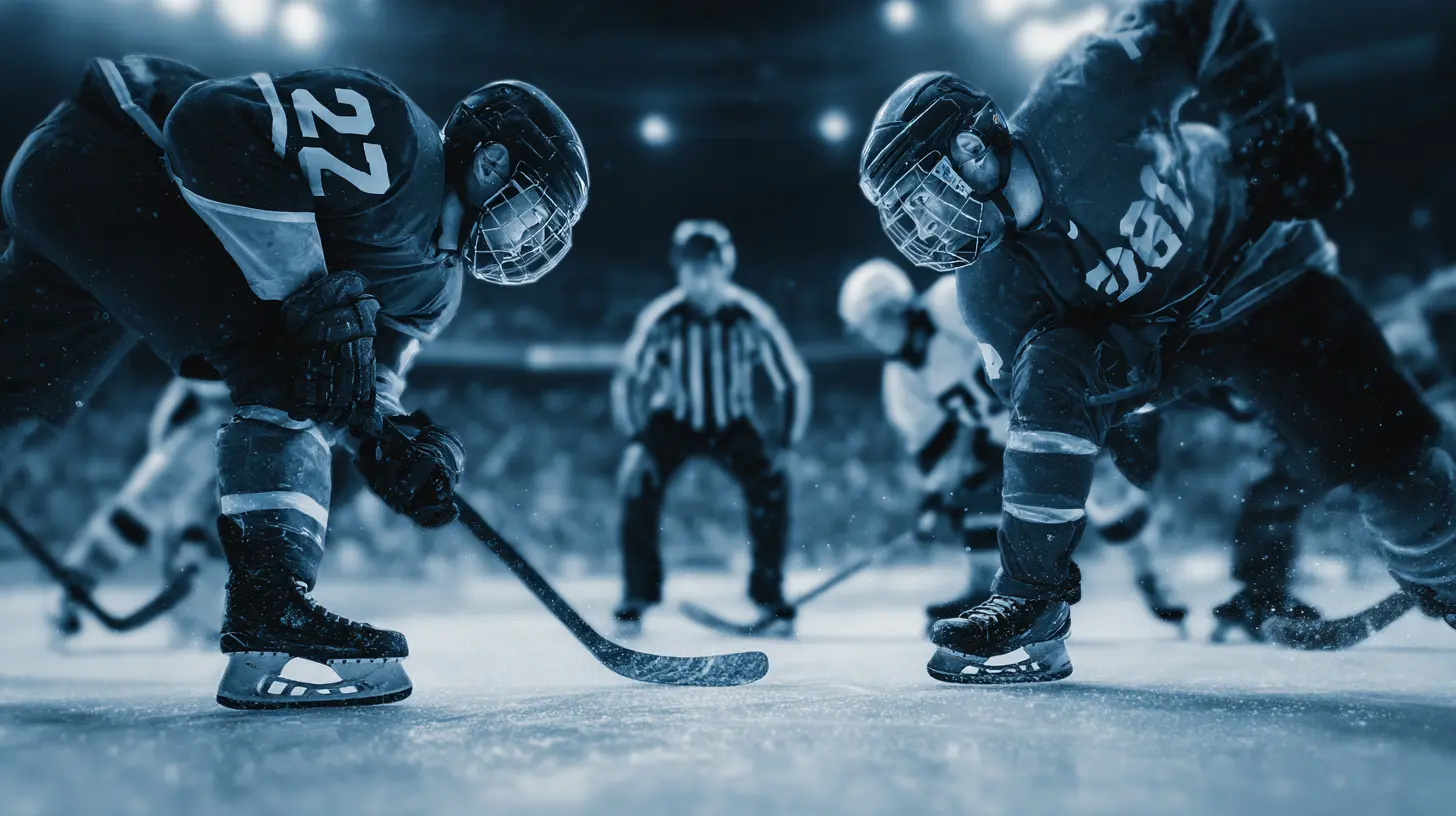
The 2027 face-off will be watched by millions, but its most important audience is much smaller: coaches and parents who shape players long before they reach that stage. Here is what the trends behind that game should teach anyone involved in development.Skill Before Structure
Too many minor hockey coaches teach systems before skills. They draw up a 1-3-1 forecheck for ten-year-olds who cannot yet make a clean backhand pass. That is backwards. The players who reach the 2027 stage will be the ones who spent thousands of hours mastering edges, puck control, and scanning the ice before anyone asked them to execute a structured forecheck.Practical advice: if you coach players under 12, spend at least 70 percent of your practice time on skill acquisition and small-area games. Structure can wait. It is much easier to teach a skilled player a system than to teach a system player a skill.
The Case for Multi-Sport Athletes
There is a persistent myth that elite hockey players specialize early. The evidence from the development paths of current NHL stars suggests otherwise. Many of the best players played soccer, lacrosse, baseball, or tennis well into their teens. Those sports build footwork, hand-eye coordination, and spatial awareness that transfer directly to hockey.For parents, the takeaway is simple. Do not panic if your child wants to play another sport. The 2027 face-off will be full of players who did exactly that.
Why Burnout Is a Real Talent Killer
The most overlooked factor in development is not talent. It is joy. Players who stop loving the game at 14 rarely reach their potential, no matter how gifted they are. The pressure to specialize, to travel, to play year-round, and to chase scholarships has pushed many families into a cycle that produces fatigue rather than excellence.If you want your child to have a chance at a stage like the 2027 face-off, protect their love of the game first. That means off-seasons. That means free play. That means letting them be kids.

What Fans Should Watch For
If you are a fan, the 2027 face-off offers more than a single game. It offers a window into where the sport is going. Here is what to watch.Line Matching and Deployments
Watch how each coach uses his fourth line. In best-on-best hockey, the fourth line is not a checking line. It is a momentum line. Coaches who understand this will roll four lines and trust them. Coaches who do not will shorten their bench and burn out their stars by the third period.Defensive Zone Face-Offs
The face-off dot is not just a restart. It is a set piece. Watch how teams align after a defensive zone draw. Do they collapse? Do they pressure? Do they send a winger high to cut off the point? These small decisions often determine who controls the game.Goaltender Puck Handling
A goalie who can move the puck effectively acts as a sixth skater. Watch how often the goalie initiates the breakout. This is one of the clearest indicators of a modern system.Common Misconceptions About International Hockey
Let me address a few myths that always surface around big tournaments.Myth one: The best players always win. Not true. Short tournaments reward depth, goaltending, and coaching. A team with three superstars and a weak bottom six often loses to a team with four balanced lines.
Myth two: Physicality wins international games. Physical play matters, but on the bigger ice surface, and with modern rules, it is less decisive than speed and puck management. Teams that chase hits often chase the puck.
Myth three: Experience is everything. Experience helps, but young legs and fearless play can overwhelm veteran teams. The 2027 face-off will likely feature teenagers and early-twenties players making an impact.
How the 2027 Face-Off Will Shape the NHL
The NHL watches international tournaments closely. When a tactic works at the World Cup, it gets adopted quickly. Expect to see the following within two seasons.More Positional Fluidity
Forwards covering for pinching defensemen. Defensemen joining the rush and staying in the play. The old rigid positions are dissolving. The 2027 face-off will accelerate that.Shorter Shifts and Higher Intensity
Tournament hockey rewards short, explosive shifts. NHL coaches already push for 40-second shifts. That number may drop further as teams prioritize maximum effort over endurance.Increased Emphasis on Puck Retrieval
The team that recovers more loose pucks usually wins. Watch how the 2027 teams pursue pucks in the offensive zone. That skill is becoming a core evaluation metric for scouts.Practical Takeaways for Players
If you are a player with aspirations, here is what the 2027 face-off should tell you.- Work on your skating edges every day. Speed without control is useless at the highest level.
- Learn to scan the ice before you get the puck. Elite players know where everyone is before the pass arrives.
- Practice under fatigue. Tournament hockey is played tired. If you only train fresh, you will struggle.
- Study the game. Watching film is not optional for serious players. It is part of the job.
- Build your body gradually. Strength matters, but mobility and durability matter more.
The Bigger Picture
The 2027 face-off is not just a game between two countries. It is a mirror. It reflects how far the sport has come in player development, coaching, and global competitiveness. It also shows where the sport still has room to grow.Hockey is no longer a Canadian game with American guests or an American game with Canadian roots. It is a global game with multiple centers of excellence. The 2027 face-off will make that undeniable.
What happens after the final horn is what truly matters. The tactics will spread. The players will inspire a new generation. The coaches will borrow ideas. The fans will argue about it for years. And somewhere, a kid will watch that game and decide to lace up skates for the first time.
That is the real legacy. Not the score. Not the highlights. The ripple.
all images in this post were generated using AI tools
Category:
Historic MatchesAuthor:

Easton Simmons