Teams with the Most to Prove in 2026
9 October 2026
Every sports season hands out trophies, but pressure is its own kind of standings. Some teams enter 2026 carrying something heavier than expectation. They need to answer a question, correct a narrative, or justify a bet they made on themselves. That is the difference between a team that wants to win and a team that has to.
This is not a list of the best teams. It is a list of teams with the most riding on the next twelve months, across leagues and continents. Some are dynasties trying to hold a line. Some are rebuilds that have run out of patience. A few are programs that made a bold move and now have to live with it.
The criteria are simple. A team belongs here if a normal season would feel like failure, if the stakes go beyond a single result, or if the people in charge have effectively bet their reputations on 2026. I will explain what each team needs to prove, why it matters, and what could go wrong.
Why Pressure Defines a Season More Than Talent
Talent gets you into the conversation. Pressure decides whether you can stay in it. Sports history is full of rosters that looked unbeatable on paper and folded the moment the margin for error disappeared.There is a useful distinction between two kinds of pressure. External pressure comes from fans, media, and history. Internal pressure comes from the locker room and the front office. The teams that handle both are the ones that win when it counts. The teams that handle only one tend to break in the same predictable ways.
Consider a club that has won everything. Its external pressure drops, but its internal pressure rises because the standard is now permanence. Now consider a club that has won nothing but spent like a champion. Its external pressure is enormous, and its internal pressure is fragile because nobody in the building has proof the plan works.
2026 is interesting because several teams sit at the intersection of both. They spent, they promised, and now they have to deliver. Others are on the other side, defending something they built and hoping the foundation still holds.
The Anatomy of a Team Under Pressure
Before naming names, it helps to define what "something to prove" actually looks like. It rarely means one thing. It usually means one of five.Proving a window is still open. This applies to aging cores that have one or two realistic shots left. The question is not whether they are good, but whether they are still good enough, and whether the supporting cast can survive a long season.
Proving a rebuild was worth it. Rebuilds are a promise. Draft picks, young players, and patience are all IOUs. At some point the IOUs come due, and 2026 is that point for a few franchises.
Proving a coach or manager was the right hire. When a team changes leadership, it is making a bet on a philosophy. The first full season is often forgiven. The second is not.
Proving a big signing was not a mistake. Free agency and transfers are public bets. When a team pays a premium, it is not just buying production. It is buying a narrative, and that narrative has a deadline.
Proving a culture can survive turnover. Some teams lose coordinators, assistants, or key veterans and have to show the system was never about one person.
Most teams on this list fit two or three of these categories at once. That overlap is what makes them fascinating and what makes their seasons so fragile.
Teams with the Most to Prove in 2026
The Dallas Cowboys: A Decade of Almost
Dallas has been in the "almost" business for a long time. The roster has talent. The brand is enormous. The results have not matched either. In 2026, the Cowboys face the uncomfortable reality that another early playoff exit would not be surprising, and that is the problem.What they have to prove is not that they can reach the postseason. They have done that. They have to prove they can win when the games get tight and the opponent is not intimidated by the star on the helmet. That means fixing the parts of the team that tend to disappear in January: the running game, the interior lines, and the discipline that turns a promising drive into a field goal attempt.
The tricky part is that Dallas has already paid its core. When you pay a quarterback and a receiver and a pass rusher, you are telling the world you believe this group can finish the job. If it does not, the next few years become a slow unwind, and nobody wants to be the executive who has to explain that.
What could go wrong? A slow start, a midseason coaching change rumor, and a locker room that starts reading its own press clippings. What could go right? A healthy season from the offensive line and a defense that finally generates takeaways in big moments. The margin is thin, and that is exactly why Dallas belongs here.
Manchester United: The Rebuild That Cannot Rebuild Forever
United have been in a state of permanent transition for over a decade. Each new manager arrives with a plan, a philosophy, and a list of players who do not fit it. Each departure leaves behind a squad that looks like a committee designed it.2026 matters because the club has finally started to spend with a clearer idea of what it wants. That is progress. But progress without results is just a more expensive version of the same story. The team needs to prove it can finish in the top four, compete in cup competitions, and look like a side that belongs in the same conversation as the teams it used to beat regularly.
The deeper issue is identity. United have not had a consistent style since the last great era. That is not nostalgia talking. It is a practical problem. A team without a clear style cannot recruit well, cannot develop young players properly, and cannot survive a bad month without panic.
What should fans watch for? Not just results, but whether the team looks like it knows what it is doing when it does not have the ball. Pressing structures, defensive shape, and set pieces are the boring details that separate a project from a crisis.
The Los Angeles Lakers: The Post-Legend Identity Test
Few franchises have a harder job than following a legend. The Lakers have done it before, and they have usually done it by landing another one. That is not a strategy. It is a luxury, and luxuries run out.In 2026, the Lakers have to prove they can build a genuinely modern team around their current core. That means shooting, spacing, and defensive versatility, not just another star name. The front office has to show it can draft and develop, not only sign and trade.
The pressure here is unique because the Lakers are judged by championships and nothing else. A good season that ends in the second round is a failure by their standards. That is a brutal measuring stick, and it forces short-term decisions that often hurt long-term health.
What is the right approach? A balanced one. Keep the core competitive, but invest in the kind of role players who fit a coherent system. If the Lakers try to shortcut this with another blockbuster, they risk repeating the same cycle. If they commit to a real plan, they might take a step back before taking two forward. That is a hard sell in Los Angeles, which is why 2026 is a genuine test of nerve.
The Cleveland Browns: A Quarterback Question with No Easy Answer
Cleveland has spent years building a roster that should be good enough to compete. The defense is real. The offensive line has been solid. The problem has always been the most important position on the field.2026 is the year the Browns have to prove they can either get consistent play from the quarterback room or finally commit to a different path. That path could mean a rookie, a bridge veteran, or a full reset. What it cannot mean is another season of uncertainty.
The reason this matters so much is that the rest of the roster is aging. Good defenses have a shelf life. Offensive lines decline. If the Browns waste another year of a capable supporting cast, they will be rebuilding again before they ever really competed.
What should the team prioritize? Clarity. Pick a direction and commit to it, even if it costs a few games in the short term. The worst outcome is a 9-8 season that convinces everyone the answer is just around the corner when it is not.
The New York Knicks: Proving the Trade Was Worth It
New York has done the hard part. It assembled a roster with real talent and a coach who demands accountability. Now it has to prove that the moves were more than a sugar rush.The Knicks' challenge is not talent. It is fit. When you trade for stars, you inherit their habits, their preferences, and their egos. The best teams figure out how to make those pieces complement each other instead of competing for the same space.
2026 is the year New York has to show it can win a playoff series against a team that is not dealing with injuries. That is the bar. Regular season wins are nice, but they do not answer the question. Only the postseason does.
What could derail them? A slow start that turns into a coaching controversy, or a midseason injury that exposes how thin the bench is. What could push them over the top? A commitment to defense and a willingness to let the offense run through the players who actually make it work, not the ones with the biggest reputations.
The Golden State Warriors: The Last Stand of a Dynasty
Dynasties do not end with a single loss. They end with a series of small compromises: an aging core, a shrinking bench, and a front office caught between loyalty and logic.Golden State enters 2026 with a core that has won everything and a supporting cast that has changed constantly. The question is whether the team can still play the style that made it great, or whether it needs to reinvent itself to survive.
The answer is probably both. The Warriors can still shoot and pass with anyone. What they cannot do is defend at the level they once did, and that puts enormous pressure on the offense to be perfect. That is not a sustainable model.
What they have to prove is that they can win a playoff series against a younger, more athletic team. If they cannot, the conversation about breaking up the core will get louder, and it will be hard to argue against it.
The Chicago Bears: A Rebuild That Needs a Return
Chicago has been rebuilding for what feels like a decade. At some point, a rebuild stops being a plan and becomes an excuse.The Bears have a young quarterback, a new coaching staff, and a roster with real holes. What they need to prove in 2026 is that the direction is real. That does not mean winning the division. It means looking like a team that is on the rise, not one that is still searching for an identity.
The most important thing to watch is development. Are the young players getting better? Is the scheme helping the quarterback, or asking him to do too much? Are the draft picks contributing? If the answers are yes, the wins will follow. If the answers are no, the rebuild will reset again, and patience will run out.
The Boston Red Sox: Spending Without a Story
Boston has spent money. That is not the issue. The issue is whether the spending adds up to a coherent team.The Red Sox have a habit of making moves that look good in isolation and confusing in aggregate. A big bat here, a veteran arm there, and suddenly the roster has no clear identity. In 2026, they need to prove they can build a team, not just a collection of players.
That means figuring out the rotation, committing to a defensive alignment, and letting young players develop without yanking them around. It also means accepting that a rebuild and a contention window cannot run at the same time without a lot of luck.
What should fans watch? The pitching staff. If the rotation holds up, the lineup has enough to compete. If it does not, the season will unravel quickly, and the front office will have to answer for another year of half-measures.
The Las Vegas Raiders: A New Era with Old Problems
The Raiders have a new coach, a new front office, and the same old question: can they build something that lasts?Las Vegas has never had a problem with relevance. It has had a problem with substance. The team makes headlines, signs names, and then struggles to put together a complete season. In 2026, the Raiders have to prove they can be more than a brand.
The key is the trenches. Every successful Raiders team in recent memory has been built on a strong offensive and defensive line. When those units are good, the skill players shine. When they are not, everything falls apart.
What should the team prioritize? Consistency. A boring, physical team that wins eight or nine games and looks organized is a step forward. A flashy team that wins seven and collapses in December is not.
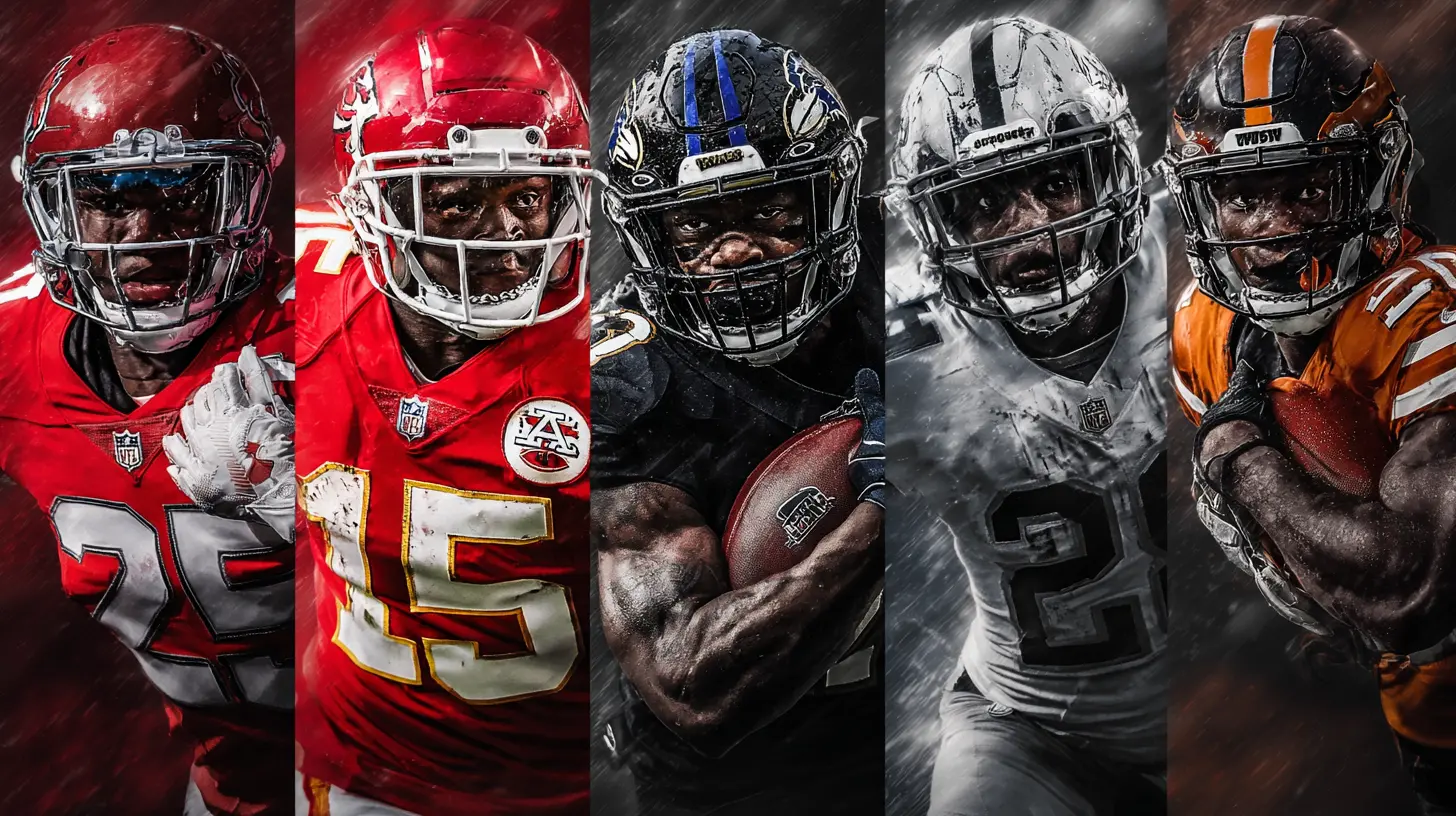
What These Teams Have in Common
Look closely and a pattern emerges. Most of these teams are not lacking talent. They are lacking clarity.The Cowboys have talent but no postseason identity. United have money but no style. The Lakers have history but no modern blueprint. The Browns have a roster but no quarterback answer. The Knicks have stars but no proven fit. The Warriors have a dynasty but no succession plan.
That is the real lesson of 2026. Pressure does not come from being bad. It comes from being good enough to expect more and unsure enough to doubt it.
How Teams Actually Handle Pressure
There is no single recipe for handling a high-stakes season, but there are patterns worth studying.Clarity beats flexibility. Teams that know what they are trying to do tend to survive adversity better than teams that adjust constantly. A clear identity gives players a role and gives coaches a standard.
Depth matters more than stars. Stars win games. Depth wins seasons. The teams that handle pressure are the ones that can survive an injury to a key player without changing who they are.
Leadership has to be internal. External motivation, from media or fans, fades quickly. Internal motivation, from captains and coaches, lasts all year.
Patience is a strategy, not a weakness. The best organizations resist the urge to panic after a bad month. They trust the process they built, and they evaluate it honestly at the end of the season.
Communication prevents crises. When expectations are clear and roles are defined, small problems stay small. When they are not, small problems become headlines.
Common Mistakes Teams Make Under Pressure
Even good organizations fall into predictable traps.Mistake one: chasing the headline. Signing a big name to calm the fan base rarely fixes the underlying issue. It usually creates a new one.
Mistake two: changing the plan midseason. A midyear pivot can work, but only if it is based on evidence, not emotion. Panic moves tend to make things worse.
Mistake three: blaming the coach. Sometimes the coach is the problem. Often the coach is a symptom. Firing a coach without fixing the roster usually just resets the clock.
Mistake four: ignoring the locker room. Chemistry is not everything, but it is not nothing. Teams that ignore internal friction tend to see it show up in the biggest moments.
Mistake five: overvaluing the regular season. A great record is nice. It does not answer the questions that matter. The postseason does.
What to Watch in 2026
If you want to judge these teams fairly, watch for a few specific things.For Dallas, watch the red zone offense and the defensive takeaways. Those are the stats that separate a good regular season from a deep playoff run.
For United, watch the pressing structure and the set pieces. Those are the details that reveal whether the team has a real plan.
For the Lakers, watch the bench and the three-point shooting. Those are the areas that decide whether the core has enough help.
For the Browns, watch the quarterback decisions in tight games. That is where clarity shows up, or does not.
For the Knicks, watch the defensive rotations in the fourth quarter. That is where fit matters most.
For the Warriors, watch the minutes when the core is on the bench. That is where dynasties fade.
For the Bears, watch the development of the young players. That is the real scoreboard.
For the Red Sox, watch the rotation. That is the foundation.
For the Raiders, watch the line of scrimmage. That is the whole story.
Final Thoughts
Pressure is not a punishment. It is a privilege. Teams with nothing to prove are usually teams with nothing to play for, and that is a worse fate than expectation.The teams on this list have something valuable: a reason to care. They have fans who expect more, owners who spent more, and players who believe they are close. Whether they deliver is the story of 2026.
What makes this season fascinating is that the answers will not come from talent alone. They will come from clarity, patience, and the willingness to admit what is not working. The teams that figure that out will not just win games. They will prove something that lasts longer than a single season.
all images in this post were generated using AI tools
Category:
Preseason AnalysisAuthor:

Easton Simmons