Olympic Boxing: The Sweet Science on the World Stage
28 January 2026
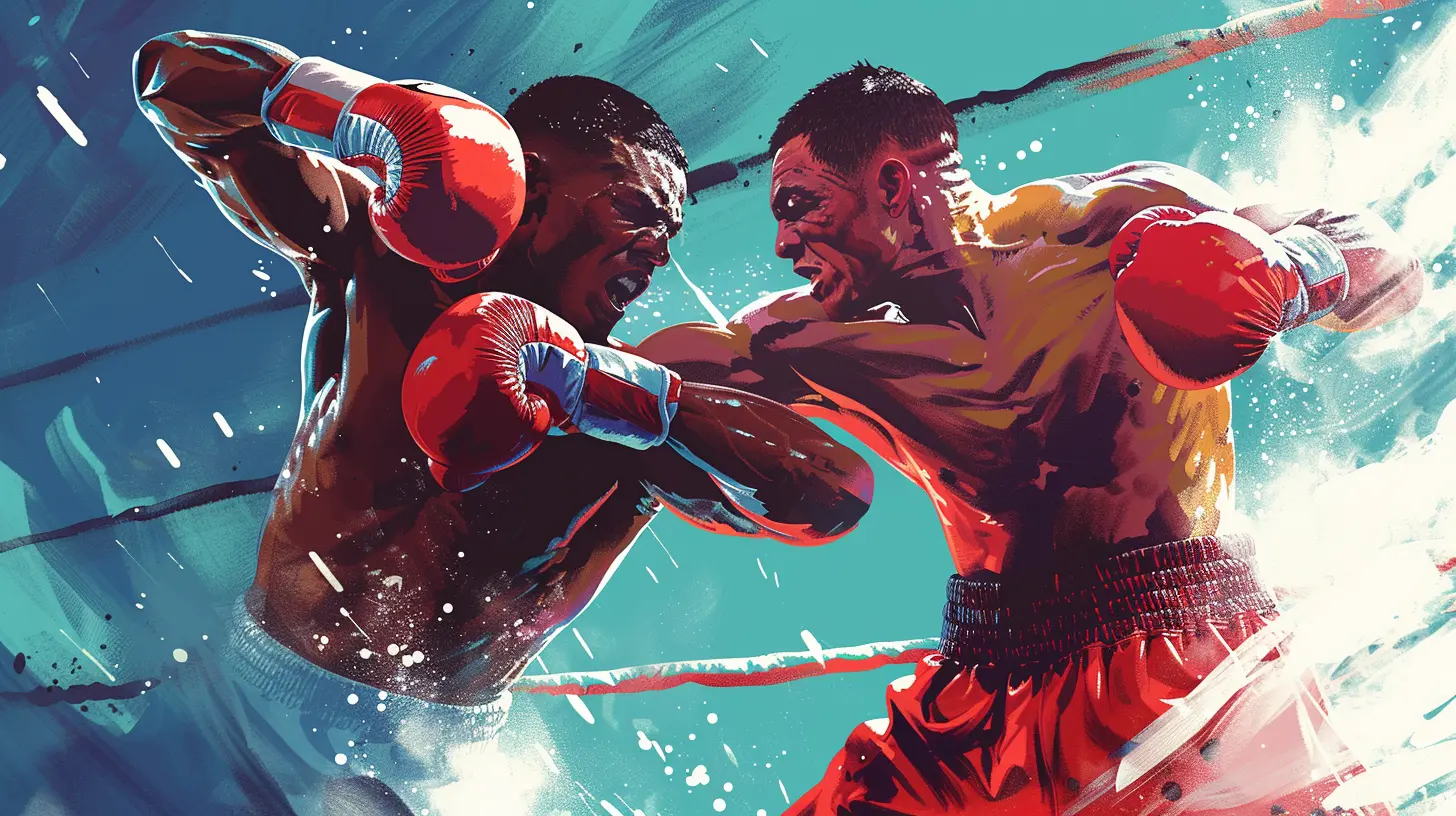
Boxing—raw, powerful, and deeply strategic—is often called "The Sweet Science." But when it steps into the Olympic arena, it transforms into something even greater. Olympic boxing isn't just about throwing punches. It's about national pride, lifelong dreams, and the world's best athletes putting everything on the line for that one golden moment.
In this article, we’ll lift the veil on Olympic boxing. Whether you're a die-hard fight fan or just someone curious about the sport’s global impact, buckle up. You're about to get ringside access to one of the most compelling events in the entire Olympic Games.
What Makes Olympic Boxing So Special?
Let’s start with the obvious: It's the Olympics. The sheer prestige of competing under your country’s flag adds a layer of intensity you just don’t see elsewhere.Unlike professional boxing—where titles, endorsements, and million-dollar purses are at stake—Olympic boxing is about honor. It's about legacy. Many of the sport’s all-time greats—Muhammad Ali, Sugar Ray Leonard, Oscar De La Hoya—first made their name in Olympic rings.
It’s Amateur... But Don’t Let That Fool You
Olympic boxing is classified as amateur, but don’t confuse that with “less skilled.” These athletes train just as hard—if not harder—than pros. In fact, the Olympic format often calls for even sharper discipline. Shorter bouts (3 rounds for men and women) mean there's no room for error, and scoring is based on precision, not power.So while you won’t see 12-round wars like in pro bouts, the action in Olympic boxing is fast, furious, and technically beautiful.
A Brief History of Olympic Boxing
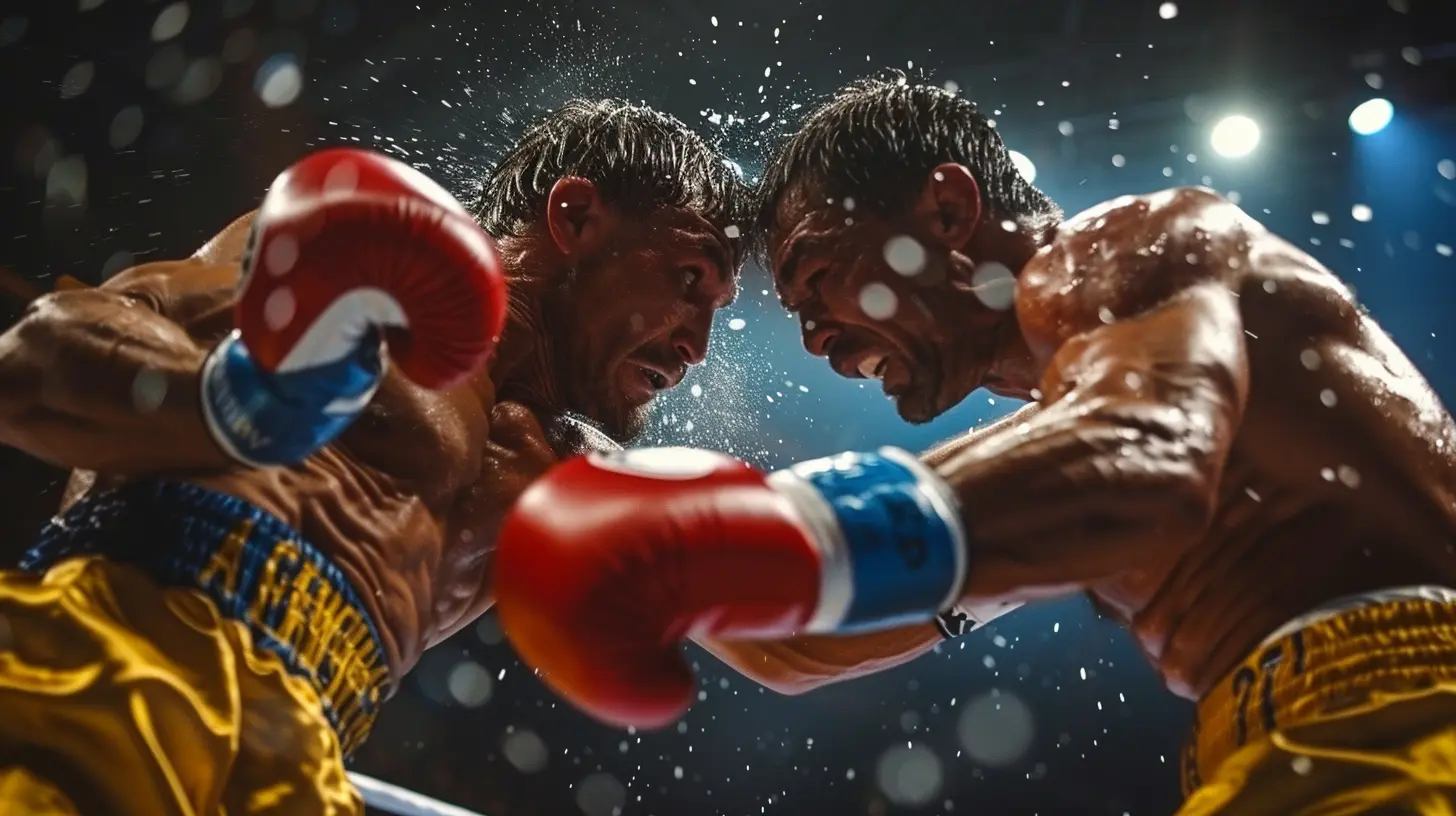
Let's rewind the tape a bit.Boxing was introduced to the modern Olympics in 1904. Since then, it’s been a regular feature—except in 1912 when legal restrictions in Sweden kept it out. Over time, the sport evolved in form, rules, and reach.
Milestone Moments
- 1960: A young Cassius Clay (later Muhammad Ali) lit up the Rome Olympics with his gold-medal performance.- 1976: The Montreal Games gave rise to Sugar Ray Leonard who dazzled the world with his speed and charisma.
- 1992: Oscar De La Hoya won gold in Barcelona shortly after the death of his mother, dedicating his win to her—an emotional moment that inspired millions.
And let’s not forget women’s boxing.
The Women Enter the Ring
Women's boxing made its Olympic debut in 2012 in London. Finally, the other half of the population got a legit stage to show the world their skill. Since then, female boxers have delivered some of the most intense and technical fights across all Olympic sports.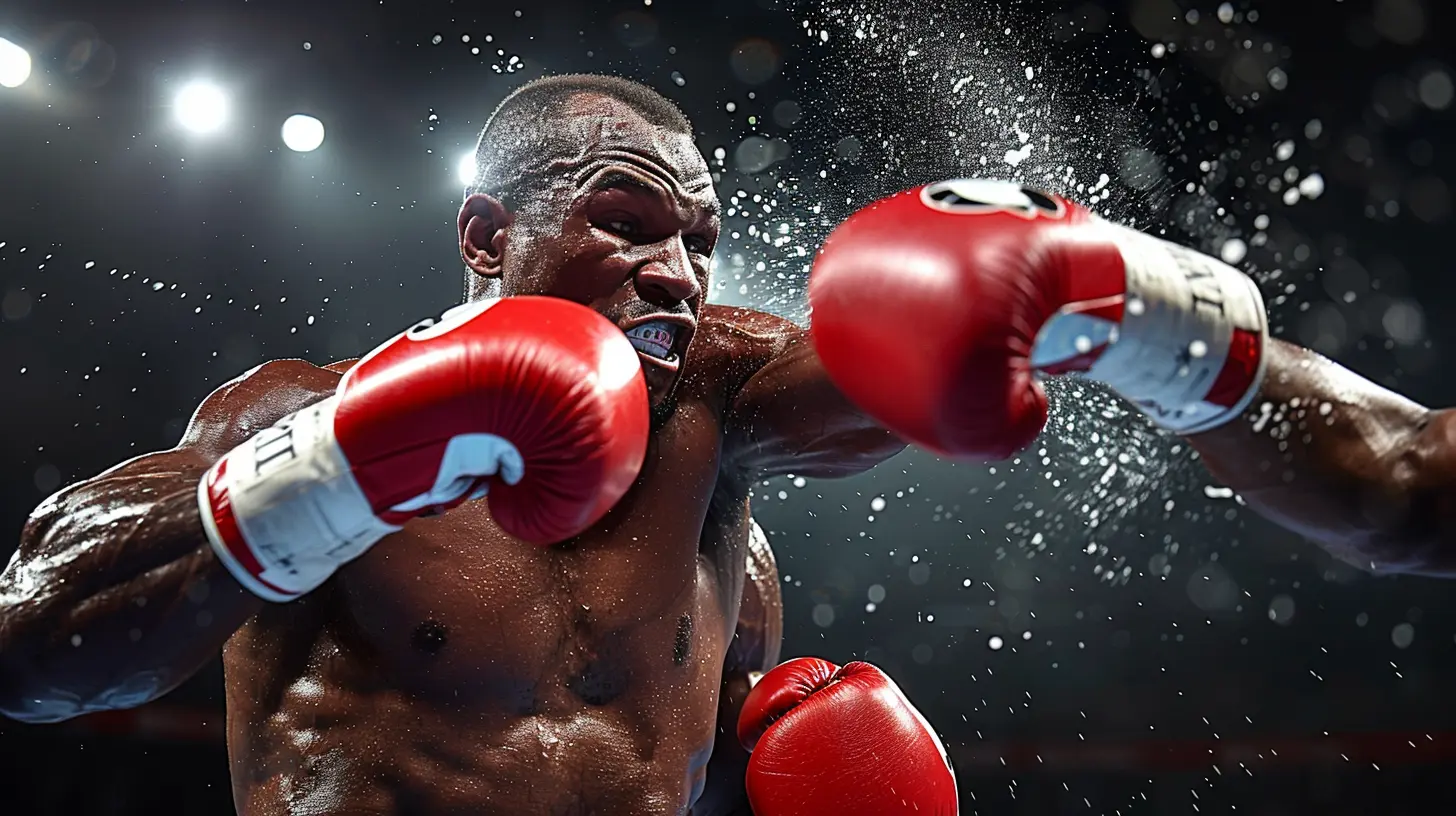
The Olympic Boxing Format
So how does Olympic boxing actually work? Let’s break it down.Weight Classes
Both men and women compete across multiple weight categories, which has been adjusted over the years to promote fairness and equality. Every bout is paired with fighters in the same weight range to ensure no one has a size advantage.As of the most recent Games:
- Men’s divisions: 8 weight classes.
- Women’s divisions: 5 weight classes.
The Scoring System
Olympic boxing uses a point-based judging system. Five judges sit ringside and score the fighters round-by-round based on:- Clean punches landed
- Defense and ring generalship
- Technical and tactical superiority
And it’s not just subjective anymore. Thanks to technology, everything is reviewed more precisely now. Remember the old days where a controversial decision would spark outrage? Yeah, no more of that (mostly).
Protective Gear: Yes or No?
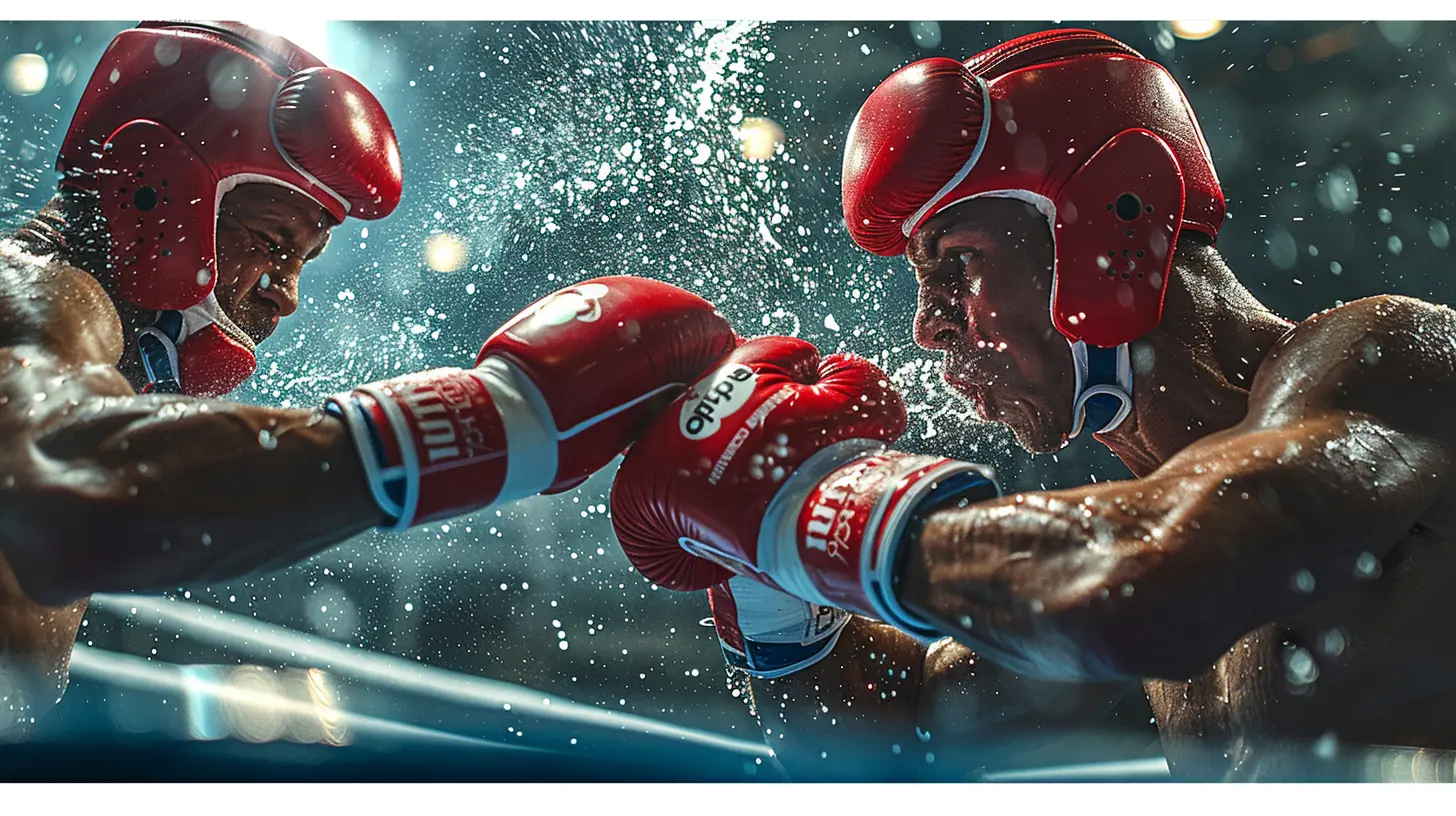
You might have noticed that headgear disappeared for male Olympic boxers in 2016. Why? It turns out that removing headgear actually reduced concussions. Strange, huh?Women still wear them for now, but this too might evolve in future games.
The Road to the Olympics: Not for the Faint of Heart
Getting to the Olympics isn’t as simple as signing up and showing up. Fighters must battle through regional qualifiers, world championships, and national trials. It’s an emotional, physical, and psychological grind.Some boxers train for over a decade just to get one shot on the Olympic stage. Imagine chasing a dream for 12 years, only to have it all come down to a single 9-minute match. It’s intense... and inspiring.
Famous Olympic Boxers Who Went Pro
The Olympics is often a stepping stone to greatness. Some of the biggest legends in boxing history got their first taste of fame with a gold medal around their neck.Here are just a few:
- Muhammad Ali (1960, Rome): Went on to become the greatest heavyweight of all time.
- George Foreman (1968, Mexico City): Later regained the heavyweight title at age 45.
- Lennox Lewis (1988, Seoul): Unified the heavyweight division as a pro.
- Claressa Shields (2012 & 2016): The first American boxer—male or female—to win back-to-back golds. Dominance in and out of the ring.
If you’re into boxing history, it’s like watching superheroes' origin stories.
Olympic Boxing vs Professional Boxing: What’s the Difference?
You might be wondering—how is Olympic boxing different from the stuff you see on pay-per-view?Here’s the breakdown:
| Aspect | Olympic Boxing | Professional Boxing |
|-------------------------|----------------------------------|----------------------------------|
| Length of Bouts | 3 rounds | Up to 12 rounds |
| Scoring System | Point-based, technical scoring | Overall strength, aggression, and damage |
| Gloves | Bigger, more padding | Smaller, more impact |
| Headgear | Yes (women) / No (men) | No headgear |
| Career Stage | Amateur athletes | Career professionals |
Olympic boxing favors speed, skill, and ring IQ, while professional boxing often rewards endurance, power, and showmanship.
Why "The Sweet Science"?
So why is boxing called The Sweet Science? Because it’s not just about swinging fists. It’s a chess match with gloves on. In Olympic boxing, this becomes even more apparent due to the laser focus on technique and timing.Fighters must combine footwork, angles, counters, and defense into a graceful yet gritty dance. One wrong move, one missed block, and it could all be over. And that’s the beauty of it.
The Global Impact of Olympic Boxing
Olympic boxing isn’t just a sport—it’s a spotlight. For many countries, especially those with limited exposure to pro boxing markets, this is the one time their fighters get seen and celebrated on a global level.Think about it. A kid boxing in a makeshift gym in Cuba or the Philippines has a shot at Olympic glory. The Games level the playing field like no other competition.
Cuba: The Kings of Amateur Boxing
Speaking of Cuba, let's talk about dominance. Cuban boxers have been tearing it up in Olympic rings for decades. With a system that prioritizes amateur competition over turning pro, Cuba consistently produces some of the most technically gifted fighters on the planet.Names like Teófilo Stevenson and Félix Savón are etched in Olympic lore, each winning multiple gold medals without ever going pro.
It’s a reminder that greatness doesn’t always need million-dollar contracts.
Underdogs and Cinderella Stories
The Olympics are also known for their surprises. Every Games, there’s that one fighter no one saw coming who punches their way to the finals, capturing hearts and headlines along the way.It’s these unlikely heroes—the ones who defy odds, overcome personal battles, and fight with every ounce of spirit—who epitomize the Olympic dream.
The Future of Olympic Boxing
Like everything else, Olympic boxing is evolving. Discussions are ongoing about:- Adding more women’s divisions to ensure gender parity.
- Introducing more tech to assist judges.
- Allowing professionals to compete (some already did in Rio and Tokyo).
- Enhancing safety protocols to protect fighters.
But at its core, one thing’s certain—the sweet science will always have a place on the world stage.
Why You Should Watch Olympic Boxing
Still need convincing?Here’s the deal: Olympic boxing is raw talent, pure passion, and global storytelling rolled into one. Every punch tells a story. Every match is a battle of heart and will. And every champion, win or lose, walks away forever changed.
It’s more than a sport. It’s human drama, written in sweat and spirit.
So next time the Summer Games roll around, make sure to tune in. Watch closely. Cheer loudly. And maybe, just maybe, you’ll witness the beginning of the next boxing legend.
all images in this post were generated using AI tools
Category:
OlympicsAuthor:

Easton Simmons
Discussion
rate this article
2 comments
Melody McLaughlin
What an exciting look at Olympic boxing! The blend of skill, strategy, and sheer determination truly embodies the spirit of the Games. Can’t wait for the upcoming matches!
March 1, 2026 at 5:24 AM
Easton Simmons
Thank you! I'm glad you enjoyed the article. The excitement of Olympic boxing is truly unmatched, and I share your anticipation for the upcoming matches!
Oberon Luna
Beneath the bright lights and roaring crowds, Olympic boxing unveils hidden battles of spirit and strategy. What secrets lie in the corners, waiting to shape champions' destinies?
February 3, 2026 at 3:57 AM
Easton Simmons
Thank you for your insightful comment! Indeed, Olympic boxing reveals the profound resilience and tactical depth that define true champions.