Mountain Resorts with the Best Snow Parks in 2027
19 October 2026
Snow parks have quietly become one of the most important pieces of the modern mountain resort experience. For a growing share of skiers and riders, the terrain park is not a side attraction to check out on the last afternoon of a trip. It is the reason they chose the resort in the first place. Families with progressing kids, freestyle athletes training for competition, and weekend riders who would rather lap a creative jump line than bomb a groomer all plan their winters around park quality.
That shift has forced resorts to invest seriously. Parks that were once an afterthought maintained by a small crew with a snowcat and a handful of rails have evolved into sophisticated operations with dedicated designers, summer build plans, and features that rival what you see in video parts. Looking ahead to the 2027 season, a handful of resorts stand out not just for the size of their parks but for how thoughtfully they are built, maintained, and integrated into the mountain as a whole.
This guide breaks down the resorts most likely to define park riding in 2027, explains what separates a genuinely great park from a merely large one, and gives you the practical context to decide where your next trip should go. It is written for people who care about the difference between a park that looks good in an edit and a park that actually rides well.
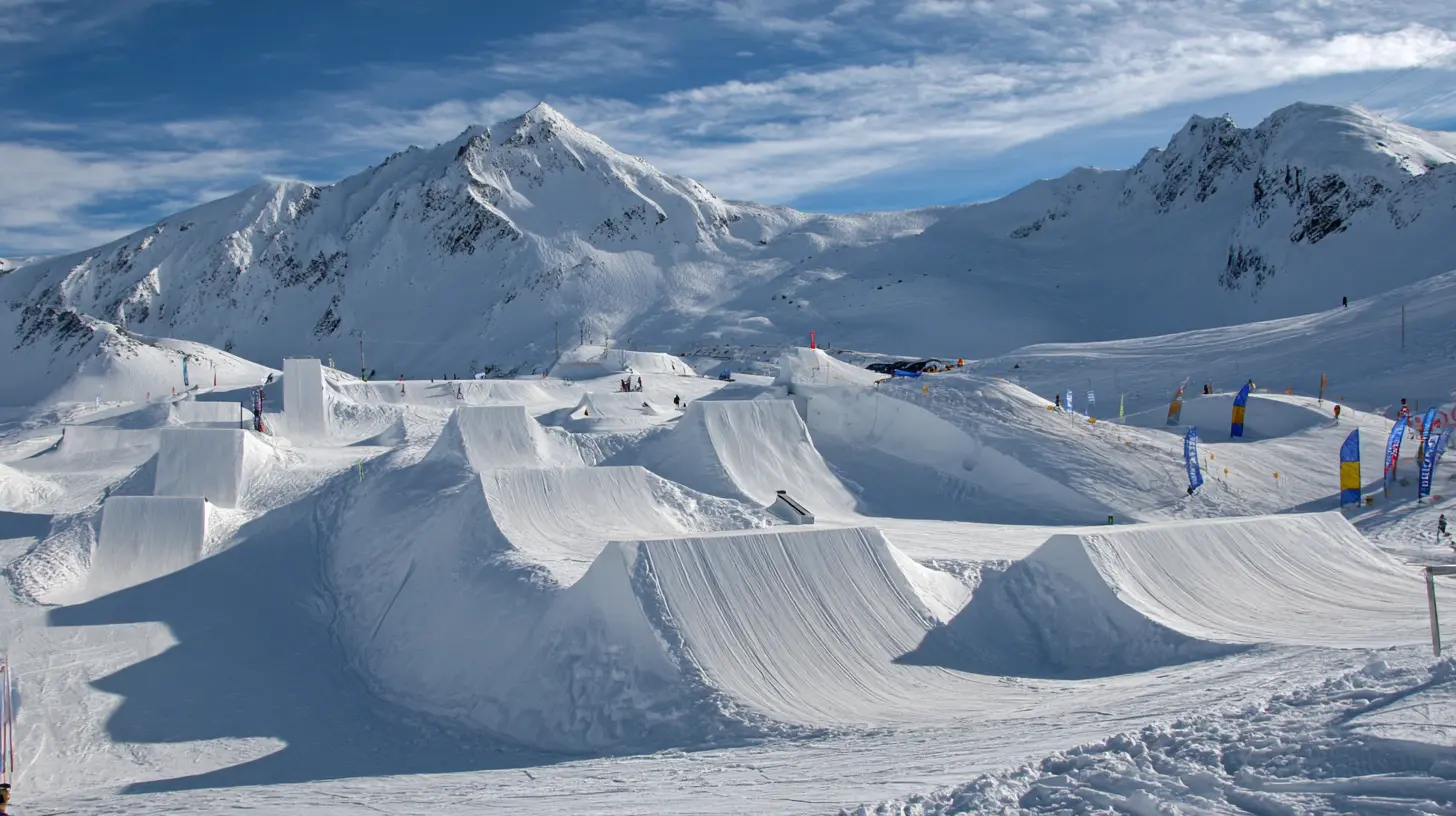
What Actually Makes a Snow Park Great
Before naming resorts, it is worth being precise about the criteria. Park quality is often reduced to feature count, which is a poor measure. A park with forty features can ride worse than one with fifteen if the layout is cramped, the landings are poorly shaped, or the flow forces riders into awkward speed checks.Design and Flow
The best parks are designed as lines, not as collections of obstacles. A well-built jump line lets a rider carry speed from the first hit through the last without scrubbing or hiking. Rail lines should offer options at different difficulty levels in the same corridor so that a group of mixed-ability friends can ride together. When you see a park where every feature seems to set up the next one naturally, that is deliberate design work, usually done by people who ride themselves.Snow Quality and Maintenance
Freestyle features demand specific snow conditions. Jumps need consistent, well-shaped lips and landings that are groomed with precision, often with a winch cat and hand work. Rails need firm, stable bases so they do not shift or sink. Resorts that maintain parks daily, and that have the snowmaking capacity to rebuild after warm spells, consistently outperform resorts that treat park grooming as a lower priority than the rest of the mountain. This is one of the most underrated factors when riders compare resorts, and it is a major reason why some famous parks develop reputations that no longer match reality.Progression and Inclusivity
A great park system serves more than experts. The strongest resorts build separate zones: a beginner area with low, wide features and gentle rollers, an intermediate line with medium jumps and approachable rails, and an advanced or expert line for athletes. This progression structure matters because it lets a rider develop over a season or a trip rather than being thrown into terrain that is either boring or dangerous.Terrain and Setting
Park design interacts with the mountain. A park on a wide, gently pitched slope with reliable snow and good sun exposure will always outperform a park squeezed onto a steep, shaded pitch. Resorts with natural advantages here, plus the budget to exploit them, tend to lead.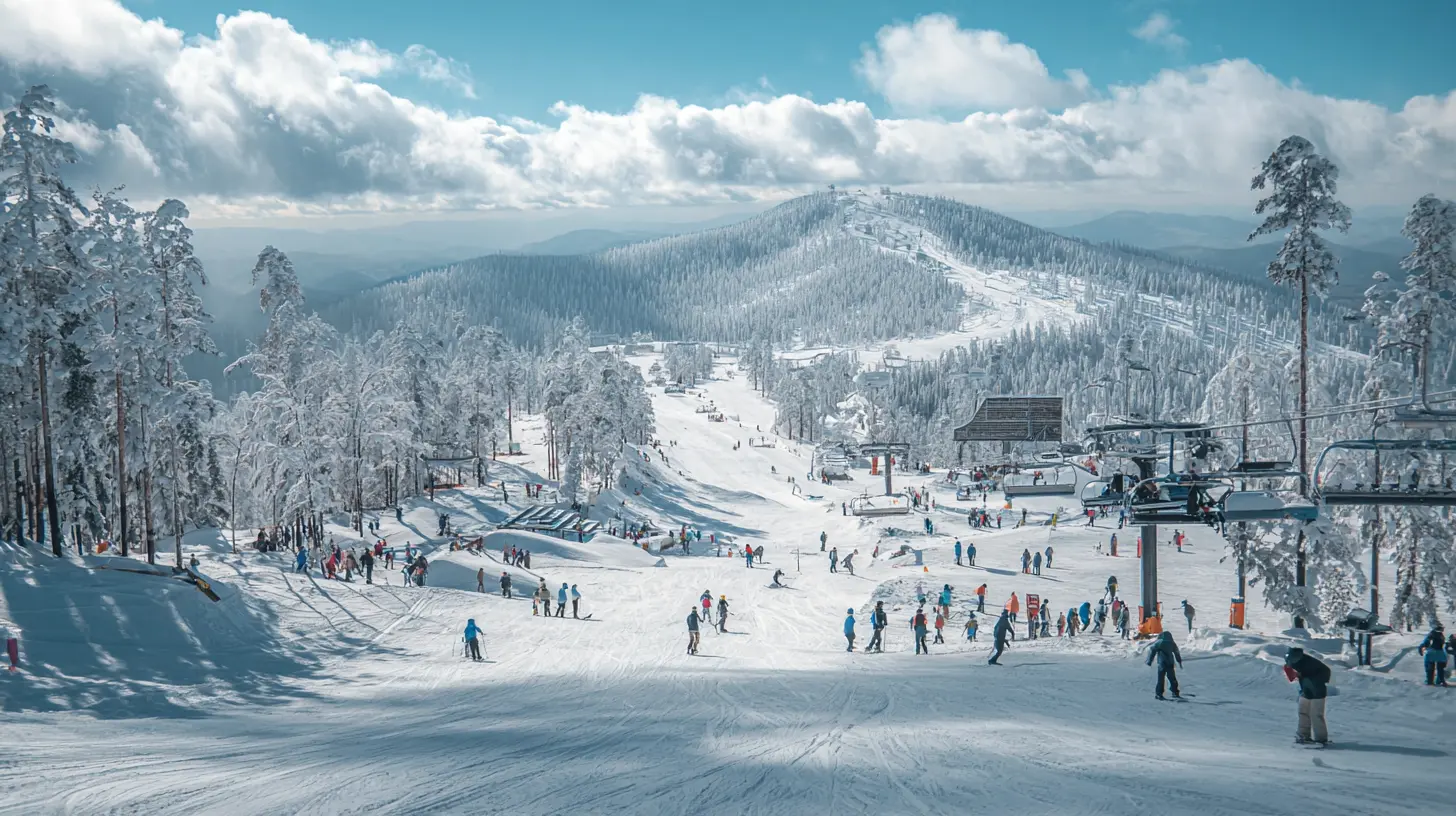
The Resorts to Watch in 2027
The following resorts are highlighted for their park programs, their investment trajectory, and their reputation among freestyle riders. Projections for 2027 are based on established programs and announced or expected investments, and where specifics are uncertain they are described as likely rather than certain.Mammoth Mountain, California
Mammoth has one of the longest and most consistent park traditions in North America. Its Unbound terrain park system spreads across the mountain and includes dedicated progression zones, a competition-grade jump line, and one of the deepest rail selections anywhere. What sets Mammoth apart is the length of its season and the reliability of its snow, which means the park crew can build and refine features over many months rather than rushing a short window.For 2027, expect Mammoth to remain a benchmark for volume and variety. The resort's investment in snowmaking and grooming infrastructure supports park maintenance even in lean snow years, which is a meaningful advantage as climate variability affects lower-elevation resorts. If you want a trip where the park is the centerpiece and you can ride it from early season into late spring, Mammoth is hard to beat.
One trade-off: the park system is so large that it can feel spread out, and first-time visitors may spend a day just figuring out which zones suit them. Study the trail map before you go and ask staff which lines match your level.
Park City Mountain, Utah
Park City's park program is among the most extensive in the world, with multiple parks of varying difficulty and a strong reputation for grooming and feature creativity. The resort's scale means it can dedicate significant resources to park building while still serving the rest of the mountain, and its proximity to a major town makes it easy to combine a park-focused trip with everything else a ski town offers.The key strength here is progression. Park City's system includes small, medium, and large parks plus dedicated learning areas, which makes it an excellent choice for families or groups with mixed ambitions. A parent can ride mellow features with a beginner while a more advanced rider laps the bigger lines, and everyone meets for lunch.
The trade-off is crowds. Popular parks at a resort this busy can see heavy traffic on weekends and holidays, which affects both safety and the quality of the snow on landings. If you are serious about park laps, aim for midweek and early mornings.
Woodward Park City, Utah
Woodward deserves separate mention because it represents a different model. Rather than a traditional resort park, Woodward is built around progression across snow and year-round facilities, including indoor training space. For 2027, this model is likely to keep influencing how resorts think about park design, because it treats freestyle skills as something to be developed systematically rather than stumbled into.If your goal is to improve quickly, especially as a beginner or intermediate park rider, Woodward-style facilities offer structured progression that traditional resorts rarely match. The trade-off is that the snow terrain is smaller in scale than what you find at a major destination resort, so advanced riders seeking massive jump lines may find it limiting. The ideal use is a dedicated skills trip or a complement to days at a larger mountain.
Whistler Blackcomb, British Columbia
Whistler Blackcomb has long been a heavyweight for park riding, with a dedicated park zone and a reputation for well-shaped jumps and creative features. Its snow reliability and terrain variety give the park crew excellent raw material, and the resort's international draw means the park is held to a high standard.For 2027, Whistler is likely to remain one of the strongest park destinations in North America, particularly for riders who want big-mountain riding and park laps in the same trip. The trade-off is weather. Coastal snow can be heavy and variable, which affects how features ride from day to day. Park crews manage this well, but riders should expect conditions to change and plan accordingly.
Laax, Switzerland
In Europe, Laax has built one of the most respected park systems on the continent. Its park is designed with clear progression lines and a strong competition pedigree, and the resort has invested in shaping and maintenance to a degree that few European resorts match. For riders based in Europe, Laax is often the default answer to the question of where to go for serious park riding.The 2027 outlook is strong, with Laax likely to continue refining its park layout and hosting events that keep its crew sharp. The trade-off for North American riders is travel cost and logistics, but for a dedicated park trip, the quality justifies the journey.
Perisher, Australia
For Southern Hemisphere riders, or for anyone planning a summer park trip, Perisher offers one of the most complete park programs in Australia. Its terrain parks span multiple ability levels and the resort has a long history of supporting freestyle riding. For 2027, Perisher is a reasonable bet for a well-maintained park system during the northern summer.The trade-off is scale and snow variability. Australian resorts operate in a challenging snow environment, and park features depend heavily on snowmaking and favorable conditions. Check conditions carefully before committing to a trip, and treat the park as one part of a broader experience.
Copper Mountain, Colorado
Copper Mountain has quietly become one of the best park resorts in Colorado, with a dedicated park area and a strong reputation for progression-friendly design. Its park crew is well regarded, and the resort's layout makes it easy to lap park features without crossing the whole mountain.For 2027, Copper is likely to remain a favorite for riders who want quality without the intensity of the biggest destination resorts. The trade-off is that Copper's park scale is smaller than Park City's or Mammoth's, so riders seeking the largest feature selection may want to look elsewhere. For most riders, though, Copper's balance of quality, access, and value is compelling.
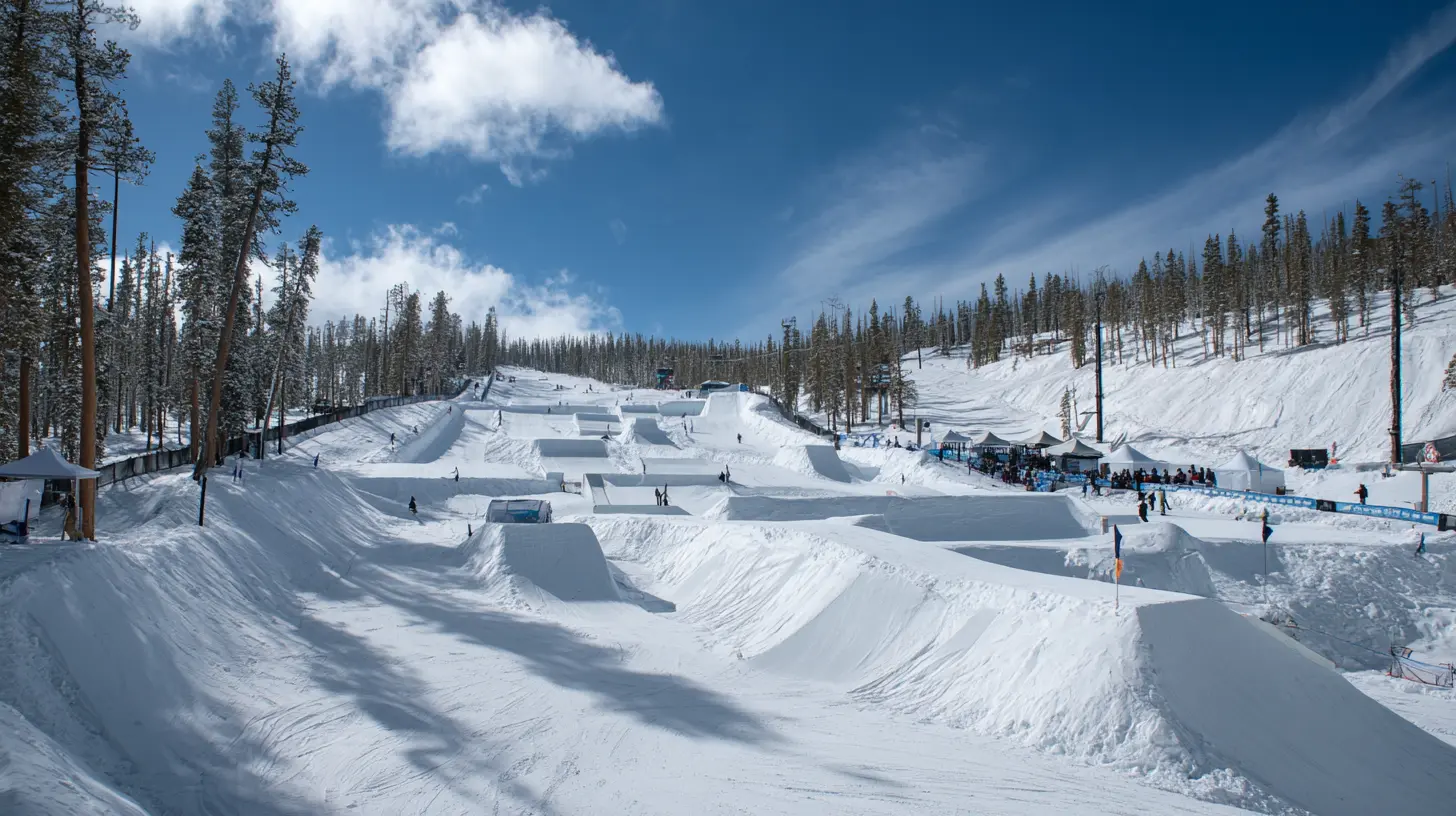
How to Evaluate a Resort's Park Before You Book
Resort marketing makes every park sound world-class. Here is how to cut through it.Look at Recent Footage, Not Old Edits
Park quality changes. A resort that was excellent five years ago may have shifted priorities, and one that was mediocre may have hired a new crew and rebuilt its program. Look for footage from the most recent season, ideally from ordinary riders rather than only from sponsored athletes, since edits tend to showcase the best features in the best conditions.Check Maintenance Signals
Resorts that care about parks talk about grooming schedules, snowmaking investment, and crew credentials. If a resort's park information is vague or clearly outdated, that is a signal. Look for whether the resort publishes a park report, similar to a snow report, that details which features are open and their condition. This practice is increasingly common and is a strong indicator of a serious program.Ask About Progression Structure
If you are traveling with riders of different levels, confirm that the resort has separate beginner and intermediate park zones. A single park with a mix of features forces beginners into terrain that may be too advanced and experts into terrain that is too crowded.Consider Timing and Crowds
Park quality is partly a function of traffic. Freshly groomed features ride best early in the day, and popular parks get tracked out quickly. If you can, plan park sessions for weekday mornings and avoid holiday periods at the busiest resorts.
Common Mistakes Park Riders Make
Even experienced riders fall into patterns that limit their progress or enjoyment. A few stand out.Chasing Feature Count
Riders often choose resorts based on how many features a park has. In practice, a well-designed line of ten features rides better than a cluttered collection of thirty. Prioritize design and maintenance over volume.Ignoring Snow Conditions
Park features ride very differently depending on temperature, snow moisture, and how recently they were groomed. A jump that is perfect at 9 a.m. can be slow and grabby by afternoon. Learning to read conditions and adjust your approach is as important as any technical skill.Skipping Progression Zones
Many riders jump straight to advanced features because they look impressive, then struggle and lose confidence. Progression zones exist for a reason. Spending time on smaller features to dial in technique pays off far more than forcing bigger terrain prematurely.Overlooking Park Etiquette
Park safety depends on shared norms: calling your drop, waiting your turn, clearing landings, and not stopping where you are hard to see. Resorts with strong park cultures enforce these norms, and riders who ignore them create risk for everyone. If you are new to parks, ask about local rules before you drop in.What to Expect in 2027
A few trends are likely to shape park riding in the coming seasons.Investment in snowmaking and grooming technology will continue to separate the best parks from the rest, especially as snow reliability becomes less predictable. Resorts that can maintain features through warm spells will hold their reputations.
Progression-focused design will keep spreading. The Woodward model and similar approaches have shown resorts that structured progression attracts families and beginners, not just experts, and that broadening the park audience is good business.
Park reporting and transparency will improve. Riders increasingly expect detailed information about feature conditions, and resorts that provide it will earn trust.
Competition and events will remain important, but the bigger story is everyday park quality. Most riders are not competing. They want well-built features, sensible progression, and a park that is maintained day in and day out.
Final Thoughts
Choosing a mountain resort for its snow park comes down to matching your goals with what a resort actually delivers. If you want the largest and most varied park system, Mammoth and Park City are the safest bets. If you want structured progression, Woodward-style facilities are worth the trip. If you want quality without the crowds, Copper and Laax reward the effort. And if you are planning a summer park session, Perisher is a solid option in the Southern Hemisphere.The best park resort for you is the one whose design, maintenance, and progression structure fit how you actually ride. Do the research, check recent conditions, and plan your sessions for when the features are freshest. That combination will do more for your riding than any single feature ever will.
all images in this post were generated using AI tools
Category:
SnowboardingAuthor:

Easton Simmons