Live Trackside Takeaways from the 2026 Formula One Showdown
21 September 2026
There is a specific smell at a Formula One circuit that television simply cannot transmit. It is a blend of hot brake material, vaporized rubber, and something faintly sweet from the fuel and oil being burned a few hundred meters away. If you have only ever watched races through a screen, you have experienced maybe forty percent of what the sport actually offers. The 2026 season, with its overhauled power units and active aerodynamics, has made the gap between the broadcast product and the live experience wider than at any point in recent memory.
I spent the opening rounds of this championship trackside, not in a hospitality suite with a chilled towel, but in the places where the sport actually happens. General admission banks. Fence lines. A paddock pass borrowed for two sessions. A pit lane walk that turned into a forty minute conversation with a mechanic who was willing to talk once his car was back in the garage and the panic had subsided.
What follows is not a race report. You can find those anywhere. This is what the 2026 regulations actually look like and sound like when you are standing close enough to feel the compression wave of a car passing at two hundred miles per hour, and what those observations mean for anyone trying to understand where this championship is heading.
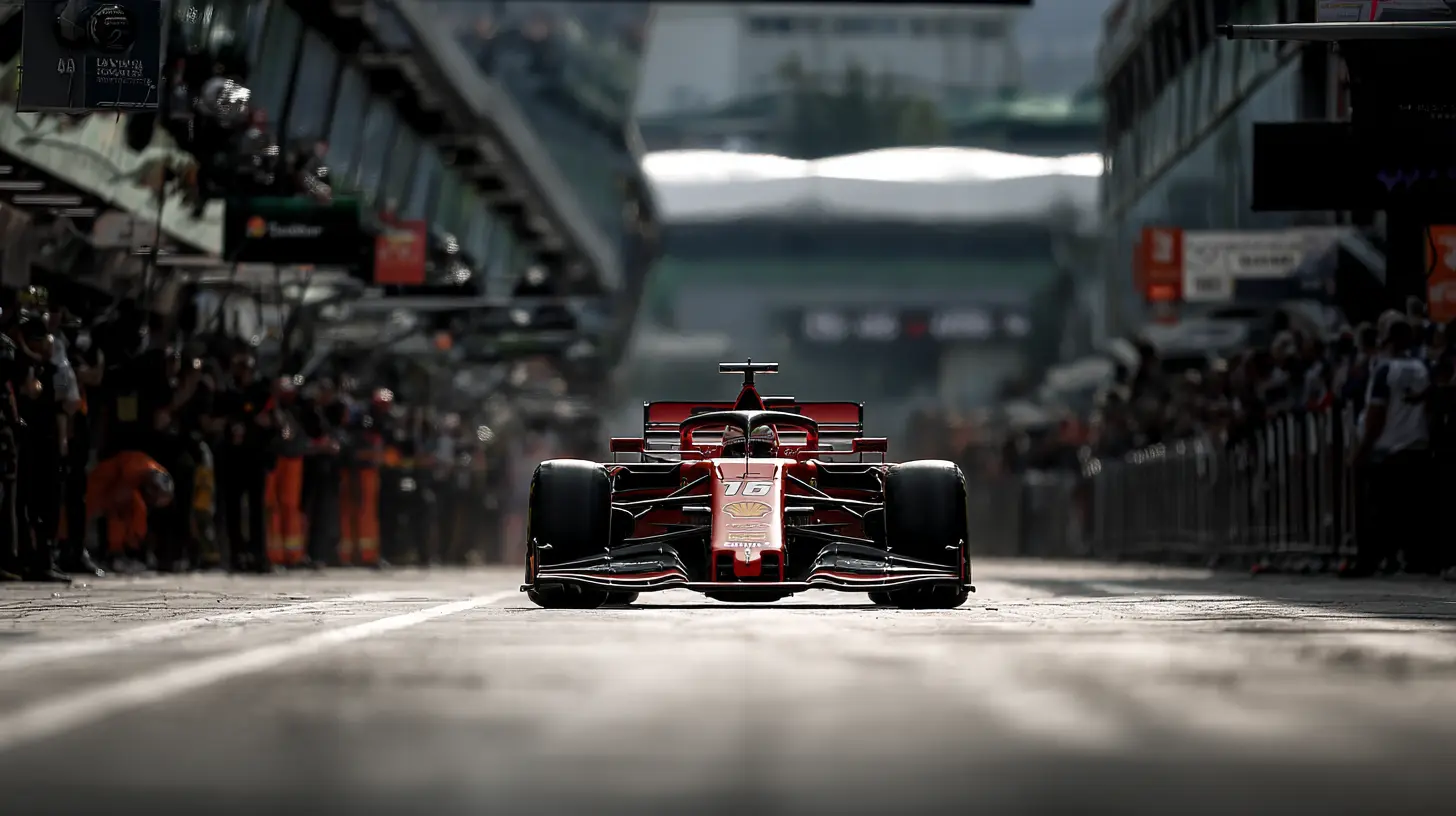
Why 2026 Looks and Sounds Different Up Close
The 2026 technical regulations are the most significant reset in over a decade. The power units now split their output roughly fifty fifty between the internal combustion engine and the electrical component, and the MGU-K harvests energy in a way that fundamentally changes how a lap is driven. From the grandstand, the most obvious consequence is not speed. It is rhythm.The Sound of Half Electric
The cars do not scream the way they did in the V10 era, and anyone who tells you they do is selling nostalgia. What they do instead is something more interesting. There is a mechanical growl from the combustion side, layered under a rising electrical whine that shifts pitch as the driver deploys energy. When a car lifts and the harvest kicks in, the note drops and flattens, almost like a turbine spinning down. Then, two corners later, it snaps back.Television microphones compress all of this into a single blur. Trackside, you can hear individual cars in a train of three. You can hear which one is deploying and which one is saving. That distinction matters enormously in 2026 because energy management is now a primary overtaking tool, not a secondary one.
Active Aero in the Real World
The moveable front and rear wings have been the subject of endless debate. In person, the visual effect is subtler than the headlines suggest, but the aerodynamic consequence is not. You can see a car transition from high downforce to low drag configuration in the braking zone, and the way it settles or refuses to settle tells you almost immediately whether that team has understood the regulation.At one circuit with a long straight followed by a heavy braking zone, I watched two cars from different teams approach the same corner. One stayed planted. The other twitched, corrected, and lost roughly a tenth. That tenth was not a driver error. It was a setup decision made three hours earlier, and it was visible from a fence line to anyone paying attention.
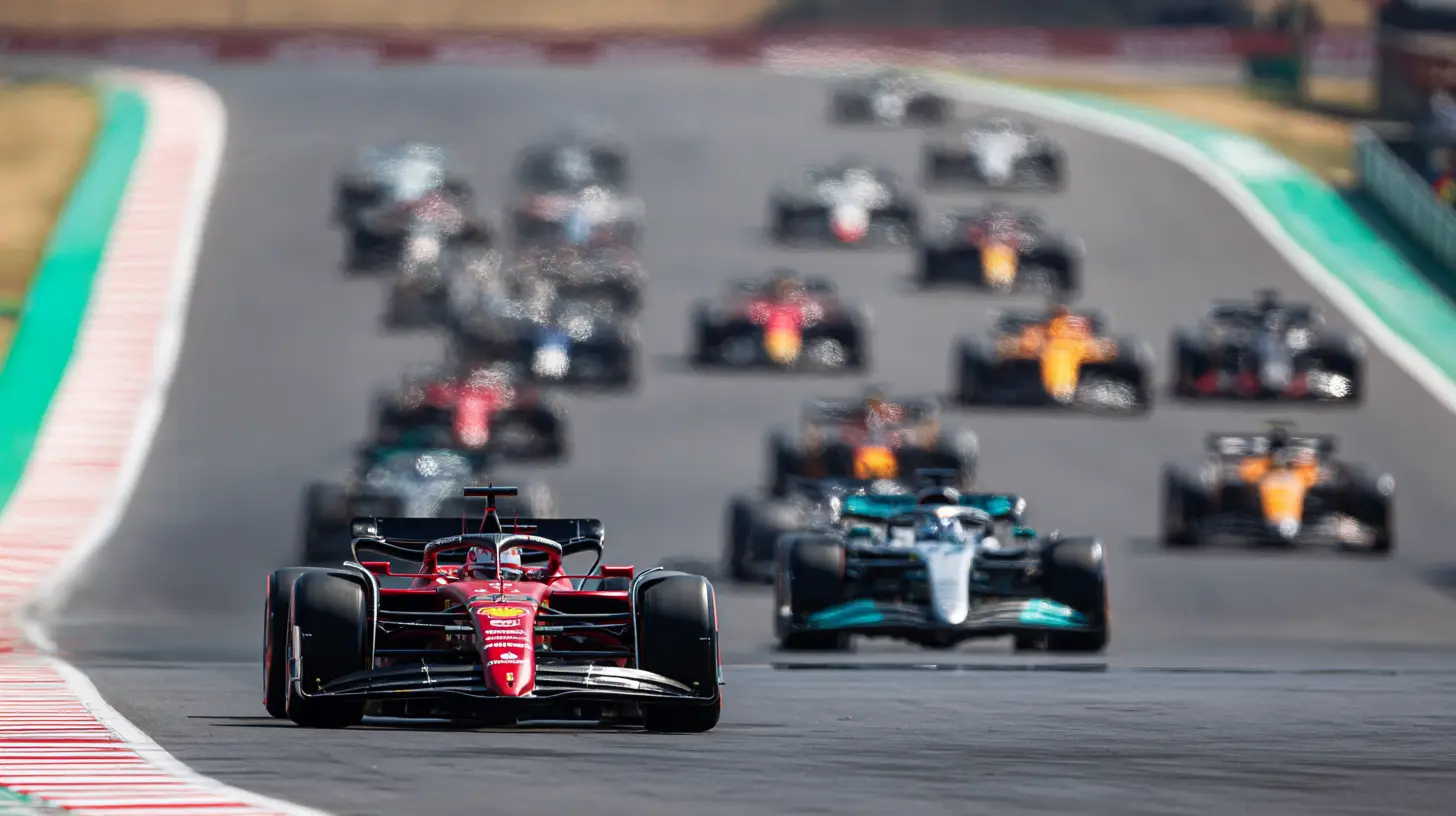
The Trackside Details Broadcasts Miss
If you want to understand a race, the television feed is genuinely excellent at showing you the battle for the lead. It is genuinely terrible at showing you why the battle for the lead is happening. Here is what you see in person that never makes the broadcast.Tire Degradation Is Visible Before It Is Measured
Engineers rely on lap time deltas and thermal imaging. From the stands, you get something cruder but faster. You can see the moment a front left starts to go off because the car begins to understeer into slow corners in a way that looks lazy rather than aggressive. The driver's hands get busier. The car stops rotating on entry.This matters because the broadcast will tell you a driver is "struggling" two laps after you already saw it. If you are watching live, you are effectively running a few laps ahead of the commentary. That is an enormous advantage if you are trying to predict a pit window.
Pit Stops Are a Choreography, Not a Statistic
A two point four second stop looks like a blur on television. Standing near the pit wall, you see the sequence. The jack man commits before the car has fully stopped. The wheel gunners are already in motion. The front wing adjuster is watching the driver's hands, not the car.What you notice is how much of a stop is decided before the car arrives. Teams that practice the transition from pit entry to the box, not just the stop itself, consistently gain two to three tenths. That is not a pit crew talent issue. It is a process design issue, and it is one of the most underrated competitive advantages on the grid.
The Undercut Is a Communication Problem
Everyone knows what an undercut is. Far fewer people understand that the decision to attempt one is usually made by an engineer watching a screen, relayed to a strategist, and then communicated to a driver who is simultaneously managing tires, energy, and traffic. The failure mode is not bad math. It is latency.Trackside, you can sometimes hear the radio traffic if you are close enough to a team's pit wall and the ambient noise drops. The best teams give their drivers a two lap warning. The worst teams give a one corner warning and then wonder why the driver does not commit.
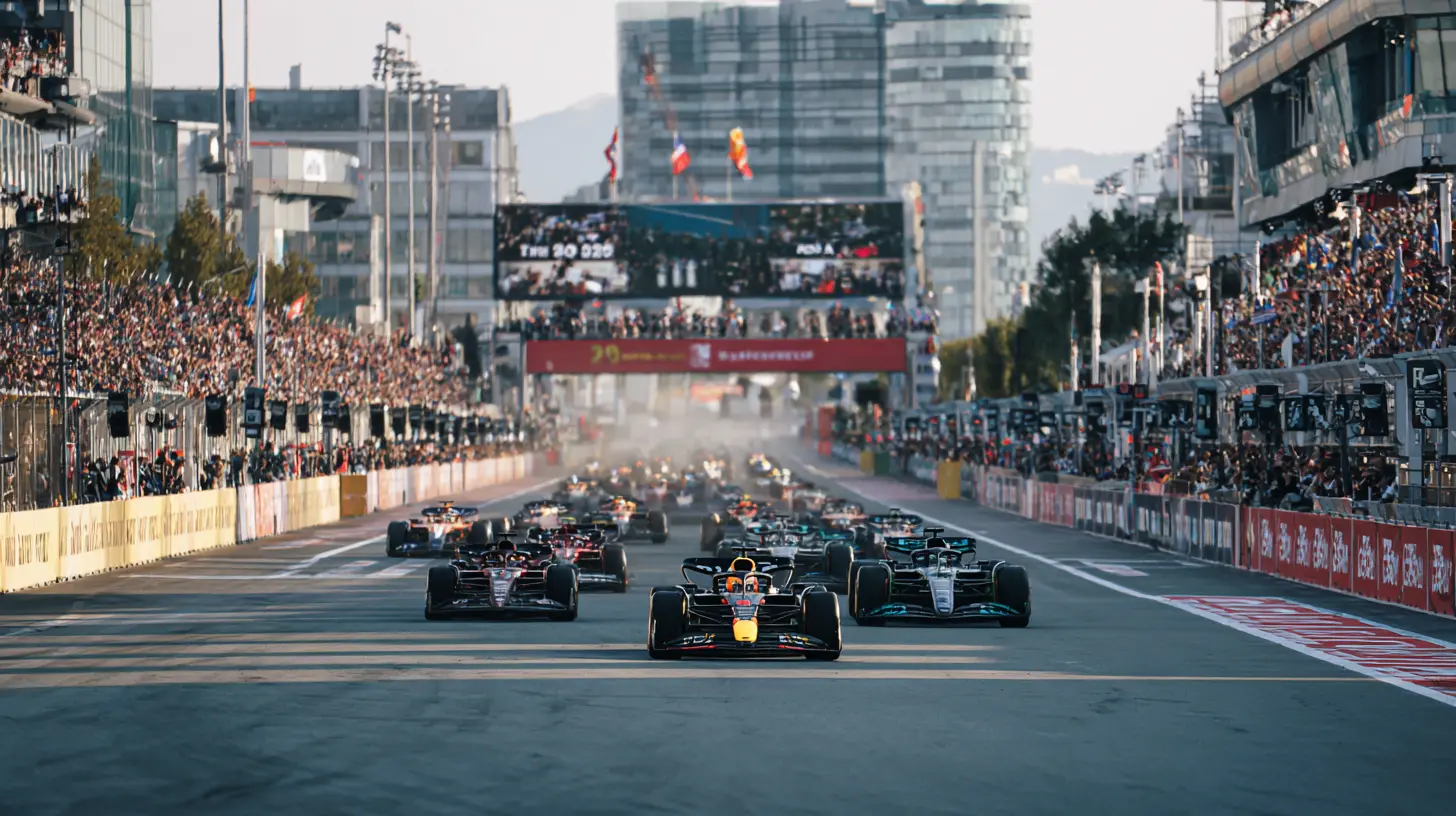
What the 2026 Cars Demand from Drivers
The regulation change has quietly reshuffled the driver hierarchy. Raw qualifying pace still matters. But the 2026 cars reward a very specific skillset that is not identical to what the previous generation rewarded.Energy Management as a Driving Skill
In previous eras, a driver could largely drive flat out and let the engineers worry about fuel and brakes. In 2026, the driver is an active participant in energy strategy. Lifting at the right point, deploying at the right point, and choosing when to sacrifice a corner for a straight is now part of the job.The drivers who have adapted fastest are not necessarily the ones with the most natural speed. They are the ones who can hold a mental model of the entire lap while simultaneously fighting a car that is changing balance as the battery state shifts. That is a genuinely difficult cognitive task, and it explains why some veteran drivers have looked more comfortable than expected while some younger, faster drivers have taken longer to adjust.
Braking Has Changed
The increased electrical harvesting means the rear of the car behaves differently under braking. There is more retardation available from the MGU-K, but it is not always consistent. Drivers who trail brake aggressively have had to recalibrate. Drivers who brake in a straight line have found the transition easier.This is a trade-off, not a clear win. Aggressive trail braking still generates lap time in slow corners. But it now carries a higher risk of unsettling the rear, especially when the battery is full and harvesting is limited. The best drivers have developed a feel for battery state that lets them modulate their braking style corner by corner.
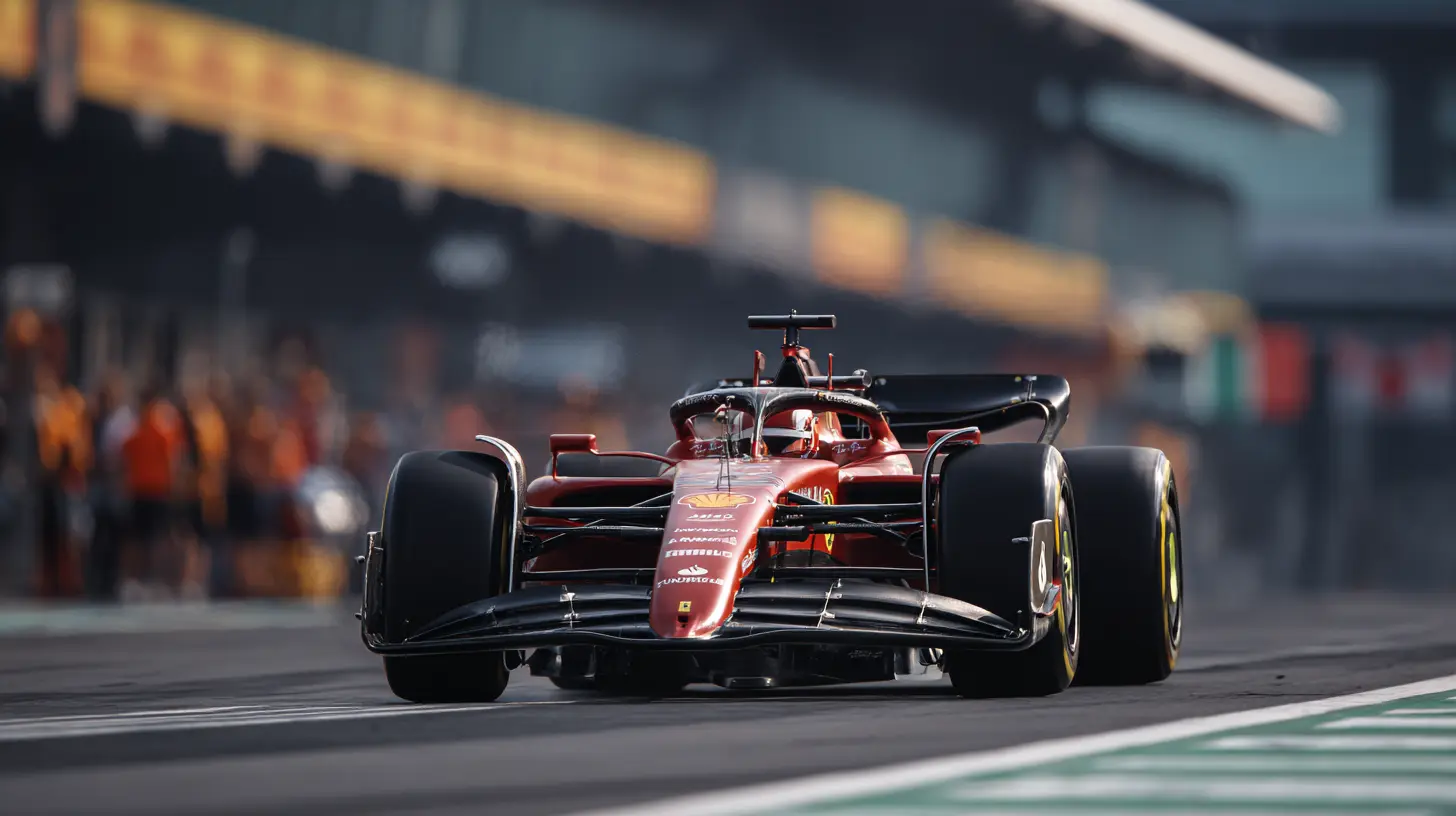
Practical Advice for Watching a Race Trackside
If you are planning to attend a race in 2026 or beyond, the experience rewards preparation. Here is what actually helps.Choose Your Corner by Regulation, Not by Reputation
The famous corners are famous for a reason, but they are not always the best places to watch a 2026 car. You want a corner that combines a heavy braking zone with a slow exit, because that is where energy deployment and tire management become visible. A fast sweeper looks spectacular but tells you very little about the racing.Bring Binoculars and a Radio
The broadcast commentary is genuinely useful, but the team radios and timing screens available through a scanner or app give you context the commentary does not. Combine the two. Watch the corner with your eyes, then check the timing screen to confirm what you thought you saw.Walk the Circuit During Practice
Race day is for watching. Practice is for understanding. Walk to three or four different corners during a practice session and compare what the cars do at each. You will learn more about the 2026 regulations in ninety minutes of walking than in a full season of watching on television.Common Misconceptions About the 2026 Season
A few ideas have taken hold that do not survive contact with the actual racing."The Cars Are Slower, So the Racing Is Worse"
Slower lap times do not automatically mean worse racing. The 2026 cars are slower in some corners and faster in others, and the racing has been arguably closer because the energy deployment creates overtaking opportunities that did not exist before. Speed is one variable among many."Active Aero Makes It Too Easy to Pass"
The opposite has been true at several circuits. Because both the attacking and defending car can adjust their wings, the defender can run a lower drag configuration on the straight and make the pass harder. The system has added a new layer of strategic depth, not removed one."The Regulations Are Settled"
They are not. Teams are still learning the tires, the energy deployment maps, and the aerodynamic platform. The pecking order in round one is not the pecking order in round ten. Anyone drawing firm conclusions from early results is likely to be wrong.
What to Watch for in the Coming Rounds
The championship will likely be decided by three factors: how quickly each team converges on the optimal energy deployment strategy, how well each driver manages the cognitive load of the new regulations, and how effectively each team's pit wall communicates under pressure.The teams that treat 2026 as a learning problem rather than a performance problem will win. That sounds counterintuitive, but it is the consistent pattern in every major regulation change in the sport's history. The early races reward adaptation, not raw pace.
If you get the chance to attend a race this season, take it. Stand near a braking zone. Listen to the cars. Watch the wings. You will come away with a completely different understanding of what this championship actually is.
all images in this post were generated using AI tools
Category:
Live CommentaryAuthor:

Easton Simmons
Discussion
rate this article
1 comments
Mira Tucker
Formula One in 2026: where tire smoke meets drama and speed. Watching trackside is like attending a high-speed soap opera, minus the commercial breaks... and with way more noise!
September 21, 2026 at 2:44 AM