Live Match Reaction to Soccer’s Unexpected Red Card Twist
20 October 2026
There is a specific kind of silence that falls over a stadium when the referee reaches for his back pocket. It is not the silence of boredom or the hush before a goal. It is a collective intake of breath, a moment of suspended disbelief where sixty thousand people simultaneously recalibrate everything they thought they knew about the match unfolding in front of them. I have stood in press boxes and on touchlines for two decades, and that moment never loses its power. The red card is soccer's most dramatic single event, a decision that can flip a result, reshape a season, and sometimes alter the trajectory of a player's career. When it arrives unexpectedly, when the match script is torn up in a heartbeat, the reaction that follows tells you everything about the teams involved.
This piece is a live reaction in the broader sense. It is my analysis of what happens in those chaotic minutes after an unexpected sending off, why some teams collapse and others galvanize, and how you can read the game more intelligently when the numbers change. Whether you are a coach preparing your squad for adversity, a player learning to manage emotional pressure, or a supporter trying to make sense of what just happened, the aftermath of a red card offers a masterclass in soccer's hidden mechanics.
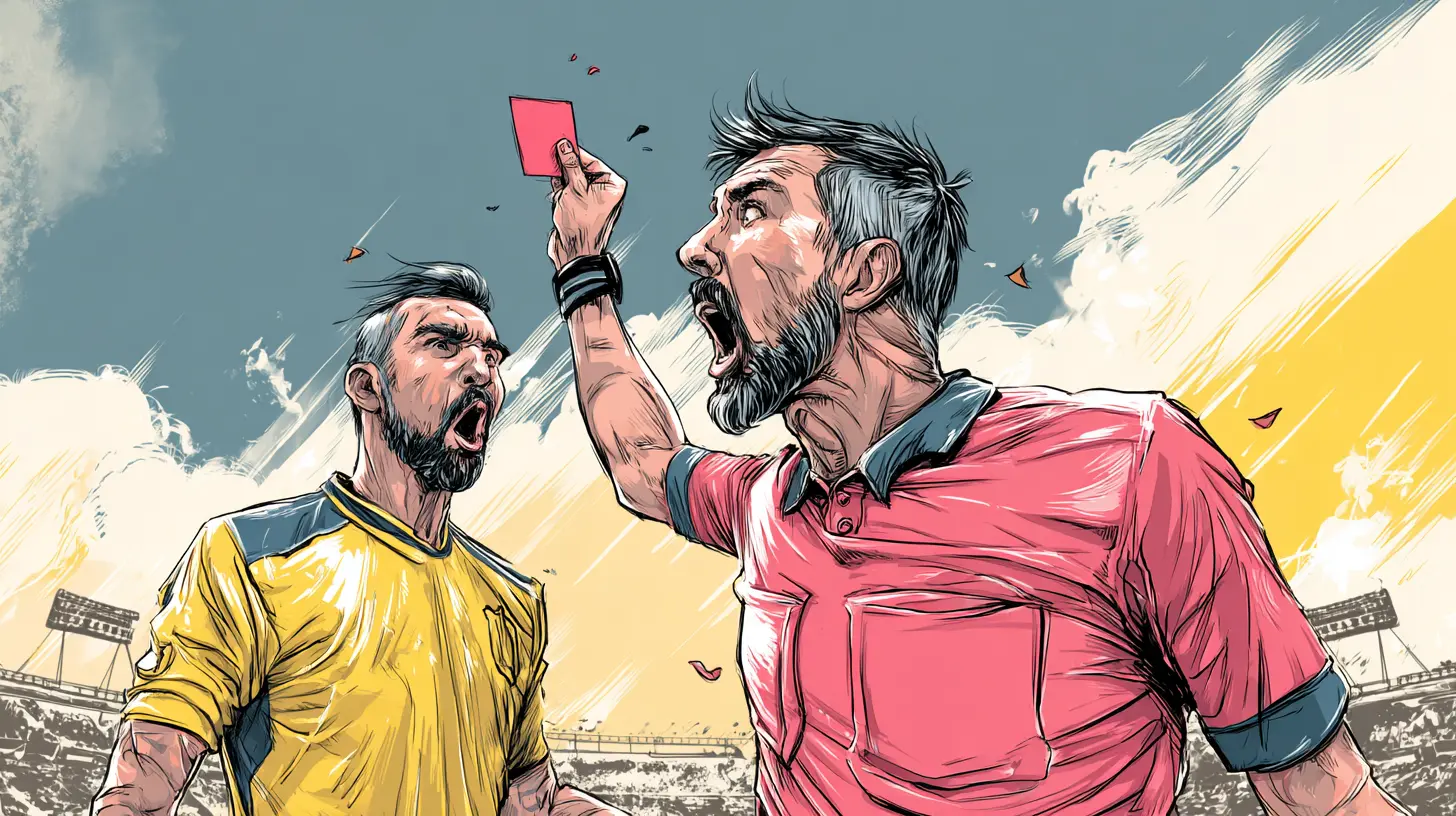
The Anatomy of an Unexpected Red Card
Not all red cards are created equal. A second yellow in the eighty-eighth minute of a settled match is administrative housekeeping. A straight red for a reckless challenge in the fifteenth minute of a cup final is a seismic event. The distinction matters because the psychological and tactical response differs enormously depending on context.When the Decision Shocks Everyone
The most destabilizing red cards are the ones nobody saw coming. Perhaps the challenge looked innocuous in real time. Perhaps the contact was minimal. Perhaps the referee consulted VAR and arrived at a conclusion that contradicted the gut instinct of every player on the pitch. In these moments, the sending-off creates what sports psychologists sometimes describe as cognitive dissonance: the players' understanding of what is fair and normal has been disrupted, and their emotional systems flood with indignation.I have watched teams lose their composure entirely in these situations. They surround the referee, they lose their shape, they concede within five minutes because nobody is thinking about the match plan anymore. The red card becomes a psychological wound rather than a tactical problem. The best teams, and the best coaches, have trained for this. They rehearse the scenario. They build emotional protocols the same way they build set-piece routines.
The Difference Between Deserved and Controversial
A deserved red card, however painful, is easier to process. The player made a mistake, the punishment is clear, and the team can organize around the new reality. A controversial red card is far more corrosive because it introduces a sense of injustice that can fuel either productive anger or destructive chaos. The outcome depends almost entirely on leadership.Captains matter here more than at any other moment in a match. A captain who channels the team's frustration into focused aggression, who gathers the players and delivers two or three clear instructions, can turn a crisis into a siege mentality. A captain who argues himself into a yellow card compounds the damage. Watch the next red card you see and focus your attention on the captain rather than the referee. You will learn more about that team's culture in thirty seconds than you would from a full season of highlights.

The Immediate Tactical Recalibration
Once the dust settles and play resumes, the match becomes a different sport. Eleven versus eleven is a game of balanced risk. Ten versus eleven is a game of asymmetric risk, and every decision on the pitch must be re-evaluated.The First Five Minutes After the Whistle
The period immediately following a red card is statistically dangerous for the team that has been reduced. Concentration lapses are common because players are still processing the event. Smart coaches use this window aggressively. If their team is the one with the man advantage, they will often push for an immediate goal, knowing the opposition's shape has not yet stabilized. If their team is a man down, the priority is simple: survive the next five minutes without conceding, then reorganize during the next natural stoppage.As a viewer, this is the window to watch most closely. You will see which team has prepared for adversity and which team is improvising. You will see whether the back line drops five yards or ten, whether the midfield collapses into a flat bank of four, whether the lone striker continues pressing alone or drops into a deeper role. These micro-decisions reveal the tactical education of the squad.
Restructuring the Shape
The most common mistake teams make after going a man down is trying to maintain their original formation with one fewer player. This almost never works because the numerical disadvantage compounds in every zone of the pitch. Instead, the shape must be rebuilt around a clear principle.Common approaches include:
- The 4-4-1: The classic. Two banks of four with a single striker isolated up front. It sacrifices attacking presence for defensive compactness and is the default for many coaches when protecting a lead or a draw.
- The 5-3-1: A deeper, more conservative variant that concedes territory but protects the central zones. Useful against teams that rely on crosses and set pieces.
- The 4-3-2: A more ambitious shape that keeps two attackers and asks the midfield three to cover enormous ground. This works only if the remaining players have exceptional stamina and tactical discipline.
- The 3-4-2 or 3-3-3: Aggressive shapes that accept defensive risk in exchange for keeping a threat on the counter. These are high-wire acts and should only be used by teams with genuine pace up front.
Each approach carries trade-offs. The 4-4-1 is stable but invites pressure. The 4-3-2 keeps an attacking outlet but exhausts the midfield. The 5-3-1 is hard to break down but makes it almost impossible to relieve pressure. There is no universal correct answer. The right choice depends on the scoreline, the time remaining, the quality of the opponent, and the physical condition of the remaining players.
The Man Advantage: Patience Versus Pressure
Teams with the extra player face their own trap. The temptation is to attack relentlessly and force the issue, but this can play directly into the hands of a well-organized defensive block. I have seen eleven-man teams lose to ten-man teams many times, and the pattern is almost always the same: impatience, overcommitment in wide areas, and a sucker punch on the counter.The best approach against a reduced opponent is usually patient circulation. Move the ball side to side, force the defensive block to shift, and wait for gaps to appear as fatigue sets in. The extra player should be used to create overloads in wide areas, because the defensive team cannot cover the full width of the pitch with the same density. Cross-field switches of play become devastating. The goal, more often than not, arrives in the final twenty minutes when the ten men are physically and mentally drained.
The Emotional Dimension Nobody Talks About Enough
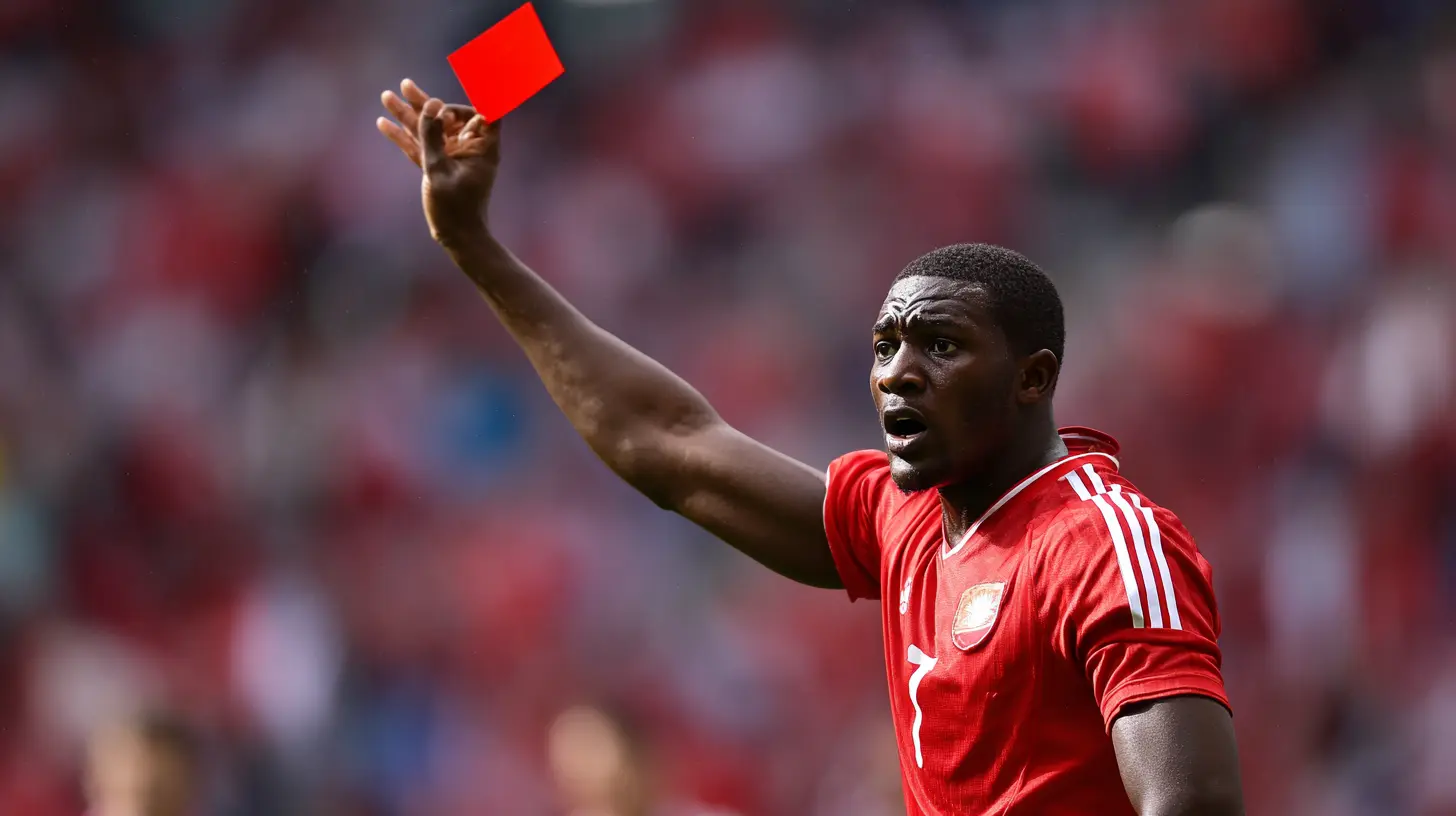
Tactics are easy to diagram on a whiteboard. Emotion is harder. The red card is, above all, an emotional event, and the team that manages its emotional state more effectively usually wins the psychological battle that determines the result.The Siege Mentality
There is a reason ten-man teams so often find an extra gear. Adversity creates unity. When a team feels wronged, whether by the referee, by the opponent, or by circumstances, the bonds between players tighten. Every block becomes personal. Every clearance is celebrated like a goal. This siege mentality is a real phenomenon, and it is one of the reasons soccer remains so unpredictable.Coaches can cultivate this deliberately. A few well-chosen words at the moment of the sending-off, delivered calmly and with conviction, can reframe the situation from disaster to challenge. "They have given us a reason to fight. Now we fight together." That kind of messaging works because it gives players a clear emotional target. It converts helplessness into agency.
The Danger of Righteous Anger
The flip side is that anger is a volatile fuel. It burns hot and fast, and it often produces reckless decisions. Players who feel aggrieved are more likely to dive into challenges, more likely to argue with officials, more likely to lose their positional discipline. The team that channels anger into focused effort thrives. The team that lets anger dictate decisions usually ends up with a second red card or a soft goal conceded.If you are a coach at any level, build a simple protocol for this scenario. Designate two or three senior players to manage the emotional temperature. Give them specific phrases to use with teammates. Practice the moments after a red card in training, even if it feels artificial. Repetition breeds calm, and calm is the foundation of every good decision under pressure.
Reading the Match After the Twist: What to Watch
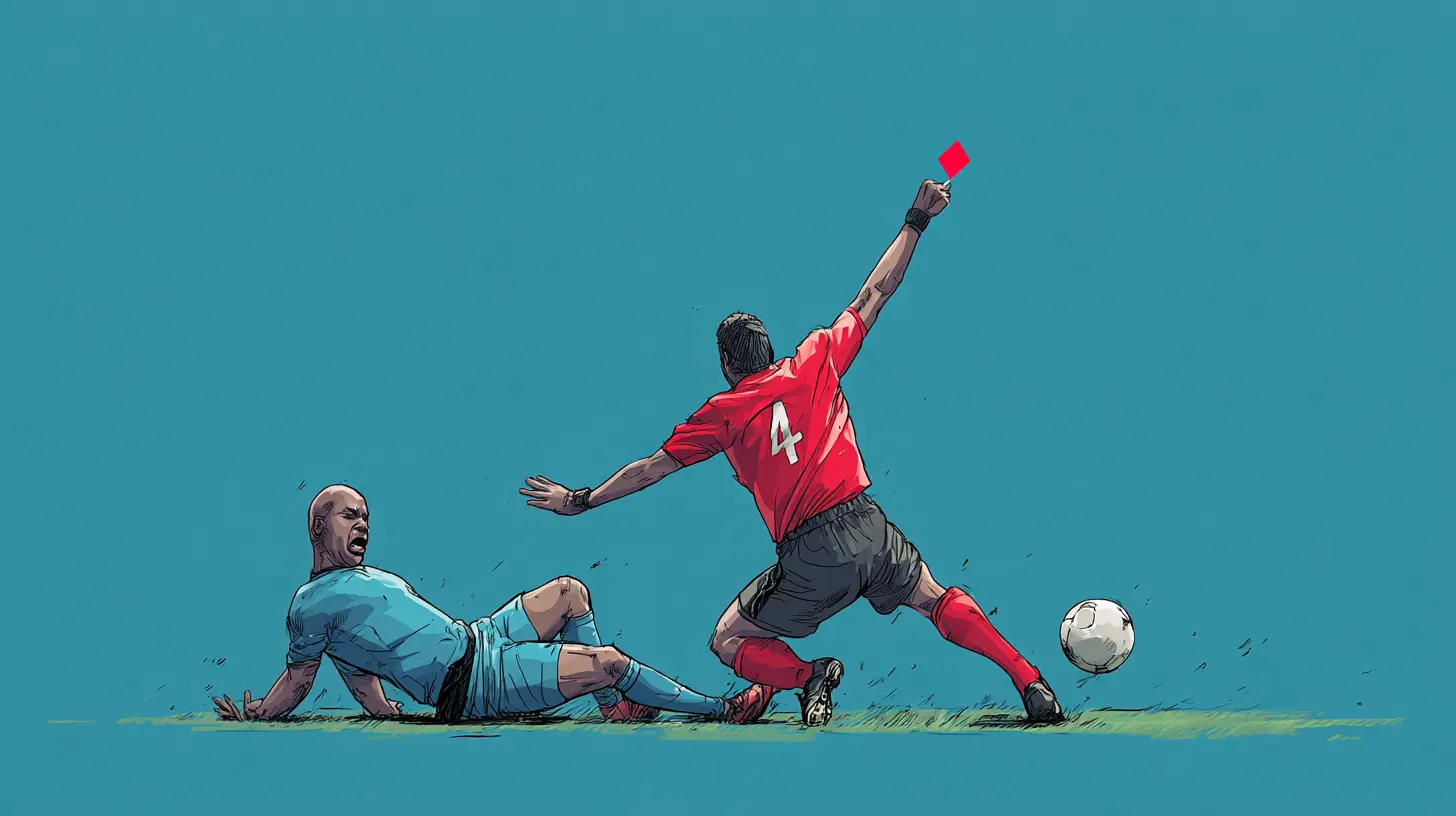
For supporters and analysts, the post-red-card period offers a rich set of signals. If you want to understand the match more deeply, train your eye on these details.Body Language of the Remaining Players
Watch the shoulders and the eyes. Players who believe in the new game plan move with purpose between phases. Players who have mentally checked out hesitate, drift, and avoid the ball. Within two or three minutes you can usually tell whether a team has accepted the challenge or resigned to it.The Coach's Touchline Behavior
The coach's reaction is a live broadcast of the team's emotional state. A coach who immediately gathers the players for instructions is signaling control. A coach who throws a water bottle is signaling chaos. Neither guarantees an outcome, but the pattern is revealing.The Substitution Patterns
The first substitution after a red card tells you how the coach intends to solve the problem. Bringing on a defensive midfielder suggests protection. Bringing on a fast winger suggests counterattacking. Bringing on a striker suggests the coach believes the game is still winnable. Timing matters too. A substitution in the sixty-fifth minute is a considered plan. A substitution in the twenty-fifth minute is often a panic response to a shape that is already failing.Set-Piece Priorities
Ten-man teams often rely heavily on set pieces because open-play chances become scarce. Watch how many players they commit forward at corners and free kicks. A team that still sends six players into the box is a team that believes it can win. A team that sends three is a team trying to survive.Common Mistakes and Misconceptions
A great deal of conventional wisdom about red cards is simply wrong. Clearing up these misconceptions will make you a sharper observer and a better coach."Ten Men Always Park the Bus"
This is one of the most persistent myths in the game. In reality, many ten-man teams choose to press selectively and counterattack rather than defend deep. Defending on the edge of your own box for forty minutes is physically exhausting and invites wave after wave of pressure. A mid-block that denies central access while keeping a fast outlet up front is often the smarter choice. The right decision depends on the players available, not on a blanket rule."The Red Card Decides the Match"
A red card shifts probabilities, but it does not determine outcomes. Ten-man teams win matches regularly. The reason is that numerical advantage is only one variable among many, and it interacts with fatigue, morale, game state, and tactical fit. Treating a red card as a guaranteed result is lazy analysis. The interesting question is not whether the red card matters but how each team responds to it."The Player Who Was Sent Off Is the Only One to Blame"
Often the deeper failure lies elsewhere. A center back who gets isolated because his midfield failed to track a runner is a symptom, not the cause. A striker who lunges recklessly in frustration because he has received no service for an hour is a product of a broken system. When you review a red card, look at the thirty seconds before the challenge. The root cause is usually visible there."You Should Always Bring on a Defender"
Not necessarily. Sometimes the better adjustment is to remove a tiring attacker and replace him with a midfielder who can cover ground, keeping the defensive line intact. Sometimes the correct move is to change the shape entirely rather than swap like for like. Substitutions after a red card should serve the new game plan, not simply plug the hole.
Practical Guidance for Coaches and Players
If you are involved in the game at any level, here is how to prepare for the unexpected red card twist before it happens.Build a Red Card Protocol
Every team should have a rehearsed response. The protocol should include who gathers the players, what the new shape will be, who takes on the captain's communication duties if the captain is the one sent off, and what the first two tactical priorities are. Write it down. Practice it in training with a man advantage and a man disadvantage. The teams that rehearse these scenarios consistently outperform those that improvise.Train the Ten-Man Shape Every Month
Most training sessions assume eleven versus eleven. Introduce a ten versus eleven segment at least once a month. Give the ten-man team a specific objective, such as surviving for ten minutes without conceding or scoring on the counter. This builds familiarity with the shape and, just as importantly, builds the mental habit of competing while a player down.Develop Emotional Leaders Beyond the Captain
A red card often removes the captain or a key leader. Identify two or three other players who can step into that role. Give them explicit responsibility for managing teammates' emotions. This is not about yelling. It is about calm communication, physical presence, and the ability to redirect frustration into focus.Teach Players to Slow the Game Down
The most underrated skill in soccer is the ability to slow the tempo immediately after a disruptive event. A goalkeeper who takes an extra few seconds on the goal kick. A defender who plays a simple sideways pass instead of forcing a forward ball. A midfielder who calls for the ball and holds it for a beat. These small actions allow the team to reset mentally and reorganize tactically. Train them deliberately.For Players: Control What You Can Control
If you are on the pitch when a teammate is sent off, your job is not to argue with the referee. Your job is to find the nearest teammate, communicate the new shape, and focus on the next action. The players who handle this well are the ones coaches trust in big moments. It is a career skill, not just a match skill.The Broader Lesson
The unexpected red card is soccer's great stress test. It strips away the comfort of the original plan and reveals what a team is really made of. The reaction that follows, from the players, the bench, the crowd, and the coach, is a window into the culture of a club. Teams with strong leadership, clear protocols, and emotional maturity treat a red card as a problem to solve. Teams without those qualities treat it as an excuse.That is why I find these moments so compelling. They are unpredictable, they are dramatic, and they are deeply instructive. The next time you watch a match and the referee reaches for his back pocket, do not just react to the decision. Watch what happens next. The real story of the match, and often the real story of the team, begins right there.
all images in this post were generated using AI tools
Category:
Live CommentaryAuthor:

Easton Simmons

