Live Kickoff Reaction: Soccer’s Most Anticipated Title Match
1 October 2026
The whistle hasn't blown yet, but the match has already started in a thousand living rooms, group chats, and stadium concourses. A title decider is never just ninety minutes. It is a psychological event, a tactical chess problem, and a shared nervous system connecting millions of people who will never meet. What follows is a deep look at how to read this kind of match in real time, why certain things happen when the stakes are at their highest, and how to think about the moments that decide everything.
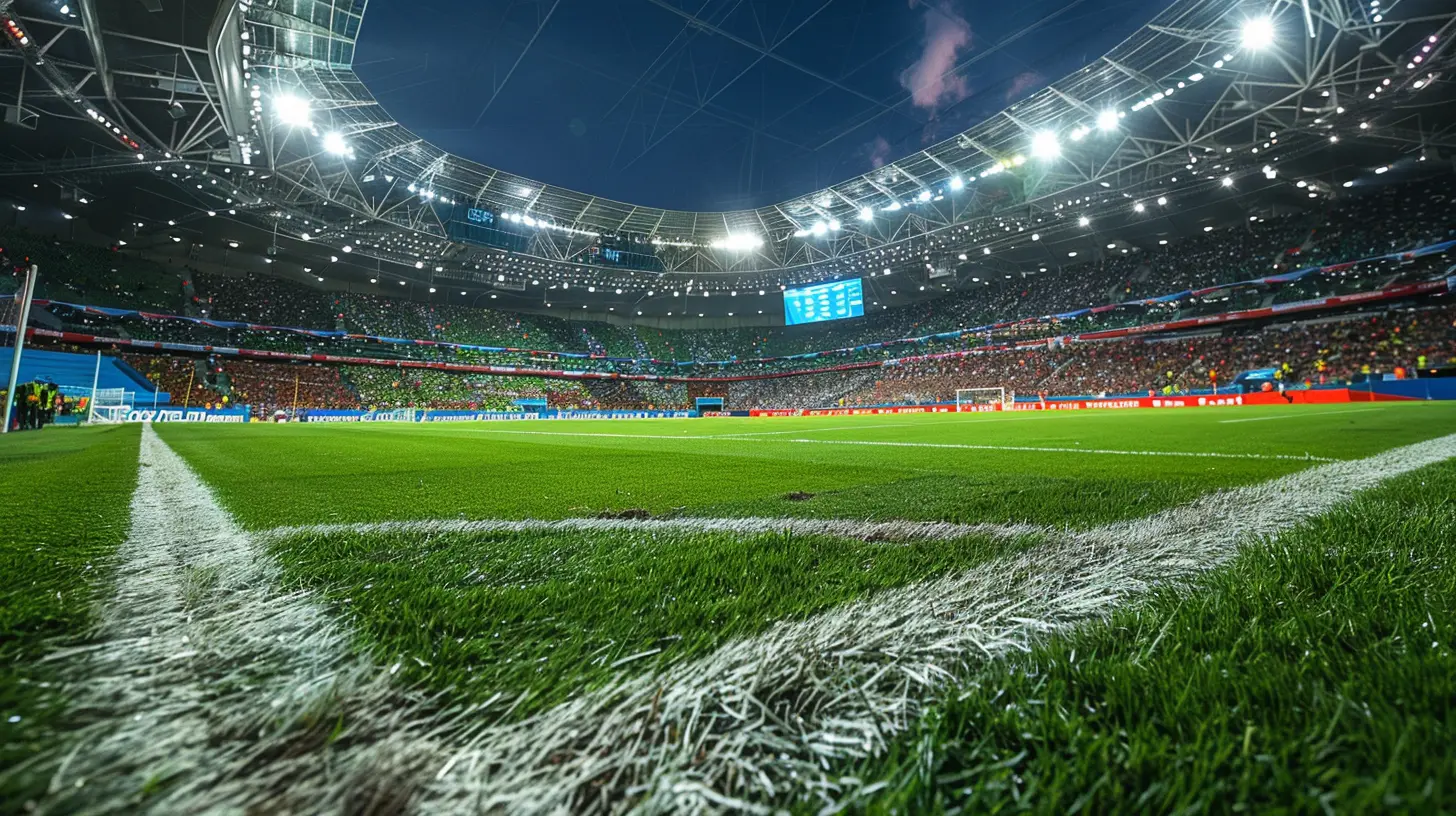
Why Title Deciders Feel Different
Every match matters to someone. But a title decider carries a specific gravity that changes behavior on both sides of the touchline. Players who are normally calm start snatching at chances. Coaches who normally trust their systems start hedging. Referees, whether they admit it or not, feel the weight of every borderline call.The reason is simple. In a normal league match, a mistake costs points. In a title decider, a mistake becomes permanent. There is no next week to fix it. That permanence narrows decision-making. Players default to safer passes. Defenders clear instead of playing out. Midfielders who usually dribble out of pressure now release the ball early.
This is not weakness. It is a predictable human response to consequence. Understanding it is the first step toward understanding what you are watching.
The Difference Between Pressure and Urgency
These two words get used interchangeably, but they describe opposite states.Pressure is external. It comes from the table, the crowd, the history, the money. Urgency is internal. It is the deliberate choice to act quickly and decisively.
Teams that win title deciders tend to convert pressure into urgency. They do not play faster because they are panicking. They play faster because they have decided the moment demands it. Teams that lose often do the reverse. They feel pressure, and they slow down, hoping the storm passes.
Watch the first ten minutes for this signal. If a team is pressing high and committing bodies forward, they have chosen urgency. If they are sitting deep and knocking the ball sideways, pressure has won.
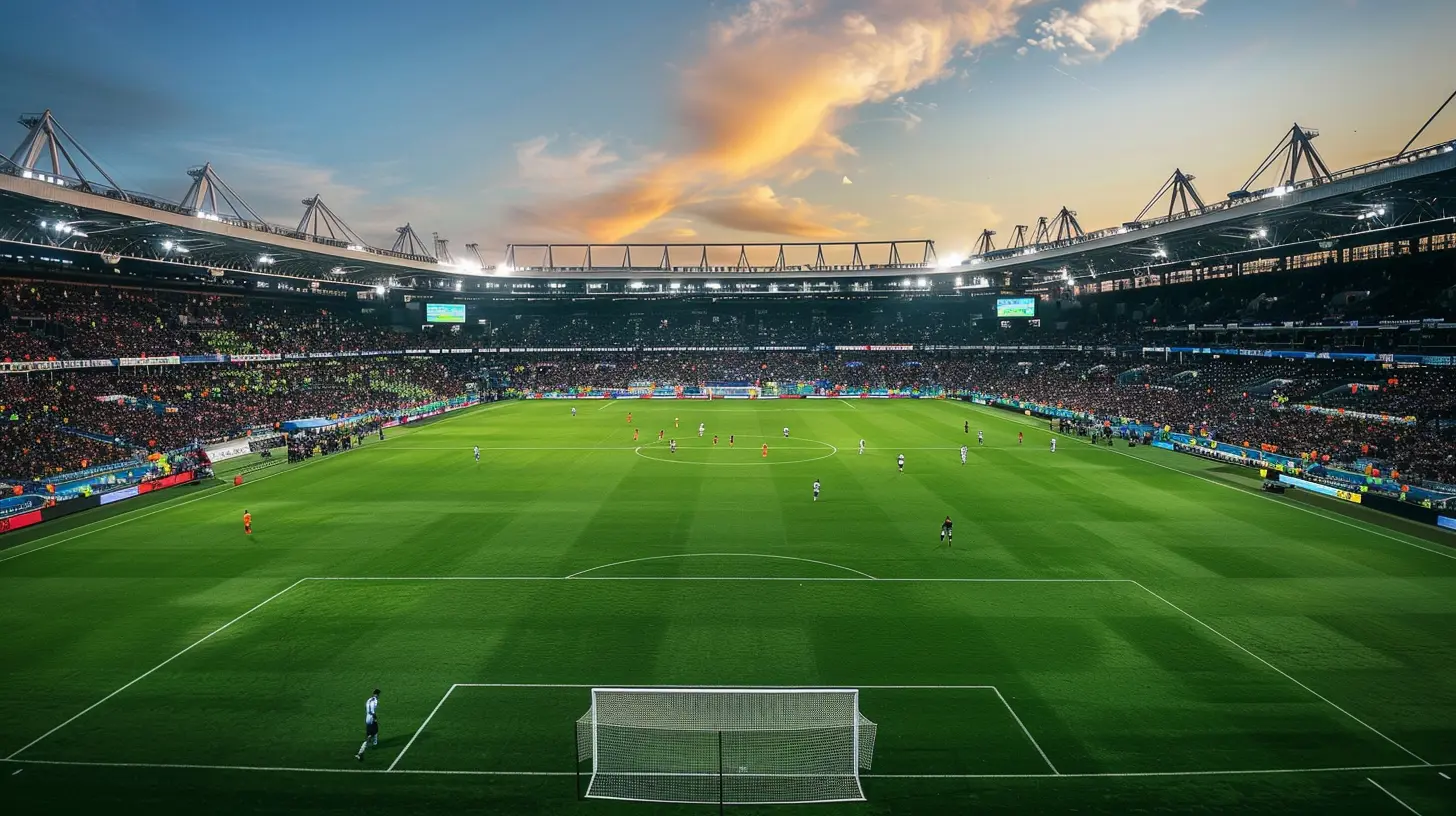
Reading the First Fifteen Minutes
The opening quarter hour of a title match is rarely about goals. It is about information. Both teams are testing assumptions they made during the week.What Coaches Are Looking For
A coach wants three answers fast:1. Is the opponent's press as organized as the scouting report suggested?
2. Which side of the pitch is the opponent willing to leave open?
3. How is the referee calling physical duels?
These answers reshape the game plan in real time. A coach who expected a low block but sees a high line will immediately instruct the front three to run in behind. A coach who expected physical leniency but sees early yellow cards will tell the holding midfielder to stop diving in.
What You Should Be Watching
Ignore the ball for thirty seconds at a time. Instead, watch the shape of the team without possession.- How high is the defensive line?
- Are the fullbacks tucked in or pushed up?
- Is there a clear pressing trigger, like a pass to a specific center back?
These patterns tell you more about the game's direction than any individual dribble.
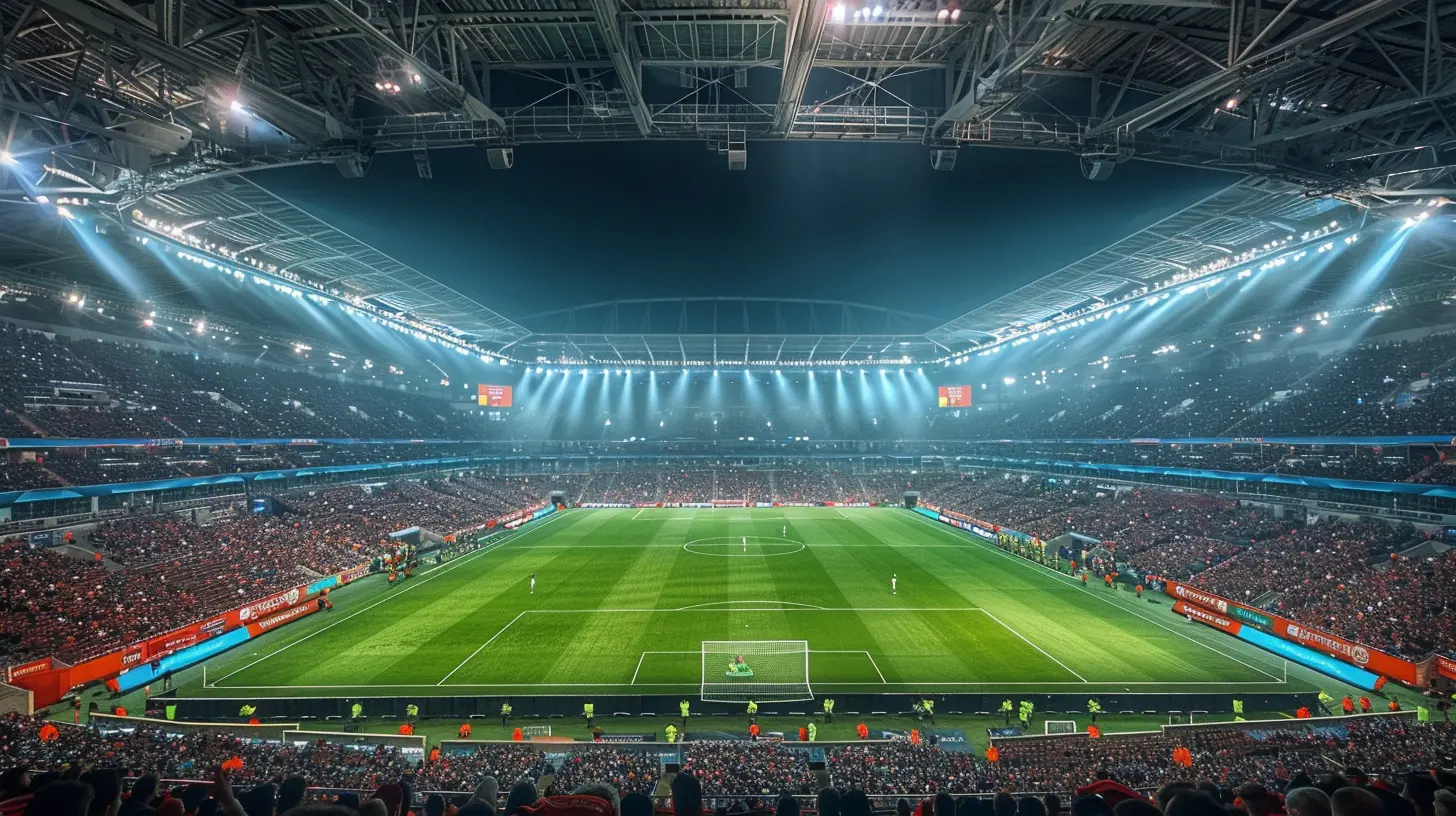
The Tactical Battles That Decide Titles
Title matches compress tactical decisions into a smaller margin for error. Two or three matchups usually determine the outcome.The Midfield Triangle
Most modern title deciders are won or lost in a triangle: the two holding midfielders and the attacking midfielder between them. Whichever team controls this zone controls the tempo.If one side's number ten finds space between the lines, the other side must choose between two bad options. Step a center back up and risk leaving a gap behind. Drop a midfielder deeper and surrender territory.
Watch how the defending team handles this. If they are comfortable, they will pass the number ten off between the holding midfielder and the center back. If they are struggling, you will see both players hesitate, and that hesitation is where goals come from.
The Wide Overload
Title matches often feature an intentional overload on one flank. The idea is to draw the opponent's midfield across, then switch the ball quickly to the free side.This works because defensive rotations take time. A well-executed switch of play forces the defending team to sprint across the pitch, and sprints create gaps.
The counter is a compact mid-block that refuses to be dragged. Teams that defend this well stay narrow, concede the wide areas, and trust their center backs to handle crosses. Teams that defend it poorly get stretched, and stretched teams concede.
Set Pieces
In matches this tight, set pieces frequently decide the result. Not because they are more important than open play, but because they are the one moment when both teams have time to organize, and the attacking team has a rehearsed advantage.Pay attention to who is assigned to mark whom. If a team's best aerial defender is marking a decoy rather than the primary threat, that is a structural problem, and it usually gets exposed.

Live Reaction: How the Game Shifts After the First Goal
The first goal in a title decider changes everything, and the change is rarely linear.For the Scoring Team
Scoring first usually brings relief, but relief can be dangerous. Teams that score early sometimes unconsciously drop their line, protect the lead, and invite pressure for seventy minutes. That is a losing strategy against elite opponents.The better response is controlled aggression. Keep the same defensive line. Keep the same pressing triggers. The only change should be in risk tolerance in the final third, where the team can now afford to be slightly more patient.
For the Conceding Team
Conceding first forces a decision. Push forward immediately and risk a second goal, or stay composed and trust the process?There is no universal answer. It depends on time remaining, the quality of the bench, and the opponent's ability to counter. A team with fast forwards should not throw numbers forward carelessly. A team with a dominant set piece threat can afford to chase corners.
Watch the body language of the captain. If the captain is organizing and pointing, the team is still in the game mentally. If the captain is staring at the ground, the collapse has already begun.
Substitutions and the Art of the Late Gamble
Around the seventieth minute, title matches become a different sport. Fatigue compresses the space between the lines. Mistakes multiply. Substitutions become the primary tactical lever.The Three Types of Substitutions
1. The like-for-like swap. Fresh legs in the same role. Low risk, modest reward. Used when a team is comfortable but tired.2. The shape change. Bringing on a winger for a holding midfielder, for example. High risk, high reward. Used when a team needs a goal.
3. The specialist. A set piece taker, a penalty box poacher, or a defensive header specialist. Used for a specific scenario.
The best coaches know which type the moment requires. The worst coaches make substitutions based on reputation rather than game state.
Why Timing Matters More Than Personnel
Bringing on a talented attacker in the eighty-fifth minute gives that player five minutes plus stoppage time to influence the game. Bringing the same player on in the sixty-fifth minute gives them thirty. The trade-off is defensive stability. Every minute an attacker is on the pitch is a minute they are not tracking back.Consider what your team needs more: a goal, or protection against a counter. That answer should dictate the timing, not the player's name.
Common Mistakes Fans and Analysts Make
Overreacting to Possession
Possession without penetration is a statistic, not an advantage. A team can hold seventy percent of the ball and create nothing if every pass is sideways. Look at touches in the penalty area instead. That number correlates far more strongly with goals.Confusing Volume With Quality
Twenty shots sounds impressive. Twenty shots from outside the box with a low conversion rate is not. Expected goals models exist precisely to separate shot quantity from shot quality. If you do not have access to a model, ask a simpler question: how many of those shots came from inside the six yard box?Ignoring the Referee's Pattern
Referees have tendencies. Some allow physical duels and let the game flow. Others card early to establish control. Knowing which referee is in charge changes how you should interpret early tackles. A yellow card in the tenth minute under a strict referee means something very different than under a lenient one.Practical Advice for Watching a Title Decider
If you want to watch a match like an analyst rather than a fan, here is a simple framework.Before Kickoff
- Note both starting lineups and identify the two or three matchups that matter most.- Check the table situation. Does one team need a win, or is a draw enough? This changes risk tolerance dramatically.
- Identify each team's primary set piece threat.
During the Match
- Watch the defensive line height for the first ten minutes.- Track which team is winning second balls in midfield.
- Note when the first tactical adjustment happens, usually around the twenty-fifth or sixtieth minute.
After the Match
- Revisit the goals and ask what created them. Was it a structural error, an individual mistake, or a moment of brilliance?- Check whether the pre-match tactical predictions held up. This is how you build genuine understanding over time.
The Mental Side Nobody Talks About Enough
Skill gets teams to a title decider. Composure wins it.Sports psychology research consistently shows that under high pressure, athletes revert to their most deeply ingrained habits. This is why repetition in training matters so much. A player who has taken ten thousand penalties in practice does not need to think about technique in the moment. The body remembers.
For teams, the equivalent is a shared identity. A team that knows exactly who they are, whether that is a high pressing machine or a counterattacking unit, does not need to reinvent itself under pressure. They just execute.
This is also why experienced squads tend to outperform talented but young ones in finals. Not because experience guarantees success, but because experience reduces the number of variables a player is processing in real time.
What Makes a Title Match Truly Great
The best title deciders are not the ones with the most goals. They are the ones where both teams play close to their ceiling, where the tactical battle is visible, and where the outcome feels earned rather than accidental.You can usually tell a great match by the quality of the losing team's performance. If the losing side played well and simply lost to a better moment, that is a great match. If the losing side collapsed, that is a story about pressure, not about soccer.
Final Thoughts
A title decider is a stress test. It reveals which players can execute under maximum consequence, which coaches can adjust in real time, and which systems hold up when everything is on the line. Watching one with a framework in mind turns ninety minutes of anxiety into ninety minutes of genuine insight.The whistle will blow. The ball will roll. What you see depends entirely on what you know to look for.
all images in this post were generated using AI tools
Category:
Live CommentaryAuthor:

Easton Simmons
![Master of the Moment: [Player Name]s Clutch Performances Under Pressure](/pictures/blog/small/master-of-the-moment-player-names-clutch-performances-under-pressure_4.webp)