Integrating Nutrition Education Through School Sports
20 November 2026
In the realm of youth development, the intersection of sports and nutrition is often overlooked but holds immense potential. Integrating nutrition education into school sports programs can create an environment where young athletes not only excel in their physical pursuits but also cultivate lifelong healthy eating habits. This article explores the significance of this integration, practical strategies for implementation, and the benefits it offers to students, schools, and communities.
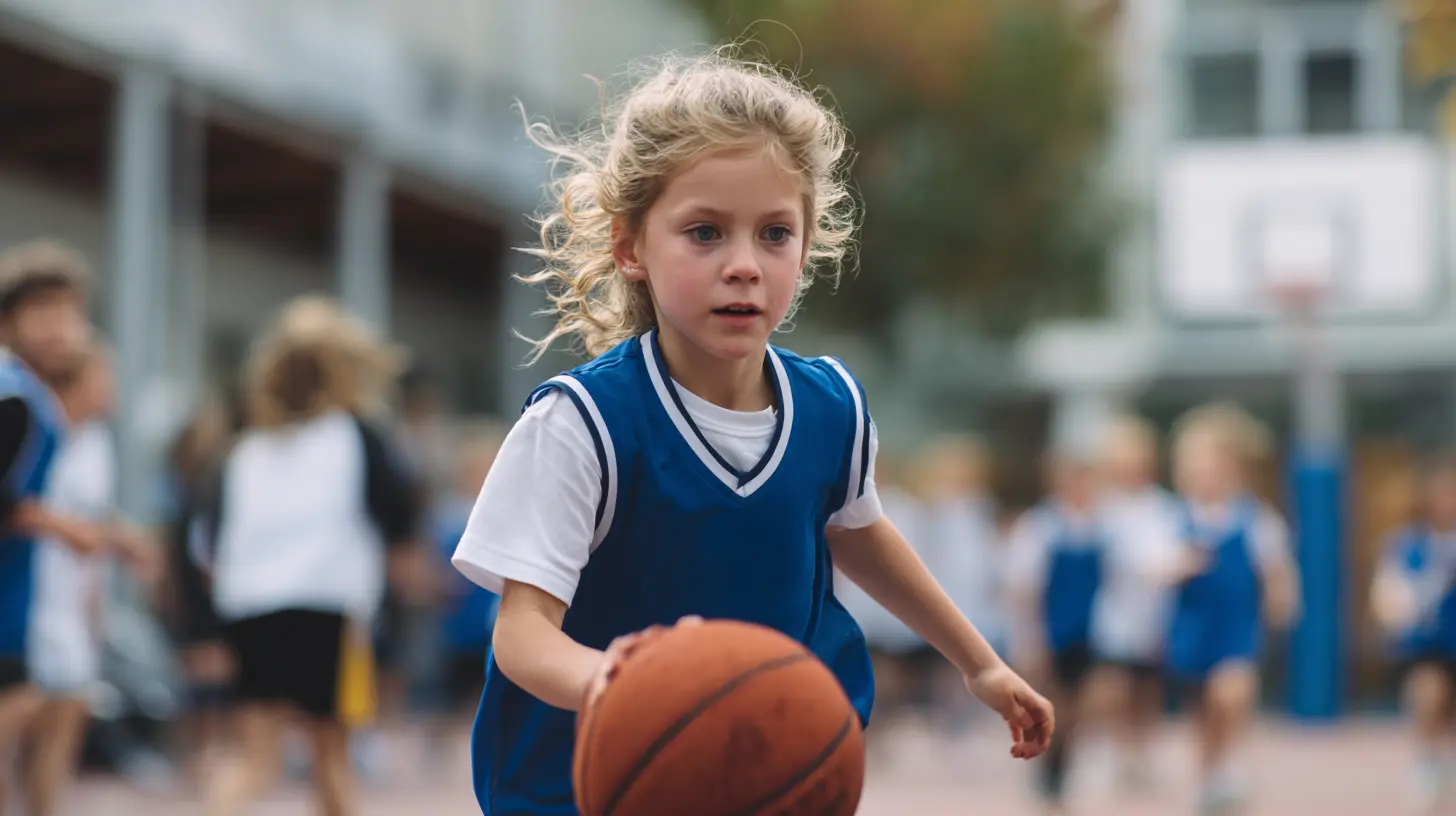
The Importance of Nutrition in Sports
Nutrition plays a critical role in athletic performance. Young athletes have unique dietary needs due to their growing bodies and the physical demands of sports. Proper nutrition can enhance performance, improve recovery, and reduce the risk of injury. Conversely, poor dietary choices can hinder athletic potential and lead to health issues.Energy Needs of Young Athletes
Young athletes require more energy than their sedentary peers. During intense training and competition, they burn calories at an accelerated rate. According to various sports nutrition guidelines, the energy intake for young athletes should be sufficient to support their activity levels. This often means consuming a balanced diet rich in carbohydrates, proteins, and healthy fats.Nutritional Myths and Misconceptions
There are numerous myths surrounding sports nutrition. For example, many young athletes believe that protein is the most important nutrient for performance. While protein is essential for muscle repair and growth, carbohydrates are crucial for fueling workouts. Understanding the balance of macronutrients is vital for optimal performance.
Integrating Nutrition Education into School Sports Programs
Integrating nutrition education into school sports programs requires a strategic approach. Here are some effective strategies for schools to consider:1. Collaborate with Nutrition Experts
Schools can benefit from partnerships with registered dietitians or nutritionists who specialize in sports nutrition. These professionals can provide tailor-made workshops, seminars, and materials that address the specific needs of young athletes. Their expertise can help dispel myths and provide evidence-based guidance.2. Implement Nutrition Curriculum
Incorporating a structured nutrition curriculum into physical education classes can ensure that all student-athletes receive consistent education. Topics might include:- Understanding macronutrients
- Hydration strategies
- Meal planning for training and competition days
- The impact of nutrition on recovery
By weaving nutrition education into the daily lives of students, schools can instill a deeper understanding of healthy eating.
3. Use Real-World Examples
Practical examples resonate well with young athletes. Schools might host cooking demonstrations or workshops that allow students to prepare healthy snacks and meals. Engaging students in cooking can foster a positive relationship with food and empower them to make informed choices.4. Foster a Supportive Environment
Creating a culture that values nutrition within sports teams can enhance the integration process. Coaches and team leaders should model healthy eating behaviors and encourage athletes to prioritize nutrition. Team meetings could include discussions about nutrition, emphasizing its importance in both practice and competition settings.5. Utilize Technology and Apps
Today's technology offers numerous apps that track nutrition and exercise. Schools can encourage students to use these tools to understand their dietary habits and energy expenditure. By promoting the use of such technologies, schools can help athletes become more accountable for their nutritional choices.6. Involve Parents and Guardians
Involving parents in nutrition education can amplify the message. Schools might host informational nights where parents learn about the importance of nutrition in sports. Providing resources that parents can use at home can strengthen the connection between school and home nutrition practices.
The Benefits of Integrating Nutrition Education
Integrating nutrition education through school sports offers numerous benefits for students and the wider community.Improved Athletic Performance
When athletes understand the connection between nutrition and performance, they can make better choices that enhance their training and competition outcomes. For instance, a study might show that athletes who consume adequate carbohydrates before a competition generally perform better than those who do not.Enhanced Recovery
Proper nutrition aids recovery. Educating athletes on the importance of post-workout nutrition, such as consuming protein and carbohydrates, can help them recover faster and reduce muscle soreness. This knowledge can lead to a more effective training cycle.Lifelong Healthy Habits
When students learn about nutrition early, they are more likely to adopt healthy eating habits that last a lifetime. By integrating nutrition education into sports, schools can help shape not only athletes but also informed individuals who prioritize health.Community Health Impact
Schools serve as community hubs, and by promoting nutrition education, they can lead by example. Healthy student-athletes contribute to healthier families and communities. This ripple effect can foster a culture of wellness that extends beyond the school environment.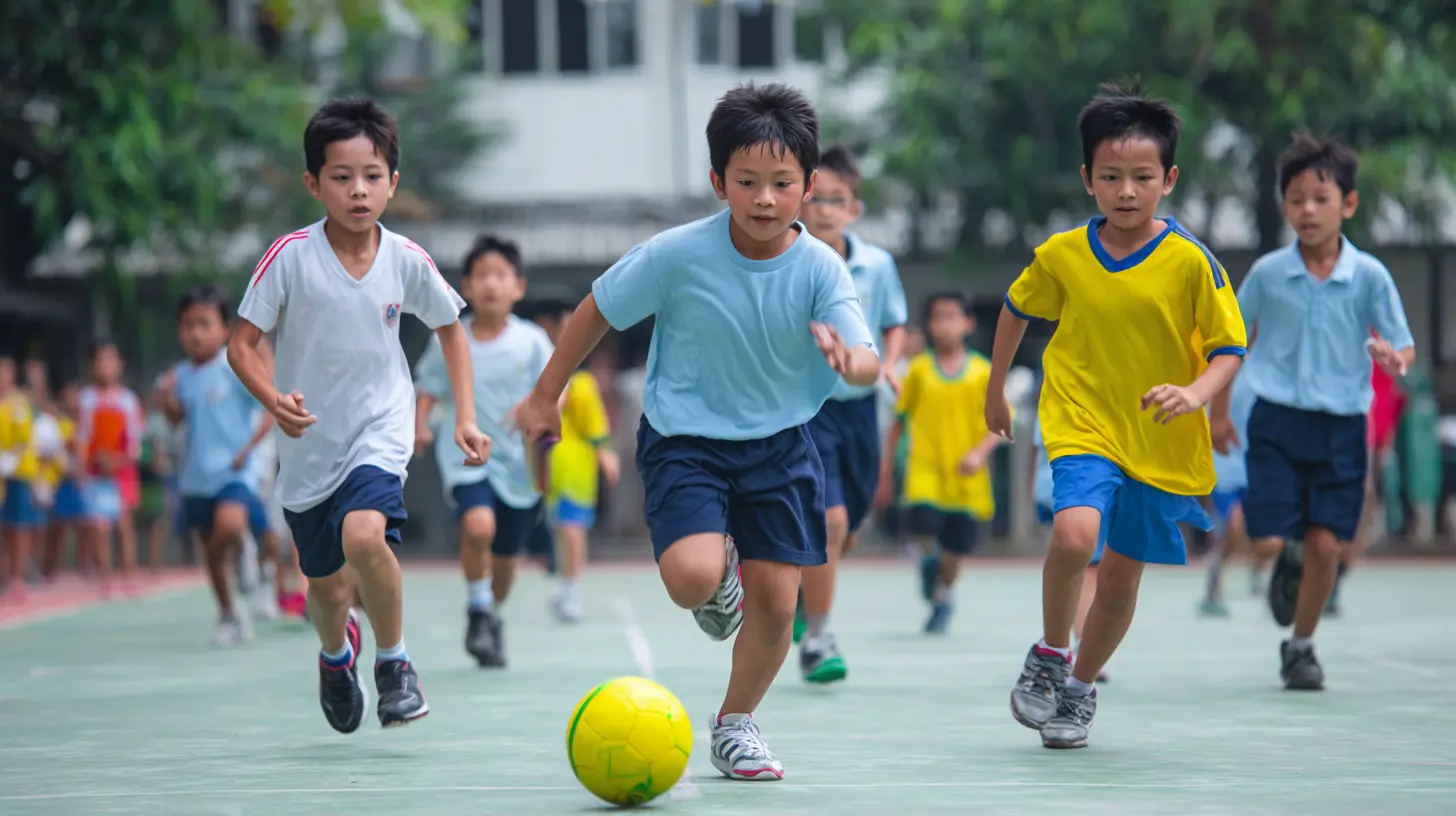
Common Challenges and Solutions
While integrating nutrition education into school sports is beneficial, challenges may arise. Here are some common obstacles and potential solutions:1. Limited Resources
Many schools face budget constraints that can limit their ability to implement comprehensive nutrition programs. Collaborating with local health organizations or seeking grants can provide additional resources. Schools can also leverage community volunteers, such as local chefs or nutrition students, to assist with programs.2. Resistance to Change
Some coaches or athletes may resist changing established practices. Building relationships and demonstrating the benefits through small pilot programs or success stories can help ease this transition. Positive reinforcement and recognition of those who embrace nutrition education can encourage others to follow suit.3. Balancing Academics and Athletics
Student-athletes often juggle demanding schedules. Schools can address this by offering flexible nutrition seminars or online resources that athletes can access at their convenience. Providing quick, actionable tips that can easily fit into their busy lives can enhance participation.4. Addressing Diverse Needs
Every athlete has different nutritional needs based on their sport, age, and personal health. Tailoring education to accommodate various requirements can be challenging. Schools should aim to provide general guidelines while also encouraging athletes to consult with nutrition professionals for personalized advice.Real-World Examples of Successful Integration
Several schools and programs have successfully integrated nutrition education into their sports offerings.Case Study: High School Sports Program
A high school in California implemented a comprehensive nutrition program that included monthly workshops with a local dietitian. The program focused on educating athletes about meal planning, hydration, and recovery nutrition. The result was a noticeable improvement in team performance and a decline in injuries among participating athletes.Case Study: Community Outreach
In another instance, a local youth sports league partnered with a nonprofit organization to develop a nutrition education curriculum for young athletes and their families. They hosted community events that included cooking demonstrations and nutrition games. Feedback showed that families reported improved eating habits and a greater understanding of the importance of nutrition in sports.
Best Practices for Effective Integration
To ensure the successful integration of nutrition education into school sports, consider these best practices:Engage Stakeholders Early
Involve coaches, teachers, parents, and students in the planning stages. Gathering input from various stakeholders can ensure that the program meets the needs of everyone involved.Evaluate and Adapt
Regularly assess the effectiveness of the nutrition education program. Gathering feedback from participants can provide insights into what works and what requires adjustment. Being willing to adapt based on feedback can enhance the program's sustainability.Celebrate Successes
Recognizing achievements related to nutrition can motivate students to continue their efforts. Whether through awards, shout-outs during assemblies, or features in school newsletters, celebrating successes can reinforce the message of healthy eating.Conclusion
Integrating nutrition education through school sports is not just an added feature; it is a vital component of fostering healthy, well-rounded individuals. The benefits of this integration extend beyond athletic performance and into lifelong health, community wellbeing, and academic success. By taking a proactive approach and employing best practices, schools can create an environment where young athletes thrive both on and off the field.
all images in this post were generated using AI tools
Category:
Sports And EducationAuthor:

Easton Simmons

