How Universities Are Using Sports to Drive Student Engagement
8 August 2026
College sports have always been about competition, school pride, and Saturday afternoons packed into stadiums. But over the last decade, universities have started treating athletics as something far more strategic: a tool for student engagement that reaches far beyond the playing field. This shift is not just about winning games or filling seats. It is about using the emotional pull of sports to connect students to their campus, to each other, and to their own well-being.
When done right, sports programs become the heartbeat of campus life. When done poorly, they become a drain on resources and a source of division. The difference comes down to how universities design, market, and integrate their athletic offerings into the broader student experience. Let's break down what actually works, what does not, and why some schools succeed while others struggle.
The Campus-Wide Ripple Effect of Athletic Events
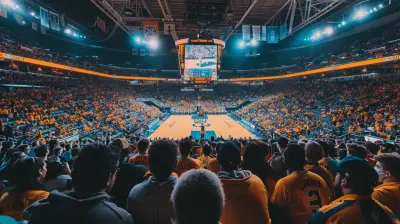
The most obvious way universities use sports for engagement is through game-day experiences. But the smartest schools do not just sell tickets. They build entire ecosystems around athletic events that pull in students who have no interest in the sport itself.Take the concept of the "student section" as a social hub. Many universities now treat these sections as exclusive clubs. They offer priority seating, themed giveaways, and even loyalty points that students can redeem for merchandise or future tickets. The psychology here is simple: scarcity and belonging drive attendance. When students feel they are part of a select group, they show up. And when they show up, they bring friends.
But the real innovation is in the peripheral events. Schools like Ohio State and Michigan have turned tailgating into a structured campus activity with live music, food trucks, and networking zones. Some universities now host "silent discos" or trivia nights in the hours before a game. These events are not about the sport. They are about creating a shared experience that makes students feel like they are part of something larger than themselves.
The key is that these events must feel organic, not forced. Students can smell a marketing ploy from a mile away. The most successful programs partner with student government, fraternities and sororities, and cultural clubs to co-host these gatherings. That way, the events reflect the student body's interests, not just the athletic department's budget.

Intramural Sports as a Social Equalizer
Varsity athletics only involve a small fraction of the student population. Intramural and club sports are where the real engagement numbers live. These programs are the single most underrated tool in a university's student engagement arsenal.Intramural leagues work because they lower the barrier to entry. You do not need to be a star athlete. You just need to show up. This makes them perfect for international students, graduate students, and commuters who might otherwise feel isolated. A well-run intramural program can turn a quiet campus into a buzzing community.
The best practice here is to offer a wide variety of sports, not just the traditional ones. Flag football and basketball are fine, but what about dodgeball, ultimate frisbee, or even esports? Many universities now run intramural esports leagues for games like Rocket League or League of Legends. These attract a demographic that would never step onto a physical field. The result is that a single program can engage multiple distinct student populations at the same time.
Another effective strategy is to create "social leagues" that prioritize fun over competition. These leagues have relaxed rules, no referees, and a strong emphasis on meeting new people. Some schools even pair students randomly into teams to encourage cross-socialization. The goal is not to crown a champion. The goal is to build relationships.
The trade-off is that social leagues require more staffing and organization. They are harder to run than a standard bracket tournament because they need constant communication and conflict resolution. But the payoff in student satisfaction and retention is worth it. A student who makes friends through an intramural team is far less likely to drop out.

Using Sports to Support Mental Health and Well-Being
There is a growing recognition that physical activity is directly linked to mental health. Universities are now using sports as a proactive tool for well-being, not just as a reactive response to crises.One approach is the "move your mood" campaign, which many schools have adopted in some form. These programs encourage students to attend fitness classes, join walking groups, or participate in low-stakes athletic events as a way to manage stress. The messaging is not about performance. It is about feeling better.
Some universities have gone further by integrating counseling services with athletic programming. For example, a campus recreation center might host a "mental health awareness night" during a basketball game. Or a sports psychologist might run a workshop for intramural team captains on how to support teammates who are struggling. These initiatives normalize conversations about mental health while giving students a natural, low-pressure entry point to seek help.
The misconception is that this only works for athletes. In reality, the social aspect of sports is what makes them so effective for mental health. A student who joins a weekly yoga class or a casual running club gets more than exercise. They get a routine, a sense of purpose, and a small community of people who expect to see them. That predictability is incredibly soothing for students dealing with anxiety or loneliness.
However, universities must be careful not to overhype this connection. Forcing a "wellness" label onto every sports activity can feel patronizing. The best programs let the benefits emerge naturally. They provide the space and the resources, but they do not lecture students about how they should be feeling.
Building Identity and School Spirit Through Rivalries
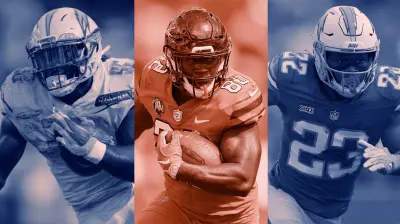
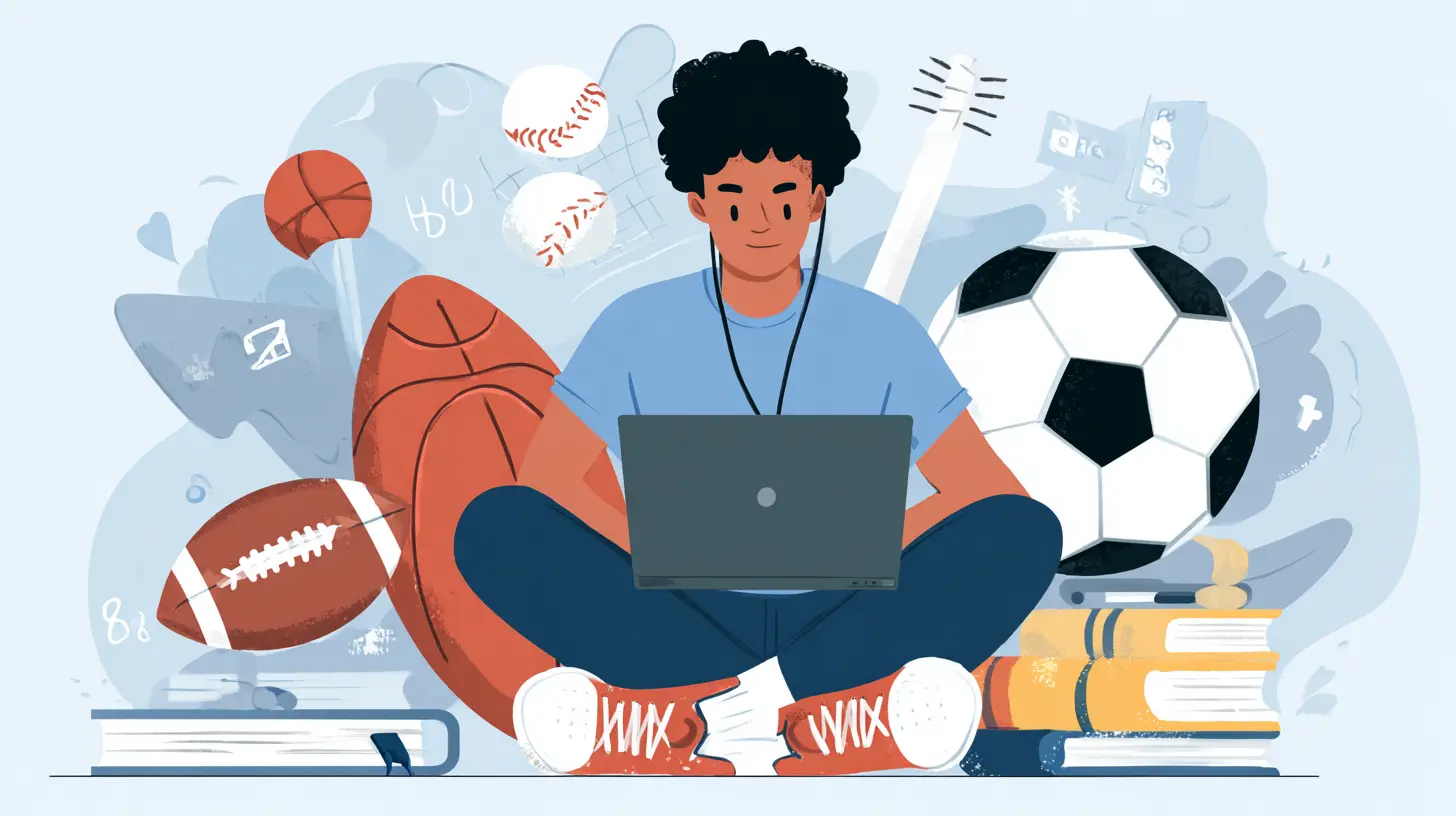
Rivalries are a double-edged sword. On one hand, they generate intense engagement and a powerful sense of belonging. On the other hand, they can lead to toxic behavior and exclusion. The most successful universities manage rivalries with clear guidelines and a focus on respect.The key is to frame rivalries as a celebration of your own school's identity rather than a denigration of the opponent. Schools like Duke and North Carolina do this well in basketball. Their rivalry is fierce, but it is also rooted in mutual respect and a shared history. The engagement comes from the drama of the matchup, not from hatred.
Universities can amplify this by creating traditions around rivalry week. These might include themed dress-up days, charity competitions between the two schools, or joint events that bring students together before the game. Some schools have started "rivalry food drives," where the losing school's fans donate to a cause chosen by the winning school. This turns a potentially divisive event into a positive community action.
The mistake many schools make is relying solely on the varsity teams to carry the rivalry. That only works for a few weeks a year. The real engagement comes from extending the rivalry into intramural sports, club activities, and even academic competitions. When students feel they are part of a campus that competes in everything, they are more likely to stay invested throughout the year.
The Role of Digital and Social Media in Sports Engagement
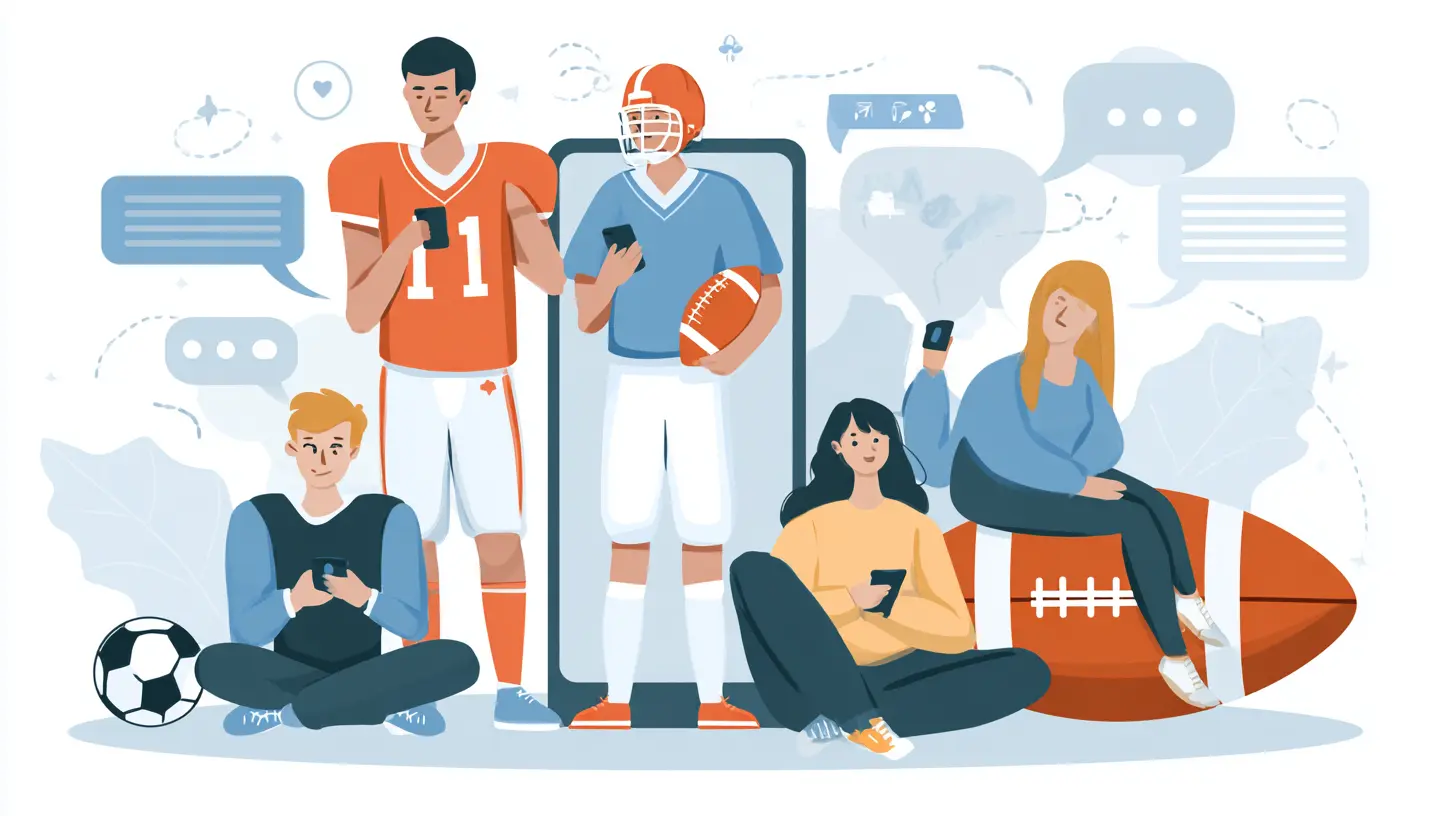
You cannot talk about student engagement today without talking about digital platforms. Universities have learned that a student's phone is their front door to campus life. Sports content is some of the most shareable material a university can produce.The best programs use social media to create a continuous narrative around their teams. This goes beyond posting scores and highlights. It includes behind-the-scenes content, player spotlights, and interactive polls. For example, a university might let students vote on the design of a new uniform or the song played after a touchdown. This gives students a sense of ownership.
Some schools have experimented with "second screen" experiences during live games. Students watching from the stands or at home can participate in live trivia, vote for the player of the game, or post photos that appear on the jumbotron. This keeps students engaged even during timeouts and commercial breaks.
The trade-off is that digital engagement can feel shallow if it is not connected to real-world action. A student who follows the football team on Instagram but never attends a game is not truly engaged. The best strategies use digital content as a bridge to physical attendance and participation. For example, a social media contest might offer tickets to the next home game as a prize. Or a live stream might include a code that students can use to get a discount at the campus coffee shop after the game.
Comparing Different Institutional Approaches
Not all universities can or should approach sports engagement the same way. A large public research university with a Division I football program has different resources and challenges than a small liberal arts college or an urban commuter school.Large universities have the advantage of scale. They can invest in massive facilities, professional marketing teams, and high-profile events. But they also struggle with fragmentation. A student body of 40,000 is not a single community. It is dozens of sub-communities. The challenge is to make athletic events feel relevant to each of those groups.
Small universities have the opposite problem. They have tight-knit communities but limited budgets. Their advantage is intimacy. A well-attended basketball game at a small school can feel more electric than a half-empty stadium at a large school. The best small schools lean into this. They create traditions that make every home game feel like a family reunion.
Urban commuter schools face the toughest challenge. Many students live off campus, work part-time jobs, and have no connection to campus life beyond their classes. For these schools, sports engagement must be flexible and time-conscious. Lunchtime fitness classes, evening intramural leagues, and weekend tournaments are more effective than traditional game-day events.
The common mistake is assuming that one model works for everyone. A small school that tries to copy the tailgating culture of a large SEC school will fail. A large school that tries to replicate the cozy intimacy of a small college will also fall short. The best approach is to analyze your specific student demographics, their schedules, and their interests, and then design sports engagement around those realities.
Common Mistakes and Misconceptions
One of the biggest misconceptions is that spending more money on athletics automatically leads to more engagement. That is false. Many universities pour millions into new stadiums and coaching salaries while ignoring the everyday recreational needs of their students. A shiny new arena does nothing for a student who is too intimidated to step inside it.Another mistake is treating sports engagement as a one-time event. A big homecoming game or a single wellness fair is not a strategy. Engagement is built through consistent, repeated touchpoints. A student who attends one football game in September and nothing else until March is not engaged. They had a fun Saturday. That is it.
Universities also make the error of ignoring non-traditional students. Graduate students, part-time students, parents, and older learners are often left out of sports programming. This is a huge missed opportunity. These students have just as much need for community as traditional undergraduates. Some schools have started offering "family-friendly" game days with childcare and activities for kids. Others have created late-night intramural leagues aimed at working professionals. These efforts pay off in loyalty and word-of-mouth.
A subtle but important mistake is failing to measure engagement properly. Many universities track attendance and participation but not the quality of the experience. They do not ask students if they felt welcomed, if they made new friends, or if they would come back. Without this feedback, programs stagnate and miss the mark.
Best Practices for Implementation
If you are a university administrator or a student leader looking to improve sports engagement, start with a clear goal. Are you trying to reduce isolation? Increase retention? Improve physical health? Each goal requires a different approach.Next, audit your current offerings. Look at participation data, not just attendance. Who is showing up? Who is not? Why not? Conduct focus groups with underrepresented students to understand their barriers. Often, the issue is not lack of interest but lack of accessibility. A student might want to play soccer but cannot because games conflict with their work schedule. Fixing that one issue could unlock a whole new segment of engagement.
Then, build partnerships. The athletic department cannot do this alone. Work with student affairs, housing, dining, and academic departments. A great example is a "Study and Sweat" program where the library and the recreation center co-host an event during finals week. Students can take a break to do yoga or play a quick game of pickleball, then return to their studies. This type of cross-departmental collaboration is rare but highly effective.
Finally, empower student leaders. The most successful programs have student advisory boards that help design and promote sports initiatives. These students know what their peers want better than any administrator. Give them real decision-making power, not just a token seat at the table. They will bring energy and authenticity that no marketing campaign can replicate.
The Future of Sports-Driven Engagement
Looking ahead, the trend is toward personalization and flexibility. Students today expect options. They want to engage on their own terms, at their own pace. Universities that offer a "menu" of sports engagement opportunities, from drop-in fitness classes to competitive leagues to social clubs, will have the most success.Technology will play a larger role, but not in the way most people expect. It will not be about virtual reality or fancy apps. It will be about using data to personalize the experience. A university might use a simple survey to match students with sports activities based on their interests and schedules. Or they might use a mobile app to send reminders and incentives for upcoming events.
Sustainability is also becoming a factor. Students care about environmental and social responsibility. Universities that tie their sports programs to sustainability initiatives, like zero-waste game days or community service through athletics, will resonate with this generation of students.
The bottom line is that sports are not a luxury or an afterthought. They are a powerful mechanism for building community, improving well-being, and keeping students invested in their campus. The universities that understand this are the ones that will thrive in an era where student engagement is more important, and more difficult, than ever.
all images in this post were generated using AI tools
Category:
Sports And EducationAuthor:

Easton Simmons
Discussion
rate this article
1 comments
Drake Mullen
Sports create community and boost student involvement on campus.
August 10, 2026 at 3:31 AM
Easton Simmons
Absolutely! Sports foster connections and camaraderie among students, making campus life more vibrant and engaging.