How to Warm Up Effectively Before a Swim Meet
28 December 2025
Whether you're gearing up for your first swim meet or you're a seasoned competitor, warming up effectively before your races can make or break your performance. We all know that swimming demands physical power, serious endurance, and razor-sharp focus. But what often gets overlooked is the one thing that sets the tone before you even dive in—your warm-up.
In this guide, we’re breaking down exactly how to warm up effectively before a swim meet. No fluff, no filler—just practical, easy-to-follow tips that’ll give you the edge in the water.
Why Warming Up Matters More Than You Think
Let’s be honest, warm-ups can feel like a chore. When the adrenaline’s building and you just want to get in the pool and compete, it's easy to brush them off. But here’s the thing: skipping your warm-up is like trying to race a car that hasn’t had its engine running. It simply won’t perform as well.A proper warm-up helps:
- Increase your heart rate
- Kick-start blood flow to your muscles
- Loosen stiff joints
- Prep your neuromuscular system for race-ready movements
- Mentally shift your focus from casual swims to competitive racing
When done right, it sharpens both your body and brain, making sure you're not just physically ready, but mentally locked in too.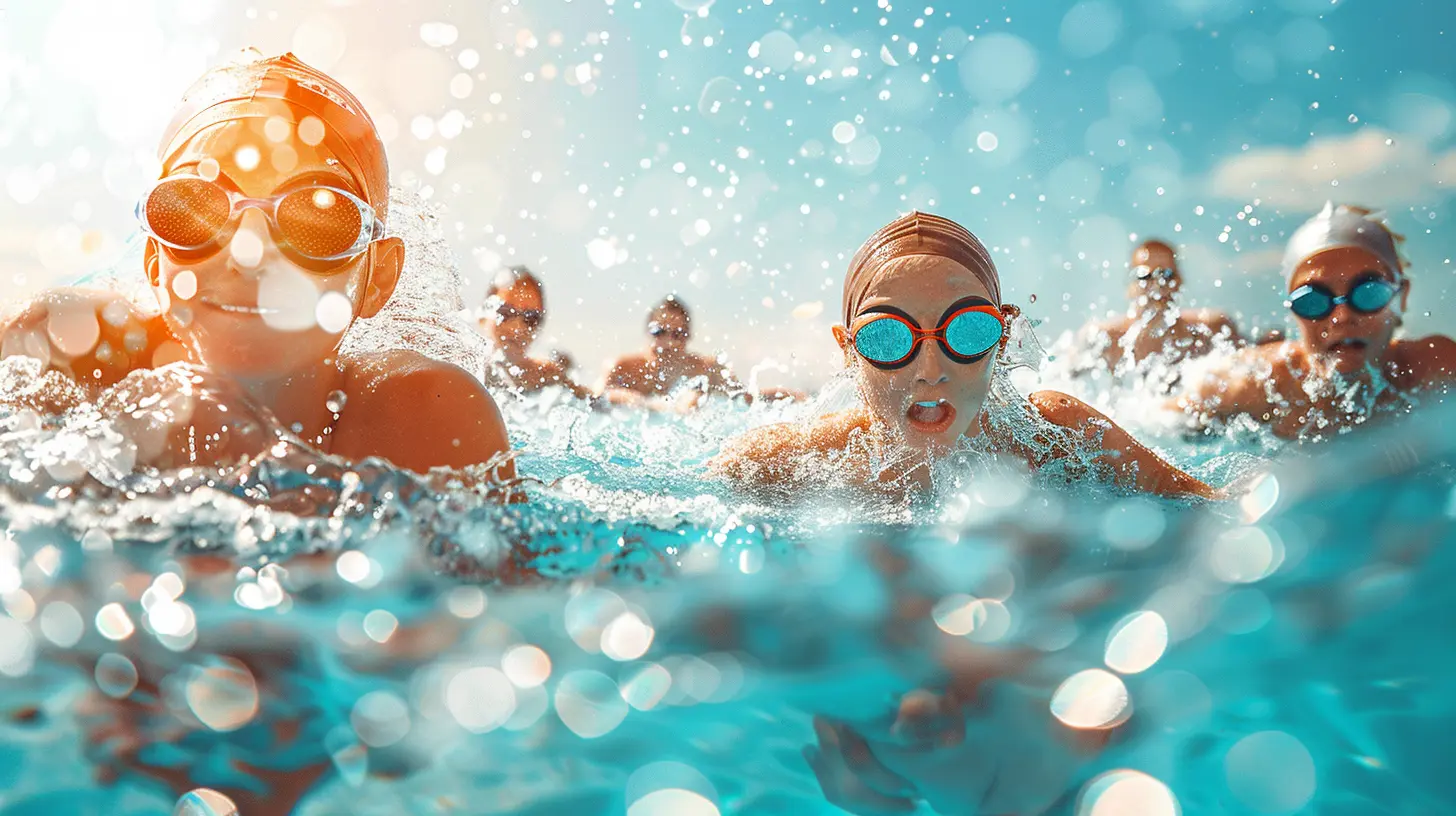
Timing Is Everything: When to Start Your Warm-Up
Planning your warm-up isn't just about what you do—it's also about when you do it. Ideally, your warm-up should end roughly 20-30 minutes before your race.Why the gap?
That window gives your body time to recover from the warm-up itself while still staying “primed” for performance. Too soon, and you might cool down too much. Too late, and you could feel sluggish or rushed.
So, keep an eye on your heat schedule and plan accordingly. Set a timer if needed. The key here is balance.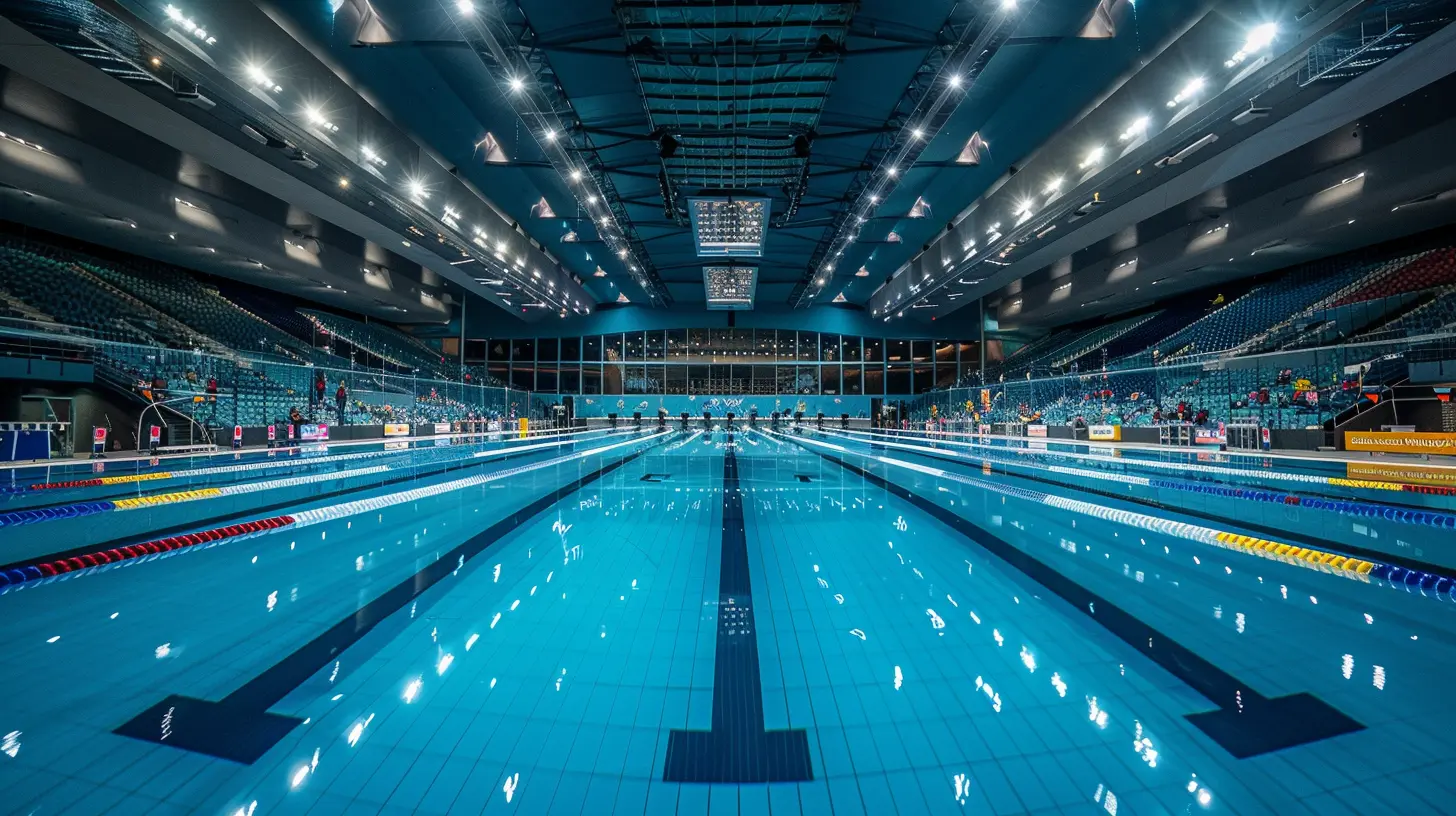
Dryland vs. In-Water Warm-Ups: Why You Need Both
Let’s split this into two parts: dryland (on land) and in-water warm-ups. Each one plays a critical role, and combining both is what gives you the full benefit.Dryland Warm-Up
This is what you do outside the pool, usually about 15–20 minutes before you hit the water.Think of it as your ignition switch.
What to Include:
- Light cardio: Jumping jacks, jogging in place, jump rope—just to get your blood moving and elevate your core temp.- Dynamic stretches: Arm circles, leg swings, shoulder rolls. Keep movements fluid and controlled.
- Mobility drills: Think arm swings that mimic your stroke, lunges with twists, or resistance band workouts for shoulder activation.
- Focus drills: Breathing exercises or short meditations to calm race-day jitters.
Don't go full beast mode here. The point is to wake up your body—not gas yourself out before even entering the water.
In-Water Warm-Up
Once you’ve done your dryland session and you're allowed pool access, it's time to transition.What to Include:
- Easy swimming (5–10 minutes): Start with a slow, relaxed pace to get a feel for the water and work on your form.- Drills (10–15 minutes): Focus on stroke technique—catch, pull, kick, and turn. Pick drills that match your strokes for the day.
- Build-up swims: Gradually increase your speed over 50 or 100 meters; think of it like shifting gears on a bike.
- Sprints and race-pace sets: Do a few 25m or 50m sprints at race pace. These should mimic the pace of your actual race without pushing to full exhaustion.
- Starts and turns (if allowed): Practice your dive starts and flip turns to reinforce muscle memory.
Remember, the aim isn’t distance—it's precision. Quality over quantity wins here every time.
Don’t Skip Mental Prep
Warming up isn’t just physical—it’s also a chance to get your head in the game. Mental prep is your secret weapon, especially under pressure.Try visualization before your race. Close your eyes and imagine your race from start to finish. Picture your dive, your stroke, your turns—even your finish.
Why bother? Because your brain doesn’t really know the difference between a vividly imagined event and a real one. Rehearsing mentally primes your nervous system and reduces performance anxiety.
Simple breathing exercises can help too. A few deep inhales and exhales slow your heart rate and steady your nerves.
Time Management at the Swim Meet
Swim meets can be chaotic. Events change, heats get reshuffled, and delays happen. That’s why you need to be your own warm-up manager.Here’s how to stay on top of it:
- Know the schedule: Check start times and heat sheets early on.
- Be flexible: Warm-ups might get shortened if lanes are crowded. Be ready to adjust.
- Don’t wait till the last minute: Aim to arrive at the venue at least 90 minutes before your first event.
- Rewarm between events: If it’s a long meet, do quick dryland drills to keep your muscles warm.
Your energy is like battery life—manage it wisely.
Hydration and Nutrition: Fueling Your Engine
You wouldn’t run a marathon on an empty tank, right? Same deal here. Pre-meet nutrition and hydration are part of the warm-up puzzle.What to Eat:
- Carbs are your friend: Think bananas, oatmeal, energy bars.- Keep it light: Avoid heavy, greasy meals that slow you down.
- Small meals every few hours leading up to your race work best.
What to Drink:
- Water, water, and more water.- Electrolyte drinks are great, especially if the venue is warm.
Stay away from caffeine overloads or sugary drinks that spike your energy and drop it just as fast.
Tailor It To Your Events
Warming up for a 50m freestyle isn’t the same as prepping for a 400m IM. Your warm-up should reflect the demands of your event.Sprint Events
- Focus on explosive starts and short bursts at race speed.- Do more race-pace work and short interval sprints.
Middle to Long-Distance Events
- Emphasize endurance with longer warm-up swims.- Pay attention to pacing drills and technique refinement.
Know your body. Some swimmers need more warm-up time, others less. Experiment in practice before meet day so you know what works best for you.
Common Mistakes to Avoid
Even experienced swimmers can mess up their warm-up, often without realizing it. Keep an eye out for these traps:- Skipping dryland completely: Don’t rely on the pool alone to get you ready.
- Warming up too hard: This isn’t your race. If you’re gassed before the event, you’ve overdone it.
- Doing the same routine for every event: Your warm-up should vary depending on the stroke and distance.
- Not adjusting for the environment: Cold pools? Add more dryland. Crowded lanes? Cut the yardage and focus on quality.
- Forgetting to rewarm between events: Especially in long gaps, keep your body awake with light movement.
Final Pre-Race Checklist
Right before you step up on the blocks, run through this quick checklist:- ✅ Muscles feel loose and ready
- ✅ Breathing is stable and calm
- ✅ Mind is focused and visualizing the race
- ✅ You’ve done a few sprints at race pace
- ✅ Your suit is adjusted, cap and goggles are secured
- ✅ Confidence level? Sky high
Take a deep breath. It’s go time.
Warm-Up Example Routine (Sample)
Here’s a simple warm-up template you can tweak based on your needs:Dryland (10–15 minutes)
- 2 mins light jog or jump rope- 30 arm circles (forward & backward)
- 15 leg swings (each leg)
- 10 bodyweight squats
- 10 push-ups or resistance band pull-aparts
- 5 deep breaths in through nose, out through mouth
In-Water (20–30 minutes)
- 400m easy swim- 4 x 50m drill/swim by stroke
- 4 x 25m build-up swims
- 2 x 25m sprints at race pace
- 2 x starts with 15m breakout
- 100m easy cooldown
Mix and match based on time, space, and your individual needs.
Conclusion: Warming Up Is Your Secret Weapon
Warming up isn’t just some boring tradition—it’s a science-backed, performance-boosting piece of your race-day puzzle. When you warm up effectively, you’re not just preparing your body; you’re setting the tone for a smart, focused, and fast performance.Build a warm-up routine that works for you, tweak it as needed, and stick to it religiously. The pool doesn’t reward luck—it rewards preparation.
So, next time you head to a swim meet, ask yourself: Am I really ready to race… or did I just go through the motions?
Fire up that engine the right way, and you’ll feel the difference before the first beep.
all images in this post were generated using AI tools
Category:
SwimmingAuthor:

Easton Simmons
Discussion
rate this article
2 comments
Maria Gilbert
Get ready to make a splash! Warming up is like the secret sauce to a great swim meet—mix some fun moves with a splash of enthusiasm, and dive in! 🏊♂️💦
February 3, 2026 at 3:57 AM
Easton Simmons
Absolutely! A fun warm-up is essential for peak performance—let's make a splash and enjoy the process! 🏊♀️✨
Francesca Gill
Warming up properly enhances performance; don’t skip this vital step!
December 30, 2025 at 5:40 AM
Easton Simmons
Absolutely! A proper warm-up is essential for optimizing performance and reducing the risk of injury. Thanks for highlighting its importance!