How to Find and Surf Secret Spots
26 January 2026
Surfing is all about chasing that perfect wave, but sometimes the most rewarding surf sessions happen far from the crowded beaches, where the waves are untouched, and the surf is pure. These hidden gems, also known as "secret spots," are the ultimate goal for many surfers looking for uncrowded, pristine waves. But how do you find these elusive spots? And once you do, how do you surf them without blowing their cover?
In this guide, we’ll break down how to find and surf secret spots while keeping them under wraps. From researching hidden surf breaks to understanding surf etiquette, this is your ticket to a more secluded, adventurous surfing experience.

What Exactly Is a "Secret Spot"?
Before we dive into the hunt for secret spots, let’s clarify what we mean by a "secret spot." A secret spot is essentially a surf break that isn't widely known or regularly surfed. These places are often off the beaten path, harder to access, and not listed in surf guides or apps. They’re the ocean’s best-kept secrets, often hidden in plain sight, waiting for the adventurous surfer to stumble upon them.Why Are Secret Spots So Coveted?
Simple: fewer people, more waves. Imagine paddling out and not having to fight for waves with a crowd. Secret spots offer the opportunity to experience surfing in its most raw and natural form. Plus, there’s something magical about discovering a wave that feels like it was made just for you.But it’s not only about having the waves to yourself. Secret spots also tend to be less commercialized, offering a more intimate connection with nature. No beach bars, no surf schools — just you, your board, and the ocean.

How to Find Secret Surf Spots
Now that you’re sold on the idea of secret spots, how do you actually find them? It’s not as easy as opening Google Maps and typing "secret surf spots near me." It takes effort, patience, and a little bit of detective work. But trust me, the payoff is worth it.1. Use Satellite Maps
One of the easiest ways to start your search is by using satellite maps. Platforms like Google Earth or Google Maps allow you to zoom in on coastlines and look for promising surf breaks. Look for areas that have good wave exposure, such as points, reefs, or sandbars, but that aren’t near major cities or tourist hubs.Many secret spots are tucked away in obscure coastal nooks, hidden behind cliffs or vegetation. Take the time to study a stretch of coastline you’re interested in. Zoom in closely, and pay attention to shapes in the water — you might catch a glimpse of a peeling wave that no one else has noticed.
2. Talk to the Locals (But Be Cool About It)
The best way to learn about secret spots is from people who already know about them — the locals. However, surfers are notoriously protective of their local breaks, especially secret ones. So, you’ve got to approach this delicately.Don’t just straight up ask, “Hey, where’s the secret spot?” That’s a fast way to get cold shoulders and dirty looks. Instead, build relationships with the local surf community. Spend time surfing the more well-known spots, chat with people, and earn their trust. Over time, they might drop hints or invite you to tag along to their more secluded surf breaks.
3. Explore Remote Areas
Sometimes, finding a secret spot can be as simple as loading up your car with your board, some snacks, and a sense of adventure, and hitting the road. Remote areas, far from tourist traps, tend to hold the best-kept secrets. Think less popular coastlines, national parks with coastal access, or areas that require a hike to reach the beach.When you’re exploring, be prepared for a bit of trial and error. Not every spot you find will be surfable, or it might be inconsistent. But every once in a while, you’ll stumble across that perfect wave, and it’ll all be worth it.
4. Check Swell and Wind Conditions
Even the most perfect secret spot won’t be surfable if the swell and wind conditions aren’t right. Before you go hunting, make sure you understand how different types of waves break and how wind and swell affect them.For instance, reefs tend to work better with certain swell directions, while beach breaks are more sensitive to tides. Use surf forecasting tools to analyze the conditions of an area before you head out. That way, you won’t waste time driving to a spot that’s flat or blown out.
5. Pay Attention to Word of Mouth
While serious surfers tend to guard their secret spots with their life, sometimes word of mouth slips through the cracks. Listen carefully when you’re chatting with other surfers or in surf shops. People often drop subtle hints without giving away the exact location.For example, someone might mention a great wave they surfed "an hour south of here." That’s your cue to start narrowing down your search. Pay attention to these clues and use them as jumping-off points for your own exploration.
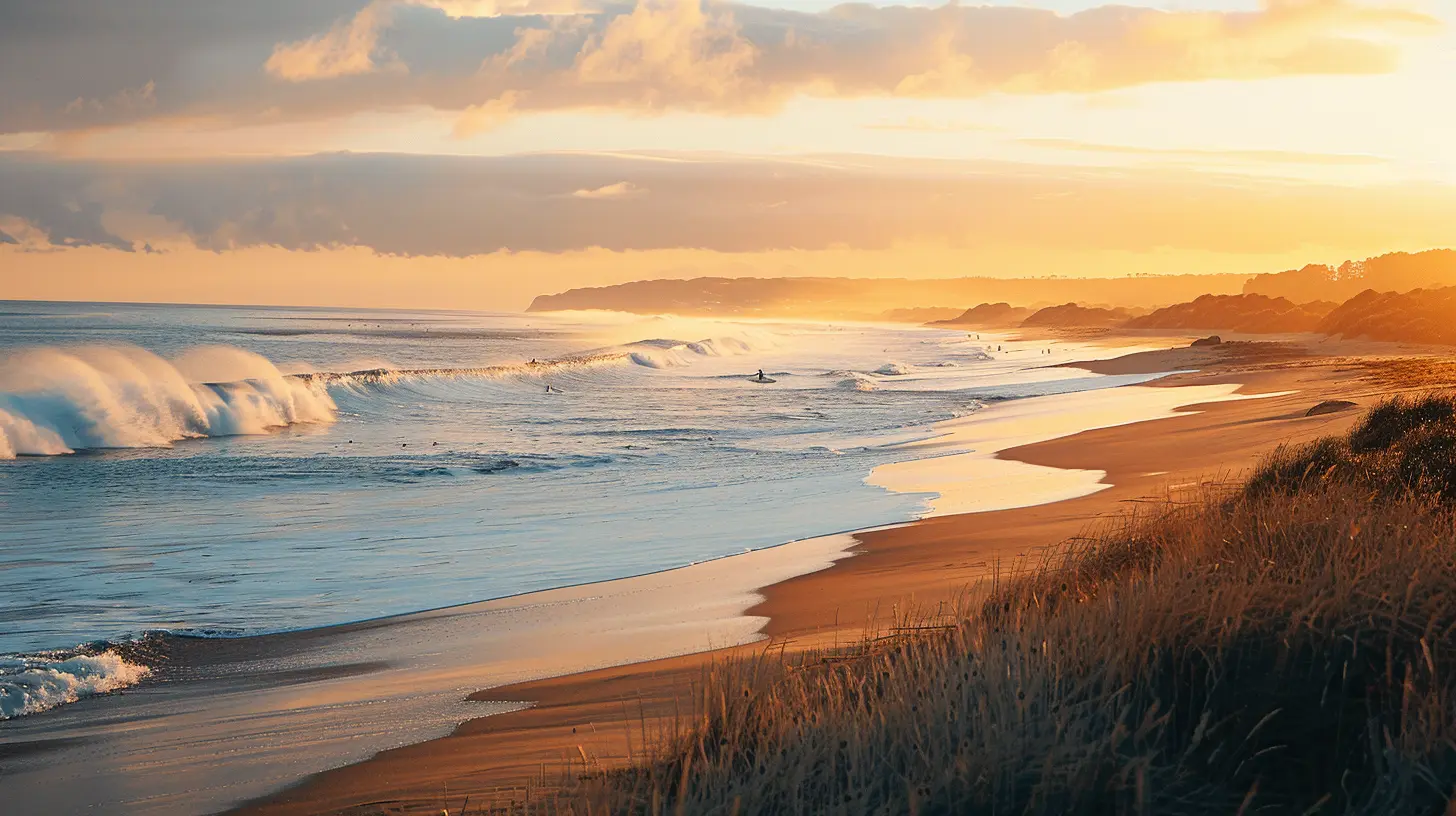
Surfing Secret Spots Without Ruining Them
Finding a secret spot is only half the battle. The other half is surfing it responsibly. The last thing you want to do is blow up the spot and turn it into the very thing you were trying to avoid: a crowded, overrun break.1. Don’t Post About It on Social Media
This one should go without saying, but in today’s world of instant gratification, it needs to be said: don’t post about secret spots on social media. Nothing kills a secret spot faster than a geotagged Instagram post. If you want to share your session with friends, send them a private message or keep the details vague.2. Respect the Locals
If you’re surfing a spot that’s new to you, chances are the locals have been surfing there for a long time. Respect their territory. Follow local surf etiquette, don’t snake waves, and be friendly in the lineup. If you’re respectful, the locals may even appreciate your presence — but if you act like you own the place, you’ll be shown the door real quick.3. Leave No Trace
Secret spots tend to be in remote, pristine environments. The last thing these places need is trash or signs of human activity. Pack out whatever you bring in, and leave the spot as clean, or cleaner, than you found it. This goes beyond just picking up your trash — avoid trampling vegetation, and be mindful of your impact on the surrounding ecosystem.4. Don’t Bring a Big Group
As tempting as it may be to show all your buddies the secret spot you just found, resist the urge to bring a crowd. Secret spots stay secret because they’re not overrun with people. If too many surfers start showing up, the spot will lose its magic — and the locals won’t be happy. Keep your group small, and enjoy the peace and quiet.
The Ethics of Secret Spots
There’s a lot of debate in the surfing community about the ethics of secret spots. Some argue that surf spots belong to everyone, and that keeping them secret is selfish. Others believe that secret spots are sacred and should be protected from overexposure.Wherever you stand on the issue, it’s important to approach secret spots with respect. These places are special because they’re untouched by crowds, commercialization, and development. By keeping them secret, you’re preserving a little slice of surfing heaven for future generations of surfers to enjoy.
The Thrill of Discovery
At the end of the day, one of the most rewarding aspects of surfing secret spots is the thrill of discovery. It’s not about having a spot to yourself just for the sake of it — it’s about the adventure of finding a place that feels like it’s yours, even if only for a moment.There’s something deeply satisfying about surfing a wave that few others have surfed before. It reminds you of why you fell in love with surfing in the first place: the connection to nature, the sense of adventure, and the endless search for that perfect wave.
So, pack your board, hit the road, and start your hunt for the secret spots. Who knows — your next surf session could be at a wave no one else has even heard of.
all images in this post were generated using AI tools
Category:
SurfingAuthor:

Easton Simmons
Discussion
rate this article
2 comments
Ryan Wyatt
Great article! Exploring secret surf spots adds excitement to the sport. Consider joining local surf communities or forums to discover hidden gems. Always respect the environment and fellow surfers to ensure these spots remain enjoyable for everyone. Happy surfing!
February 23, 2026 at 6:05 AM
Easton Simmons
Thank you for your feedback! I completely agree—connecting with local surf communities is a fantastic way to uncover hidden gems while promoting a respectful surfing culture. Happy surfing!
Sorin Ross
Great article! Discovering secret surf spots adds a thrilling element to the sport. I appreciate the tips on research and community engagement. Can't wait to apply these strategies and explore new waves! Keep up the good work!
February 1, 2026 at 5:23 AM
Easton Simmons
Thank you for your kind words! I'm glad you found the tips helpful. Enjoy exploring those secret spots and catching some awesome waves!