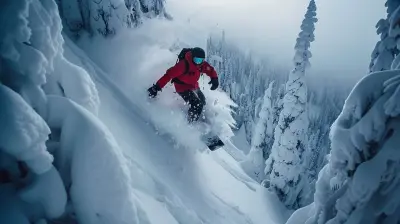
How Ski Resorts Prepare for the Winter Season
7 November 2026
As the leaves begin to change and the days grow shorter, ski resorts across the globe gear up for the winter season. This preparation is not just about putting up a few signs and waiting for snow; it involves meticulous planning, strategic investments, and a deep understanding of both the environment and customer expectations. In this article, we will delve into the multifaceted ways ski resorts prepare for winter, covering everything from snowmaking to staff training, marketing strategies, and infrastructure improvements.

Understanding the Seasonal Cycle
The Importance of Timing
Winter sports enthusiasts often have a specific timeframe in mind when planning their trips. Ski resorts must align their operations with this seasonal cycle to maximize both attendance and revenue. The preparation begins well before the snow falls, often in late summer or early fall. This planning phase includes assessing previous seasons, analyzing customer feedback, and forecasting weather patterns.Historical Data and Trends
Many resorts utilize historical data to predict the upcoming season's needs. This includes analyzing snowfall patterns, visitor numbers, and even economic indicators. For instance, a resort that experienced a particularly high volume of visitors one year might anticipate similar trends if conditions are favorable. Conversely, if a previous season was marked by low snowfall, the resort may invest more heavily in snowmaking equipment.
Snowmaking: The Backbone of Winter Operations
The Role of Technology
Snowmaking has become an essential part of ski resort operations. With climate change impacting natural snowfall, many resorts have invested in advanced snowmaking technologies. These systems use a combination of water, air, and temperature to create artificial snow, ensuring that the slopes are ready for skiers regardless of natural conditions.Planning for Snowmaking
Resorts must assess their water sources, equipment capabilities, and energy costs when planning snowmaking operations. For example, a resort located near a river may have more efficient access to water than one that relies on groundwater. energy costs can vary significantly, influencing decisions about when and how much snow to produce.Best Practices in Snowmaking
- Timing: Start snowmaking as early as possible, ideally when temperatures are consistently below freezing. This allows for a solid base before the peak season.- Quality Control: Monitor the quality of the snow produced to ensure it meets the expectations of skiers. The right snow consistency can enhance the skiing experience.
- Sustainability: Consider the environmental impact of snowmaking. Some resorts are investing in renewable energy sources to power their equipment, reducing their carbon footprint.

Infrastructure Improvements
Lifts and Terrain Maintenance
As winter approaches, ski resorts often inspect and upgrade their lift systems and terrain. Regular maintenance ensures safety and efficiency. This might include replacing old chairs, updating safety mechanisms, or even expanding lift capacity in response to increased visitor numbers.Grooming and Terrain Parks
Grooming the slopes is another crucial aspect of preparation. Resorts employ grooming machines to maintain an even surface, making skiing safer and more enjoyable. many resorts focus on developing terrain parks to cater to freestyle skiers and snowboarders. The design and setup of these parks require careful planning and execution to ensure they meet safety standards while providing fun challenges.Facilities and Amenities
Beyond the slopes, resorts must prepare their facilities. This includes ensuring that lodges, restaurants, and rental shops are ready to serve guests. Upgrades might involve renovating dining areas, expanding rental inventories, or enhancing guest services. Creating a welcoming atmosphere can significantly impact customer satisfaction and repeat business.
Staffing and Training
Hiring Seasonal Workers
With the influx of visitors comes the need for additional staff. Ski resorts typically hire seasonal workers for various roles, including ski instructors, lift operators, and hospitality staff. The hiring process often begins in late summer, ensuring that the right personnel are in place before the season starts.Training and Safety Protocols
Once hired, staff undergo training that covers not only operational procedures but also safety protocols. This is particularly important in skiing, where safety is paramount. Training programs often include:- Customer Service: Ensuring staff can provide excellent service enhances the overall guest experience.
- Emergency Procedures: Staff must be familiar with emergency protocols, including first aid and evacuation procedures.
- Equipment Handling: Proper training on the use of ski lifts and grooming equipment is crucial for safety and efficiency.
Marketing Strategies
Building Anticipation
As winter approaches, ski resorts ramp up their marketing efforts to attract visitors. This often includes social media campaigns, partnerships with travel agencies, and promotions targeting specific demographics, such as families or adventure seekers. Creating buzz around events, such as opening day celebrations or holiday activities, can also drive interest.Digital Presence and Booking Systems
In today's digital age, an effective online presence is vital. Resorts invest in user-friendly websites that allow for easy booking and provide information about conditions, events, and amenities. Many resorts also leverage email marketing to keep potential visitors informed about deals and special events.Engaging with the Community
Building relationships with local communities and businesses can enhance a resort's reputation and attract visitors. Collaborations might include hosting local events, offering discounts to residents, or participating in community service projects. These efforts can foster goodwill and create a loyal customer base.
Environmental Considerations
Sustainability Initiatives
Ski resorts are increasingly aware of their environmental impact. Many have implemented initiatives aimed at sustainability, such as reducing energy consumption, managing waste, and protecting local ecosystems. For example, some resorts are investing in solar panels or wind energy to power their operations.Climate Adaptation
As climate change affects snowfall patterns, resorts must adapt their strategies. This might involve diversifying winter offerings to include activities like snowshoeing or fat biking, which can be enjoyed on less-than-ideal snow conditions. resorts may explore ways to improve water management for snowmaking or invest in more efficient equipment.Common Challenges and Solutions
Weather Uncertainty
One of the most significant challenges ski resorts face is unpredictable weather. A warm spell during the winter can lead to reduced snow coverage and lower visitor numbers. To mitigate this risk, resorts must be proactive in their snowmaking efforts and offer diverse activities to attract guests regardless of conditions.Competition
With many ski resorts competing for the same audience, differentiation becomes critical. Resorts must identify their unique selling points, whether it be exceptional customer service, unique terrain, or family-friendly amenities. Understanding the target market and tailoring offerings accordingly can help a resort stand out.Managing Costs
As operational costs rise, resorts must find ways to maintain profitability without compromising quality. This might involve strategic pricing, optimizing staffing levels, or investing in energy-efficient technologies. Regular financial analysis can help resorts make informed decisions about where to cut costs and where to invest.
Conclusion
Preparing for the winter season is a complex and multifaceted process for ski resorts. From snowmaking and infrastructure improvements to staffing and marketing strategies, every aspect requires careful planning and execution. By understanding the challenges and opportunities inherent in the ski industry, resorts can enhance their appeal, improve customer satisfaction, and ultimately succeed in a competitive marketplace.As the winter season approaches, ski resorts that invest in thorough preparation not only improve their operational efficiency but also create memorable experiences for their guests. The combination of technology, skilled personnel, and a commitment to sustainability will ensure that ski resorts remain a beloved destination for winter sports enthusiasts for years to come.
all images in this post were generated using AI tools
Category:
SkiingAuthor:

Easton Simmons