Eco-Friendly Surf Gear: A Sustainable Approach to Surfing
28 February 2026
There’s nothing quite like that feeling of catching your first wave of the day, the sun overhead, saltwater in your hair, and the ocean all around. But while surfing connects us deeply with nature, the gear we use often comes with a surprisingly heavy environmental cost. Traditional surfboards, wetsuits, and even wax are often made with toxic chemicals and materials that aren’t biodegradable. That’s a real bummer for surfers who care about the ocean they ride.
Thankfully, it’s 2024 and we’re seeing a fresh wave of change in the surf industry — pun totally intended. Eco-friendly surf gear isn’t just a trend; it’s a movement. A commitment. A way to ride more consciously while still ripping it up out there.
So, if you’re curious (and I hope you are!) about how to make your surf setup more sustainable, you’re in the right place. Let’s dive into the world of eco-friendly surf gear and how you can make simple swaps for the planet without sacrificing performance.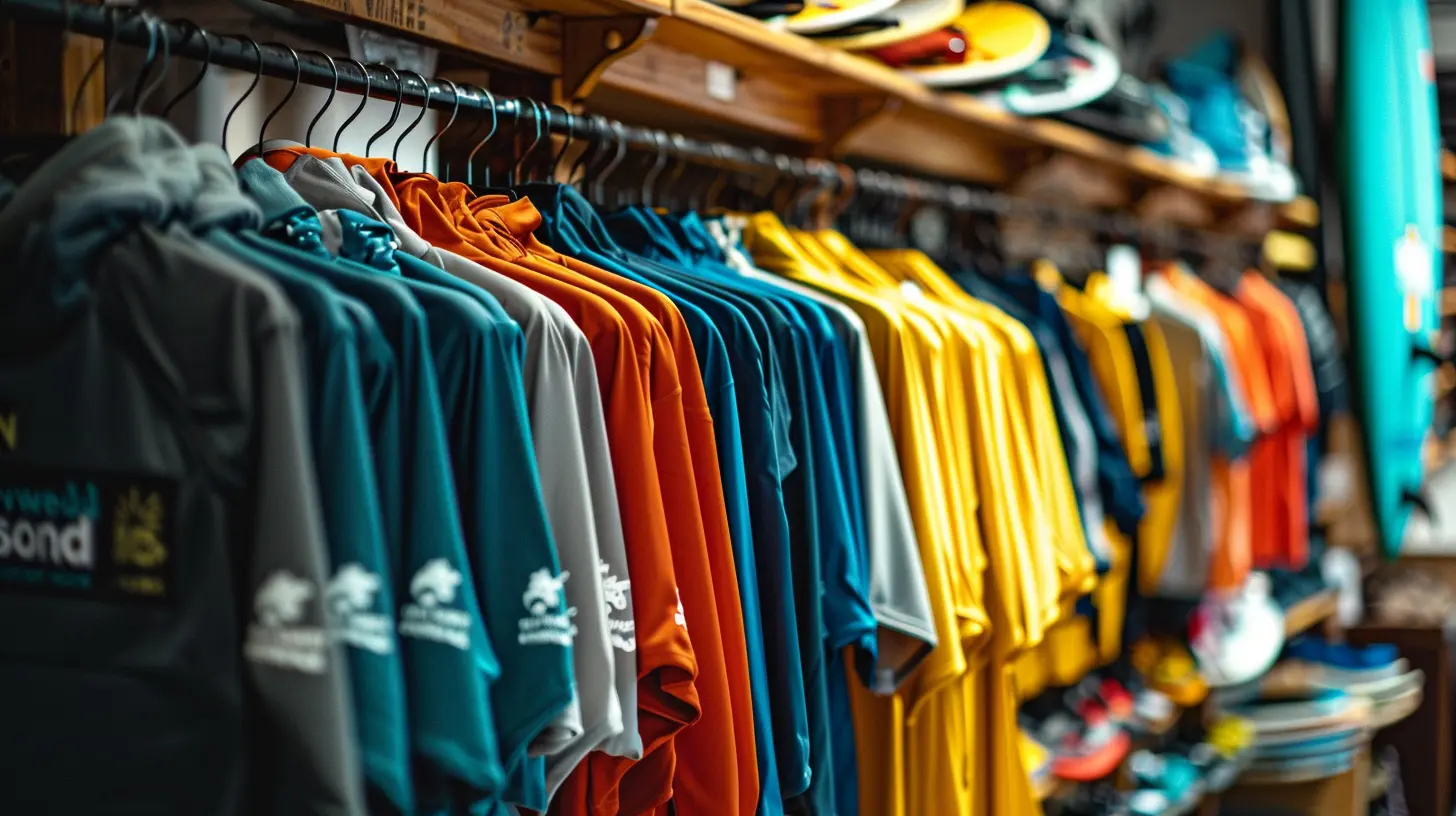
Why Sustainable Surfing Matters
It might surprise you, but the average surfboard is full of nasty stuff — polyurethane foam, fiberglass, polyester resin... not exactly ocean-friendly ingredients. These materials contribute to greenhouse gas emissions, are non-biodegradable, and can leach toxins into the environment.Think about this: the very tools we use to enjoy and celebrate the ocean are quietly harming it. It doesn’t sit right, does it?
We’re all here because we love the sea — the freedom, the beauty, the connection. So doesn’t it make sense to protect what we love? Choosing sustainable surf gear isn’t just about being “eco.” It’s about respect. It’s about being part of the solution, not the problem.
What Makes Surf Gear Eco-Friendly?
Before we go full-on green machine, let’s break down what actually qualifies as eco-friendly surf gear.- Sustainable Materials: Made from renewable, recycled, or biodegradable materials (like reclaimed wood, cork, Yulex rubber, or recycled plastic).
- Low Emissions: Manufactured using processes that reduce carbon footprints.
- Non-Toxic: Free from harmful chemicals or resins that can leach into the ocean.
- Durability: Designed to last longer, reducing waste over time.
- Ethical Production: Produced under fair labor practices, often by smaller, values-driven companies.
It’s not just about one aspect — it’s the full life cycle of the product, from sourcing to eventual disposal.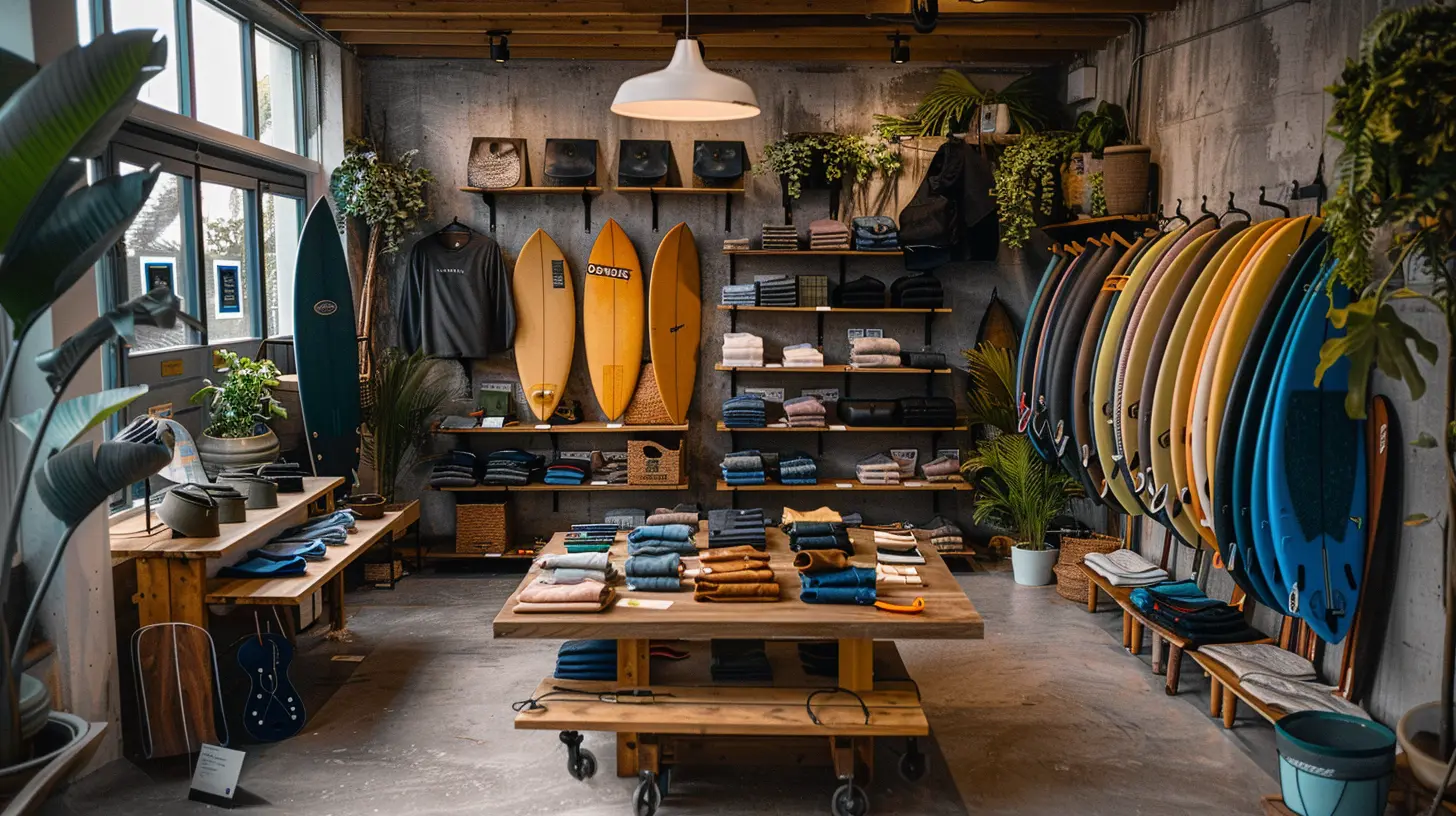
Eco-Friendly Surfboards: Ride the Wave Responsibly
Alright, let’s start with the big one: the surfboard. Traditional boards might ride great, but they leave a toxic trail behind them. Luckily, forward-thinking shapers and brands are stepping up with greener alternatives.1. Recycled Foam Boards
Some companies now produce surfboards using EPS (Expanded Polystyrene) foam that's been recycled — keeping materials out of landfills and crafting boards that still perform.2. Wooden Surfboards
Talk about old school in the best way possible! Wooden boards made from sustainably harvested timber or reclaimed wood are beautiful, durable, and eco-conscious. Sure, they tend to be heavier, but they glide like a dream and turn heads on the beach.3. Algae-Based and Hemp-Fiber Boards
Yep, algae. Science is wild — and in this case, wonderful. Biotech companies are creating surfboard blanks from algae instead of petroleum. Paired with hemp fiber and plant-based resins? You get one of the most sustainable setups on the planet.
Wetsuits That Don’t Hurt the Ocean
Let’s talk wetsuits. Most are made from neoprene, a synthetic rubber derived from petroleum. Neoprene doesn’t biodegrade, and making it produces greenhouse gases. So what’s the greener alternative?1. Yulex® Wetsuits
Yulex is a game-changer. It’s a natural rubber made from sustainably harvested Hevea trees. Brands like Patagonia and Vissla offer wetsuits made with Yulex, and they’re just as warm and flexible as traditional neoprene — but way kinder to the Earth.2. Recycled Neoprene
Some companies use limestone- or recycled-based neoprene. While it’s not perfect, it’s a step in the right direction. Look for brands that also focus on clean production processes and ethical labor.Eco Wax and Leashes? Yep, They Exist!
1. Surf Wax Without the Gunk
Conventional surf wax often contains petrochemicals, synthetic fragrances, and paraffin. Not exactly stuff you want dissolving into the ocean. Eco waxes made from beeswax, coconut oil, tree resin, or soy are just as grippy with none of the toxicity.2. Sustainable Leashes
Most leashes are made with polyurethane and nylon. Some eco-minded companies now use recycled ocean plastic, natural rubber, or biodegradable components. They’re tough, reliable, and way more ocean-positive.Surf Apparel: Wear What You Believe In
You might not think twice about your surf tee or boardshorts, but your surfwear choices matter too. Fast fashion is one of the biggest polluters on the planet — and the surf industry hasn’t been immune.1. Organic and Recycled Fabrics
Look for clothes made from organic cotton, hemp, recycled polyester (rPET), or even upcycled ocean plastics. They use less water, energy, and chemicals during production.2. Fair Trade and Ethical Labels
Support brands that pay fair wages, ensure safe working conditions, and minimize their supply chain footprint. Because good vibes should extend beyond the waves.Sunscreen: Small Tube, Big Impact
Did you know that some of the most common sunscreen ingredients—like oxybenzone and octinoxate—are real trouble for coral reefs? Even a tiny bit can bleach coral and disrupt marine life.1. Mineral-Based Sunscreens
Go for reef-safe options made with zinc oxide or titanium dioxide. They stay on better in the water, work just as well, and don't have all the awful side effects for marine ecosystems.Look for biodegradable packaging and certifications like “non-nano” and “reef-safe” — they matter more than you think.
Brands Making Waves in Sustainability
A few standout brands are totally rethinking what it means to be a surfer in today’s climate-conscious world. If you want to support businesses leading the charge, check these out:- Patagonia: Known for sustainable wetsuits and fair-trade surfwear.
- Firewire: Creates sustainable surfboards using recycled and bio-based materials.
- Vissla: Offers eco wetsuits and boardshorts made from upcycled coconut fibers (nope, not kidding!).
- Picture Organic Clothing: Leverages bio-sourced and recycled materials in all surfwear.
- GreenFlex: Makes high-performance leashes and fins from recycled materials.
- Matunas: 100% natural surf wax made on a family farm in California.
Tips for Being an Ocean-Friendly Surfer
Going green isn't only about what you buy. It’s also about how you surf and live.1. Reduce, Reuse, Recycle
Repair your gear instead of replacing it. Extend the life of your wetsuits, clothes, and boards.2. Support Local Shapers
Avoid mass production and the shipping emissions that come with it. A local board from a local shaper? That's sustainability and community support rolled into one.3. Carpool or Bike to the Beach
It’s good for the planet and a great way to make new surfer friends.4. Respect the Ocean
Leave the beach cleaner than you found it. Pack reusable bottles, say no to single-use plastics, and spread the word about eco-friendly surfing.The Future of Surfing Is Green
Let’s keep it real: we can’t surf without healthy oceans. The plastic problem isn’t going away on its own, and climate change is already affecting wave patterns, water temperatures, and marine life. The surf community — tight-knit, passionate, and deeply connected to nature — is in a unique position to lead the way.Making the switch to eco-friendly surf gear isn’t just a nod to sustainability. It’s a bold stance. A ripple that can turn into a wave. And the best part? It doesn’t take much — one greener board, one pair of sustainable trunks, one reef-safe sunscreen at a time.
So next time you wax up your board or zip up your wetsuit, ask yourself: is this gear helping or harming the ocean I love?
And if you’ve got some old, toxic gear? Don’t stress. Nobody’s perfect. Use it up, then make the next one count. This journey isn’t about guilt — it’s about growth.
Final Thoughts
Eco-friendly surf gear isn't just for hardened eco-warriors or pros on a sponsorship. It's for anyone who’s ever danced on the waves and felt grateful. It’s for every surfer who wants to give back to the ocean that gives us so much.The best part? Surfing sustainably doesn’t mean giving up performance, style, or comfort. It just means choosing better — for the sea, for the planet, and for generations of surfers to come.
Ready to paddle in?
all images in this post were generated using AI tools
Category:
SurfingAuthor:

Easton Simmons
Discussion
rate this article
2 comments
Sorin Gates
Great insights on sustainable surf gear! It’s encouraging to see eco-friendly options gaining traction in surfing.
March 28, 2026 at 3:51 AM
Easton Simmons
Thank you! I'm glad you found the insights valuable. It's exciting to see the shift towards sustainability in surfing!
Zeal McKnight
Impressive shift; sustainability redefines surfing culture.
March 5, 2026 at 5:21 AM
Easton Simmons
Thank you! It's exciting to see sustainability becoming a central part of surfing culture.