Developing Emotional Intelligence Through High School Sports
12 August 2026
High school sports are often talked about in terms of wins, losses, college scholarships, and physical fitness. But anyone who has spent time on a team knows that the real lessons go much deeper. The locker room, the practice field, and the bus ride home after a tough game are where teenagers learn how to handle frustration, read other people, and push themselves when no one is watching. That is emotional intelligence, and it is arguably the most valuable skill set a young person can carry into adulthood.
Emotional intelligence, or EQ, is the ability to recognize, understand, and manage your own emotions while also being aware of the emotions of others. It is not about being nice all the time. It is about being accurate. It is about knowing why you feel the way you feel, and using that knowledge to make better decisions. High school sports provide a unique, high-stakes, and socially rich environment where these skills are not just taught but tested every single day.
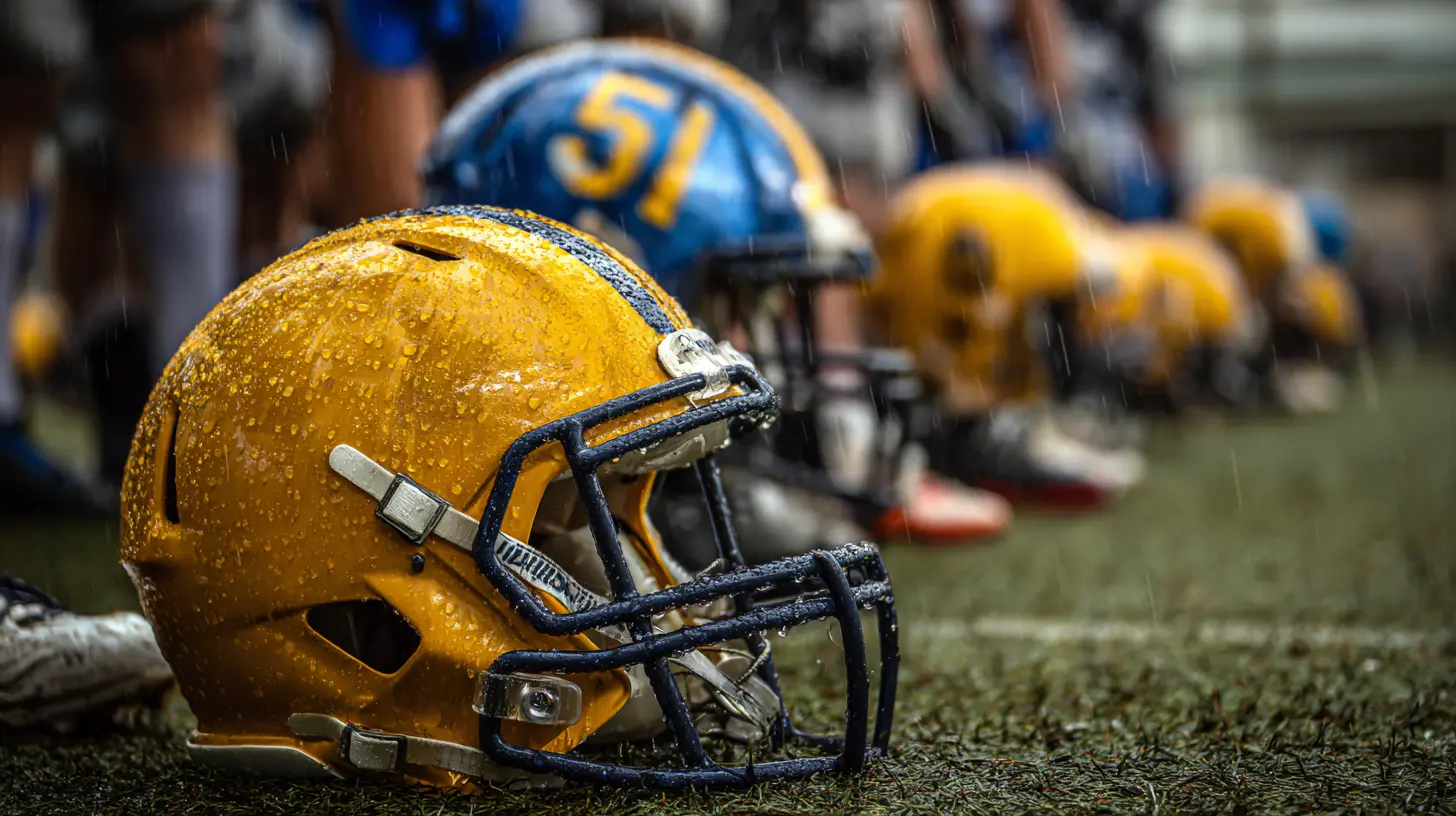
What Emotional Intelligence Actually Looks Like on a Team
Before diving into how sports build EQ, it helps to define the core components. Psychologists often break emotional intelligence into four main areas: self-awareness, self-management, social awareness, and relationship management. On a high school team, these play out in very concrete ways.Self-awareness is the ability to notice your own emotional state in real time. A basketball player who misses three free throws in a row might feel anger rising. If they notice that anger, they can take a deep breath and refocus. If they do not notice it, they might start forcing shots, fouling out of frustration, or snapping at a teammate.
Self-management is what you do with that awareness. It is the discipline to stay calm when the referee makes a bad call, or to keep working hard even when you are losing badly. It is not about suppressing emotions. It is about channeling them. A runner who feels nervous before a race can use that nervous energy to start fast, rather than letting it freeze them at the starting line.
Social awareness is the ability to pick up on what others are feeling. This is where empathy comes in. A volleyball captain who notices a teammate is down after a mistake knows when to offer encouragement and when to give space. They can read body language, tone of voice, and energy levels. This is not a mystical skill. It is a practiced one.
Relationship management ties everything together. It is the ability to communicate clearly, resolve conflicts, and build trust. It is the difference between a team that falls apart after a disagreement and a team that uses that disagreement to become stronger. High school sports are a pressure cooker for these skills because you cannot just walk away from your teammates. You have to find a way to work with them, even when you do not like them.
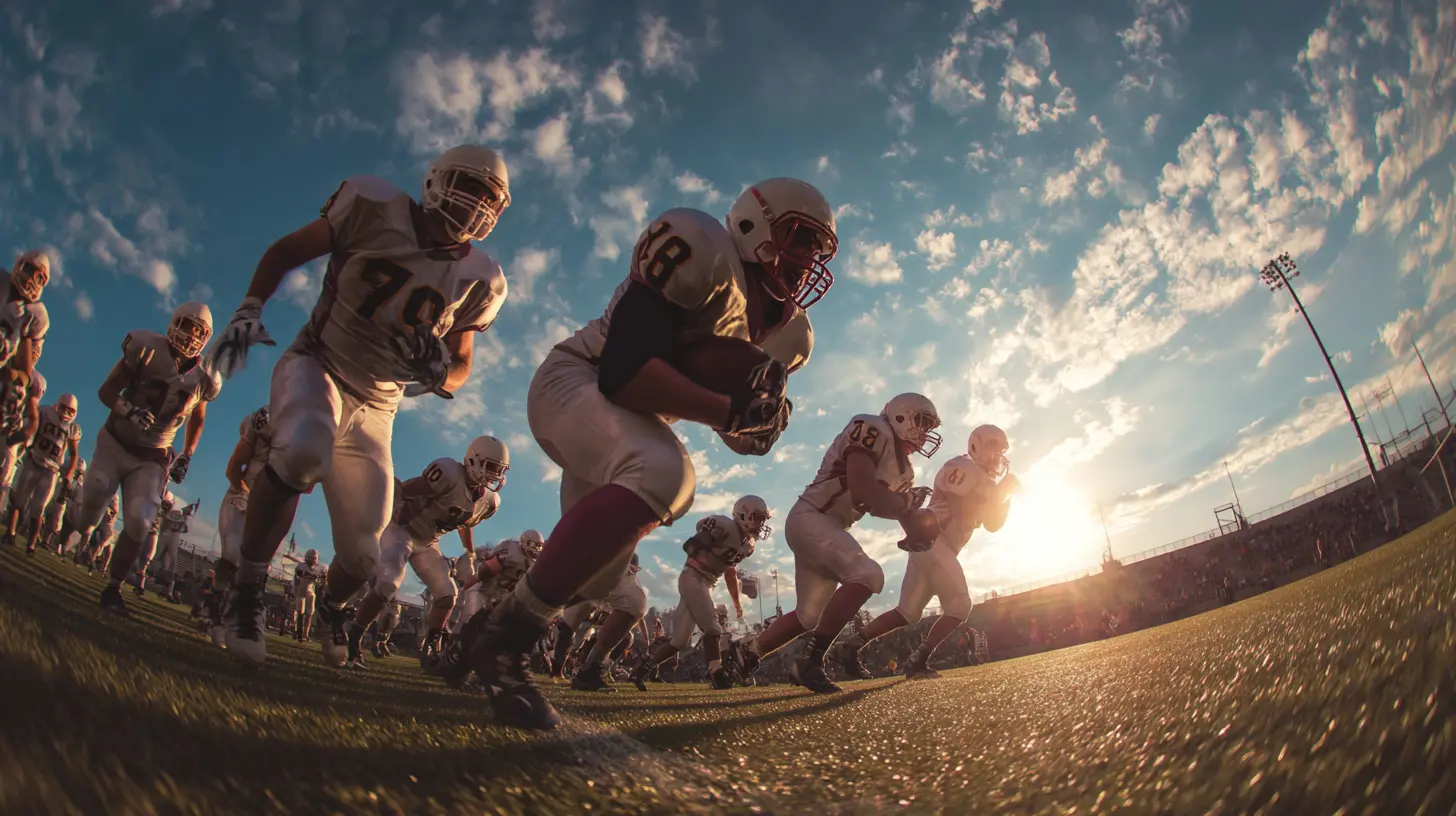
Why Sports Are a Better Classroom Than a Lecture Hall
You can teach emotional intelligence in a classroom. You can hand out worksheets about feelings and role-play scenarios. But that is like learning to swim by reading a book about swimming. The real learning happens when you are in the water, when you are tired, when the water is cold, and when you have to make a split-second decision.Sports create what psychologists call authentic learning experiences. The emotions are real. The stakes are real. A missed penalty kick in a tied game feels like the end of the world to a sixteen-year-old. That feeling is not theoretical. It is visceral. And because it is visceral, the lessons stick.
Consider the difference between a classroom discussion about handling criticism and a soccer practice where the coach yells at you for a lazy pass. In the classroom, you can nod along and say the right thing. On the field, you have to actually manage the sting of that criticism, decide whether it is fair, and then choose how to respond. You might feel embarrassed, angry, or defensive. You might want to quit. But you cannot quit in the middle of a drill. You have to stay and work through it.
That staying and working through it is the core of emotional growth. It builds a tolerance for discomfort. It teaches a teenager that feelings are temporary and that they do not have to control your actions. This is a lesson that no amount of lecturing can replicate.

The Role of Failure in Building Resilience
One of the biggest misconceptions about emotional intelligence is that it means feeling good all the time. That is not true. Emotional intelligence is not about avoiding negative emotions. It is about being able to handle them without falling apart.High school sports are full of failure. You lose games. You make mistakes. You get benched. You get cut. You miss the game-winning shot. For many teenagers, this is the first time they have experienced real, public failure. And that is a gift, even though it does not feel like one at the moment.
When a student fails a math test, they can hide it. They can crumple up the paper and shove it in their backpack. But when a team loses a championship game in front of the whole school, there is nowhere to hide. You have to shake hands with the other team. You have to look your coach in the eye. You have to get on the bus and sit next to your crying teammate.
This forced confrontation with failure is where resilience is built. The first time it happens, it is devastating. The second time, it is still painful, but it is familiar. By the third or fourth time, the athlete starts to realize that they survived. They learn that losing is not the same as being a loser. They learn that their worth is not tied to the scoreboard.
This is a crucial developmental milestone. Many adults in their thirties and forties still struggle with this. They avoid anything that might lead to failure because they never learned how to sit with it. High school athletes get a head start because they are forced to fail in public, over and over, until it becomes manageable.

Managing Conflict With Teammates and Coaches
Every team has conflict. It is unavoidable when you put a bunch of teenagers with different backgrounds, personalities, and goals into a shared space for several hours a day. The question is not whether conflict will happen. The question is what the athletes learn from it.A common mistake that coaches and parents make is trying to eliminate conflict. They want everyone to get along all the time. But that is not realistic, and it is not helpful. Conflict is a natural part of any relationship. The goal should be to teach athletes how to navigate it constructively.
For example, imagine two teammates who are competing for the same starting position. There is going to be tension. One of them might feel that the other is getting preferential treatment. The other might feel that the first one is not working hard enough. If they never address this, it will poison the team. But if they are taught to have an honest conversation, they can actually become better players because of it.
The emotionally intelligent approach is to separate the person from the problem. Instead of saying, "You are selfish and you never pass the ball," an athlete learns to say, "I feel like I am open a lot, but I am not getting the ball. Can we talk about how we can work better together?" This is a hard skill for adults. It is incredibly hard for teenagers. But sports give them a safe place to practice.
Coaches also play a huge role here. A coach who models emotional intelligence by staying calm during a bad game, by admitting their own mistakes, and by listening to player concerns, is teaching a lesson that goes far beyond the sport. On the other hand, a coach who screams, blames, and throws chairs is teaching the opposite. Athletes learn from what they see, not just what they are told.
The Social Pressure of Teams and the Art of Reading the Room
Being on a team means being around people constantly. That can be exhausting, especially for introverts. But it is also a powerful training ground for social awareness.Teenagers are often self-absorbed. That is not an insult. It is a developmental stage. Their brains are wired to focus on themselves, their own insecurities, and their own social standing. Sports force them to shift that focus outward. They have to notice when a teammate is struggling, when the energy in the locker room is low, or when the coach is in a bad mood.
This is the skill of reading the room. It is not about being fake or manipulative. It is about being attentive. A good teammate knows when to joke around and when to be serious. They know when to push someone and when to back off. They know that the same words said in a different tone can mean completely different things.
This skill transfers directly to the workplace, to romantic relationships, and to friendships. Adults who can read a room are better at job interviews, better at negotiating, and better at supporting their partners. High school athletes get an early start because they are constantly in situations where they have to adjust their behavior based on the emotions of others.
There is a trade-off here, though. Some athletes become so focused on the emotions of others that they neglect their own needs. They become people-pleasers. They suppress their own feelings to keep the peace. This is not true emotional intelligence. It is a survival strategy. The goal is balance. You need to be aware of others without losing yourself in the process.
The Difference Between Empathy and Sympathy on the Field
Empathy and sympathy are often used interchangeably, but they are not the same. Sympathy is feeling sorry for someone. Empathy is feeling with someone. On a sports team, this distinction matters a lot.When a teammate makes a costly error, sympathy sounds like, "Oh, that sucks. You will get them next time." It is kind, but it is also distant. Empathy sounds like, "I know how that feels. I missed a penalty last year and I thought I would die. But you are a better player than I was, and you will bounce back." Empathy connects. Sympathy separates.
High school sports teach empathy because the athletes have shared experiences. They have all been through the same grueling practices. They have all felt the sting of a loss. They have all been yelled at by the same coach. This shared experience makes it easier to truly understand what a teammate is going through.
But empathy is not automatic. It has to be cultivated. Some athletes are naturally more empathetic than others. Some are so focused on their own performance that they do not notice what is happening around them. Coaches and parents can help by pointing out moments where empathy is needed. A simple question like, "How do you think she is feeling right now?" can start a powerful conversation.
The best teams are not necessarily the most talented. They are the most empathetic. When players genuinely care about each other, they work harder, they communicate better, and they are more willing to sacrifice for the group. This is not softness. It is a competitive advantage.
Practical Drills and Exercises to Build EQ Through Sports
It is one thing to talk about emotional intelligence. It is another thing to actually build it. Here are some practical approaches that coaches, parents, and athletes can use.The first is the post-game check-in. Instead of immediately reviewing the score and the stats, take ten minutes to talk about emotions. Ask questions like, "When did you feel most frustrated today?" or "What was the moment you felt most connected to your teammates?" This normalizes talking about feelings in a sports context. It also helps athletes become more aware of their emotional patterns.
The second is the role-reversal exercise. Have athletes switch positions for a practice or a scrimmage. A quarterback plays offensive line. A point guard plays center. This builds empathy because it forces athletes to experience the challenges of a different role. It is hard to be frustrated with a teammate when you have walked a mile in their cleats.
The third is the pause drill. During practice, when something goes wrong, the coach blows the whistle and everyone freezes. The athlete who made the mistake has to describe what they were feeling in that moment. Then a teammate has to describe what they think the first athlete was feeling. This builds self-awareness and social awareness at the same time.
The fourth is the gratitude practice. At the end of each week, each athlete has to name one thing they appreciate about each of their teammates. This can be done verbally or in writing. It forces athletes to look for the positive in others, which builds social awareness and strengthens relationships.
These exercises are not magic. They take time and consistency. But they work because they make emotional intelligence a deliberate part of the sports experience, rather than something that is left to chance.
The Role of Parents: Supporting Without Smothering
Parents have a huge influence on how athletes develop emotional intelligence. But that influence can go in either direction. The key is to support without smothering.One of the most common mistakes parents make is trying to fix every problem. Their daughter comes home upset about a teammate, and the parent immediately wants to call the coach or the other parent. This robs the athlete of the chance to handle the situation themselves. It sends the message that they are not capable of managing their own emotions.
A better approach is to listen first and ask questions. "What do you think you should do?" or "How do you think she is feeling?" This helps the athlete think through the situation on their own. The parent is a sounding board, not a rescue squad.
Another mistake is focusing too much on outcomes. When a parent only asks about the score, they are sending the message that winning is the most important thing. This creates anxiety and undermines emotional growth. Instead, parents should ask about effort, about teamwork, and about how the athlete felt during the game.
There is also a balance to be struck between pushing and protecting. A parent who pushes too hard creates a child who is afraid of failure. A parent who protects too much creates a child who has no resilience. The sweet spot is to encourage the athlete to step outside their comfort zone while making it clear that they are loved regardless of the outcome.
Common Misconceptions About Emotional Intelligence in Sports
There are several misconceptions that get in the way of building EQ through sports. One of the biggest is the idea that emotional intelligence is fixed. Some people believe that you are either born with it or you are not. This is false. EQ is a skill, and like any skill, it can be developed with practice.Another misconception is that emotional intelligence is the same as being soft or passive. This could not be further from the truth. Some of the most emotionally intelligent athletes are also the most competitive. They use their emotions as fuel, but they do not let their emotions use them. They can be fierce on the field and calm off it.
A third misconception is that sports automatically build character. This is not true. Sports can build character, but they can also destroy it. It all depends on the environment. A team with a toxic coach, a win-at-all-costs culture, and no emotional support will not build EQ. It will build anxiety, resentment, and burnout. The benefits are not automatic. They have to be intentionally cultivated.
A fourth misconception is that emotional intelligence is only relevant for athletes who struggle with their emotions. In reality, highly talented athletes often have the most to gain. They have gotten by on talent alone, so they have never had to develop the mental skills to deal with adversity. When they finally face a challenge they cannot outplay, they fall apart. Building EQ early prevents this.
The Long-Term Payoff Beyond the Playing Field
The lessons learned through high school sports do not stay on the field. They follow athletes into college, into their careers, and into their relationships. The ability to stay calm under pressure, to read a room, to handle criticism, and to work with people you do not always like are skills that pay dividends for a lifetime.In the workplace, emotional intelligence is often a better predictor of success than IQ. People with high EQ are better at leading teams, managing stress, and navigating office politics. They are more likely to be promoted and less likely to burn out. The teenager who learned to handle a tough coach is the adult who can handle a difficult boss.
In relationships, EQ is essential. The ability to listen, to empathize, and to manage conflict is what makes relationships last. The teenager who learned to apologize to a teammate after a fight is the adult who can repair a rift with a partner.
This is not to say that high school sports are the only path to emotional intelligence. They are not. Some people develop these skills through music, theater, debate, or part-time jobs. But sports offer a unique combination of physical intensity, social pressure, and public performance that is hard to replicate elsewhere.
How to Know If It Is Working
It is natural to wonder whether all this effort is paying off. How do you know if a young athlete is actually developing emotional intelligence?There are some signs to look for. The athlete starts to take responsibility for their own mistakes instead of blaming others. They are able to describe their feelings with more precision. They are more willing to listen to feedback without getting defensive. They show empathy toward teammates who are struggling. They are able to stay composed in high-pressure situations.
There will also be setbacks. Emotional growth is not linear. An athlete can have a great week and then fall apart in a single game. This is normal. The key is to treat setbacks as learning opportunities, not as failures.
Parents and coaches should also be honest with themselves. Are they modeling the behavior they want to see? Are they creating an environment where emotions are welcomed and discussed? If not, the athlete will struggle to grow, no matter how many drills they do.
Final Thoughts on the Real Value of High School Sports
High school sports are not just about trophies and college recruitment. They are a training ground for life. The emotional skills that athletes develop during these years are the same skills that will help them navigate the complexities of adulthood. They learn that feelings are not weaknesses. They learn that failure is not fatal. They learn that other people matter.The next time you watch a high school game, look beyond the scoreboard. Watch the player who misses a shot and then gets back on defense. Watch the captain who puts an arm around a struggling teammate. Watch the coach who stays calm after a bad call. These are the moments where emotional intelligence is being built, one practice, one game, and one conversation at a time.
It is not always pretty. It is not always easy. But it is real, and it matters more than any championship ring ever will.
all images in this post were generated using AI tools
Category:
Sports And EducationAuthor:

Easton Simmons
Discussion
rate this article
1 comments
Finnian Rios
Who knew yelling at refs could boost my emotional intelligence... and my cardio!
August 15, 2026 at 4:43 AM
Easton Simmons
It's amazing how sports can teach us so much about ourselves, even in the heat of the moment. Yelling at refs might just be part of the journey!