Coaching Under Pressure: High-Stakes Decisions on Game Day
20 February 2026
When the stadium roars and the clock ticks down, all eyes shift—not just to the players on the field but to the figure pacing the sidelines. The coach. The one with the clipboard, the headset, the thousand-yard stare. That’s where the pressure lives. Coaching under pressure isn't just about calling the plays; it's about making snap decisions that could etch your name in glory—or tear your game to shreds.
Let’s dive headfirst into the storm of decisions, blunders, triumphs, and redemption. This isn't just about Xs and Os. It’s about guts, instinct, and the fine, fragile line between being a genius and a goat.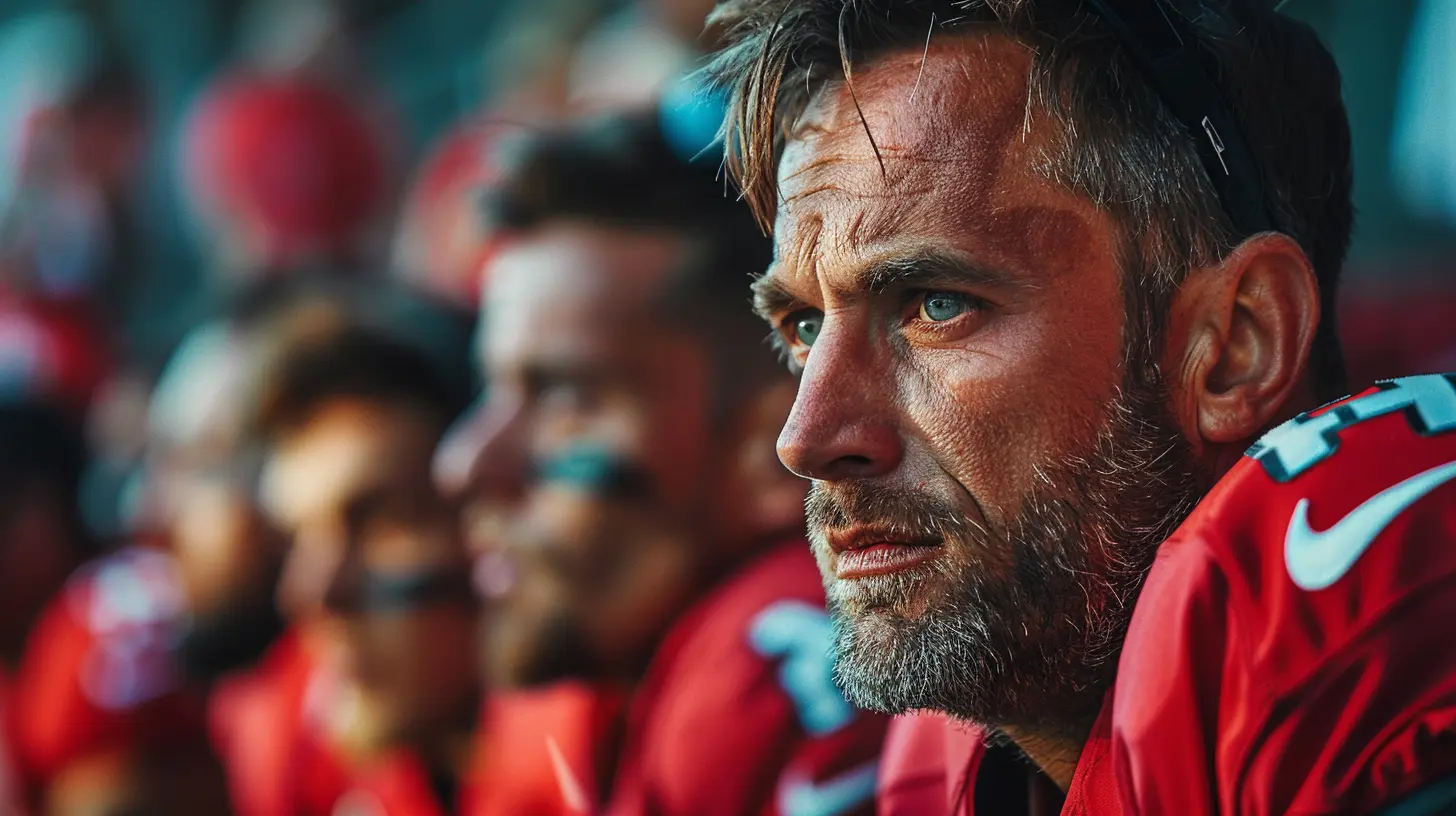
The Sideline Symphony: What It Feels Like Inside the Storm
Imagine you’re on the edge of a cliff, and every decision tips you closer to a win... or a fall. That’s game day for a coach.There’s no pause button, no rewind, no time to breathe. The crowd’s screaming, the players are waiting for the call, and the clock’s a relentless beast. Every second counts. And every choice could change everything.
Your quarterback just got sacked on third down. You're on the edge of field goal range. It’s windy. Do you trust your kicker? Or go for it? That one call could swing momentum, shift morale, or haunt you in a headline tomorrow morning.
Why Pressure Turns Good Coaches Into Legends
Let’s get one thing straight. Anyone can coach with a lead. But the great ones—those names that echo in locker rooms for decades—are forged in the fire of pressure.High-stakes moments separate the chess players from the domino players. Coaching under pressure demands more than knowledge. It demands nerve. It’s like standing in a burning kitchen and choosing which dish not to let burn.
Bill Belichick? Under pressure, he's ice-cold. Greg Popovich? Calm in the chaos. These legends don’t just react. They anticipate. They trust their homework but listen to the whispers of instinct. That’s the secret sauce.
Snap Decisions: Risk, Reward & Reputation
Game day is a tightrope walk with no net. One wrong step? You’re toast. But the right one? You’re a genius.Take the infamous "go for two" situation. You're down one with 10 seconds left. Kick the extra point and play for overtime, or risk it all on one play? Coaches wrestle with these questions with the weight of a city on their shoulders.
It’s not just about analytics anymore. Sure, numbers help. But coaching under pressure is as much emotional intelligence as it is statistical insight.
Do I trust my quarterback to read the defense? Is my O-line exhausted? Is the momentum on our side? Coaches answer all that in seconds. Pressure doesn’t wait.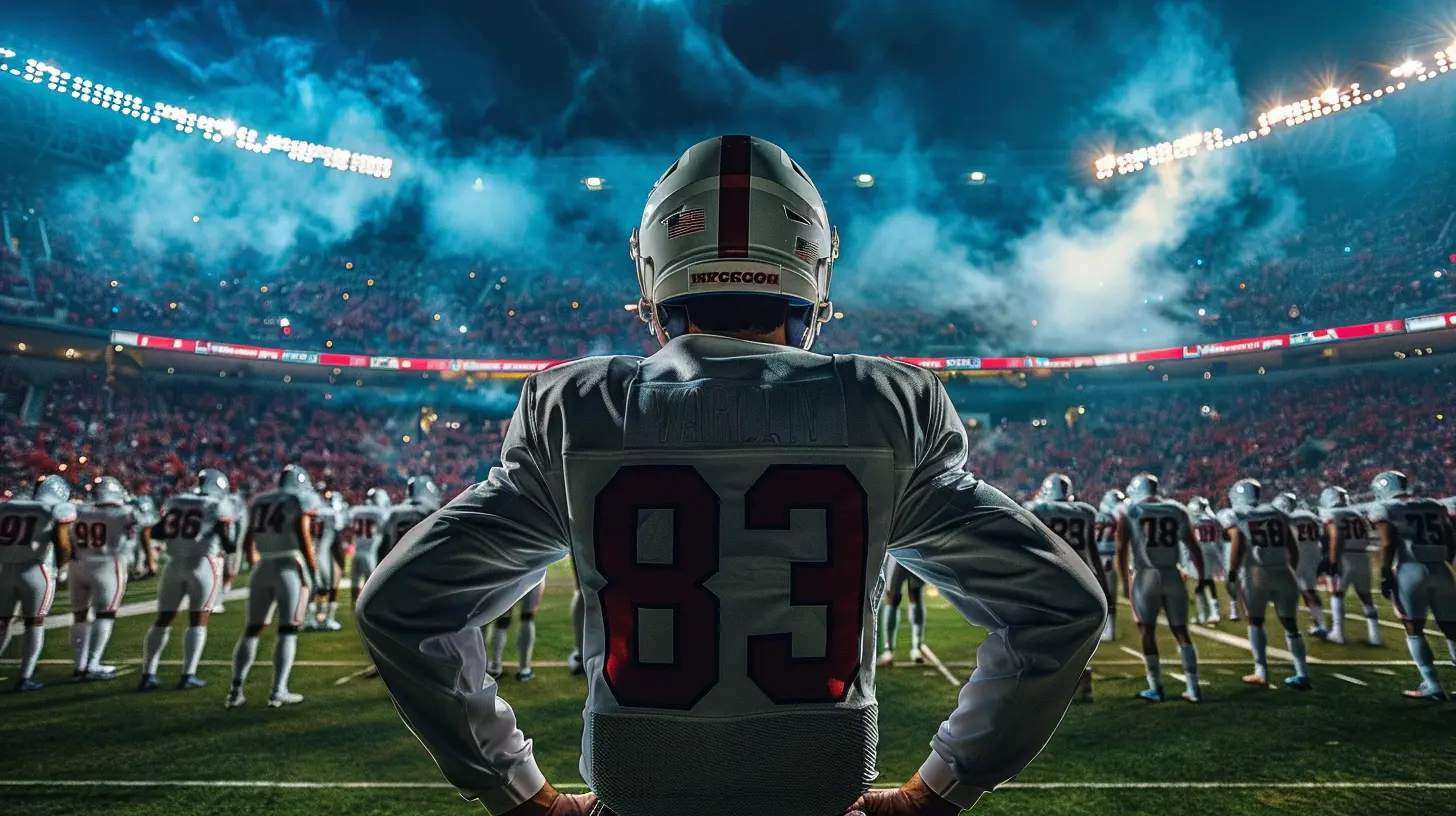
The Fourth Quarter Mindset: Managing Chaos
Ever seen a coach screaming but still organizing his team like a conductor with a wild orchestra? That’s fourth-quarter coaching.It’s a mindset—a mental mode where everything sharpens. Breathing slows (if you’re good at it). The noise fades (if you're focused). And the decisions feel like slow-motion even if everything’s happening at hyperspeed.
This chaos management is what separates elite coaches from the rest. They don’t panic; they pivot. They don’t freeze; they forecast.
Think of a chess game where the board moves every second, and the pieces talk back. That’s what coaching under pressure looks like.
Trusting the Process: The Role of Preparation
Want to know the secret to being calm under pressure? Preparation. It’s boring, right? But it's the hard truth.Coaches spend hours—no, days and weeks—studying game film, running scenarios, planning for every "what if" you could imagine.
So when the moment arrives, and it’s fourth-and-goal with 3 seconds on the clock? The great coaches aren’t guessing. They’re reaching into a file they’ve rehearsed a hundred times.
Pressure exposes preparation—or the lack of it. Those who panic usually didn’t plan.
When It All Goes Wrong: Owning the Call
Let's be real for a second. Sometimes, the call doesn't work. You go for it on fourth, and it's a fumble. You pull your star player, and the substitute chokes. Guess what? That’s part of the deal.Coaching under pressure doesn’t mean you’ll always be right. It means you own the outcome—either way.
The best coaches don’t blame. They don’t point fingers. They say, “That was my call,” and they move forward. It’s all part of earning trust—from the players, the staff, and the fans.
Mistakes don’t define a coach. Reactions do.
Players Feel It Too: Coaching as a Stabilizing Force
A coach under pressure isn't just managing the game—they're managing people. Players read your body language like a book. If you’re rattled, they feel it.Ever notice how some teams collapse in the final minutes while others rise? That’s leadership.
Great coaches are anchors. Their calm becomes contagious. Their confidence infects the sideline. On game day, they’re part tactician, part therapist.
In high-stakes moments, coaching is less about instruction and more about inspiration.
Adapting in Real Time: No Playbook for Chaos
Sometimes the game throws a curveball you didn’t see coming—a freak injury, a weather change, an unexpected defensive scheme.This is where instincts take over. The playbook can’t help you now.
You’ve got to adjust. Maybe ditch your game plan entirely. Maybe move your wideout to running back. Whatever it takes.
Real-time adaptation is an art. It’s like jazz—improvised genius under pressure. Coaches who thrive here are the ones who keep winning when the script gets shredded.
The Clock as an Enemy and a Friend
Time is the ultimate opponent. It doesn’t blink. It doesn’t care.Every game-day decision dances around the clock. Burn a timeout too early? Regret it later. Let those last ten seconds run instead of calling the timeout? Media will grill you for weeks.
Smart time management is a weapon. Misuse it, and you might sabotage yourself.
Some coaches treat the clock like a chess timer—strategic and methodical. Others let it slip like sand through their fingers. Trust me, the best use every tick like it's gold.
Crowd Noise and Media Heat: The External Pressures
Imagine making a career-altering decision with 80,000 people screaming at you—and millions more on social media dissecting your choice in real-time. Welcome to the modern era of coaching.Today, you’re not just coaching against an opponent. You’re also up against the noise. Headlines. Hashtags. Hot takes.
Does the pressure get to coaches? Of course. They’re human. But the best know how to tune it out and focus in.
Coaching under pressure means learning to block out the buzz—and trust what you know.
Legacy Defined in Moments
Ever notice how a coach’s entire legacy can hinge on one call? One timeout. One bold fourth-down attempt. One gutsy decision.Fair? Maybe not. But it’s real.
Sean Payton’s onside kick in the Super Bowl. Doug Pederson’s “Philly Special” on fourth down. These weren’t just smart plays. They were legacy-defining gambles.
In the game of coaching, your resume often boils down to about 60 seconds of courage—or caution.
The Human Side of Pressure
Behind the play sheets and highlight reels is a human being. Coaches carry the weight not just of the team, but often of a city. Sleepless nights? You bet. Self-doubt? Absolutely.Pressure doesn’t just explode on the field—it seeps into the life off it. Family time sacrificed. Health sometimes compromised. Coaching under pressure is as much about mental toughness as it is game IQ.
That’s why some burn out. And why others, somehow, shine brighter in the heat.
Closing Thoughts: The Art of Grace Under Fire
In the end, coaching under pressure is part science, part sorcery. It’s about balancing logic with gut instinct. Preparation with improvisation. Strength with vulnerability.Every game day is a blank page. And every decision writes a new line in the story.
Some get it wrong. Others get remembered. But all of them feel that pressure—like a drumbeat in their chest when the game’s on the line.
And honestly? That’s what makes sports beautiful.
all images in this post were generated using AI tools
Category:
Coach ProfilesAuthor:

Easton Simmons
Discussion
rate this article
2 comments
Thomas Monroe
Coaching under pressure demands quick thinking and adaptability. Effective decision-making on game day can turn the tide—balance strategy with gut instincts for optimal results.
March 19, 2026 at 4:40 AM
Easton Simmons
Absolutely! Balancing strategy with instinct is crucial for success under pressure. Quick thinking often defines the outcome on game day.
Jinx Reese
Coaching under pressure reveals the true mettle of leaders. High-stakes decisions can define a season, showcasing the blend of strategy, instinct, and resilience. It's fascinating how split-second choices can change the course of a game.
February 20, 2026 at 1:22 PM
Easton Simmons
Absolutely! High-pressure situations truly test leaders, highlighting their strategic acumen and resilience. It's in those critical moments that the essence of great coaching shines through.