Athlete vs. Influencer: Who Holds More Power in Brand Deals?
5 July 2026
In today's fast-paced digital world, brand deals are no longer limited to just big-name athletes. Social media influencers have stormed onto the scene with massive online followings and an uncanny ability to connect with their audiences on a personal level. So, the million-dollar question is: when it comes to brand deals, who really holds more power—athletes or influencers?
Let’s break it down and see where the real magic happens.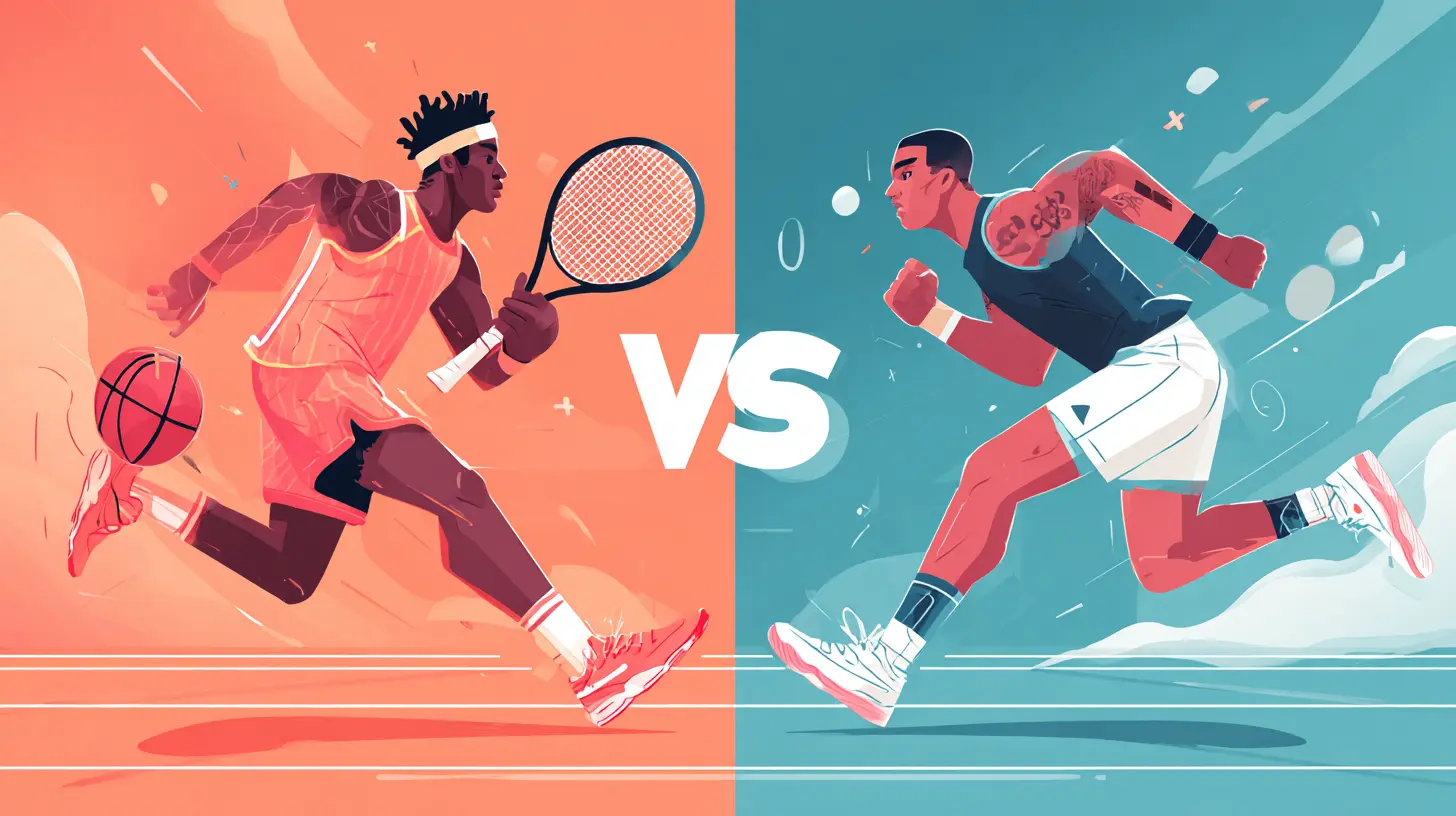
The Rise of the Influencer Empire
Have you ever bought something because your favorite Instagrammer raved about it? You're not alone. Influencers have changed the game, especially in the last decade.Microphone to the Masses
Influencers are relatable. Unlike athletes who seem larger than life, influencers often feel like your cool friend from college or the mom next door sharing her parenting hacks. They speak directly to you, responding to comments, going live, and creating content that's not only engaging but often very persuasive.And here's the kicker—micro and nano influencers (those with smaller but loyal followings) are proving just as valuable as the big shots. Why? Because they have trust. Trust is gold in marketing. When an influencer says “this product changed my life,” their audience believes them.
Content Machines
Influencers are content wizards. They can churn out high-quality, branded content in no time, often with a personal twist that resonates with their followers. Brands love that kind of lightning-speed exposure. Athletes? They often need teams, agencies, and time to produce media content. Influencers make it look effortless.
The Timeless Appeal of Athletes
Now, let’s not count out the heavy hitters—our beloved athletes. These are people who have spent years perfecting their craft and building credibility on the world’s biggest stages.Built-In Authority and Trust
When an athlete endorses a product, there’s an instant legitimacy. They've already earned trust through discipline, performance, and sheer star power. That endorsement tells consumers, “If it’s good enough for a top-tier performer, it’s good enough for me.”For example, when Serena Williams promotes a fitness apparel line, it not only boosts sales—it elevates the brand to premium status. That’s the kind of halo effect money can’t always buy.
Massive Visibility Through Traditional Media
Athletes are featured in everything from televised games to Olympic highlights. That kind of exposure is massive. Add in press coverage, sponsor mentions, and branded gear during big events, and the reach is off the charts.While influencers might have digital clout, athletes bring traditional media firepower. Combine both? That’s a branding jackpot.
The Social Media Shift: Leveling the Playing Field
Here’s where the lines blur. Nowadays, athletes are influencers too. Think LeBron James’ Instagram or Naomi Osaka’s Twitter. They’ve got millions of followers, so they’re not just athletes—they're social media powerhouses.Athletes as Influencers
More and more athletes are investing in their personal brands online. From behind-the-scenes training to everyday lifestyle content, fans are loving the peek into their lives. And brands? They're eating it up. When an athlete posts about a product, it hits both trust and visibility benchmarks.So, are athletes starting to steal the influencer playbook? Absolutely—and they’re winning at it.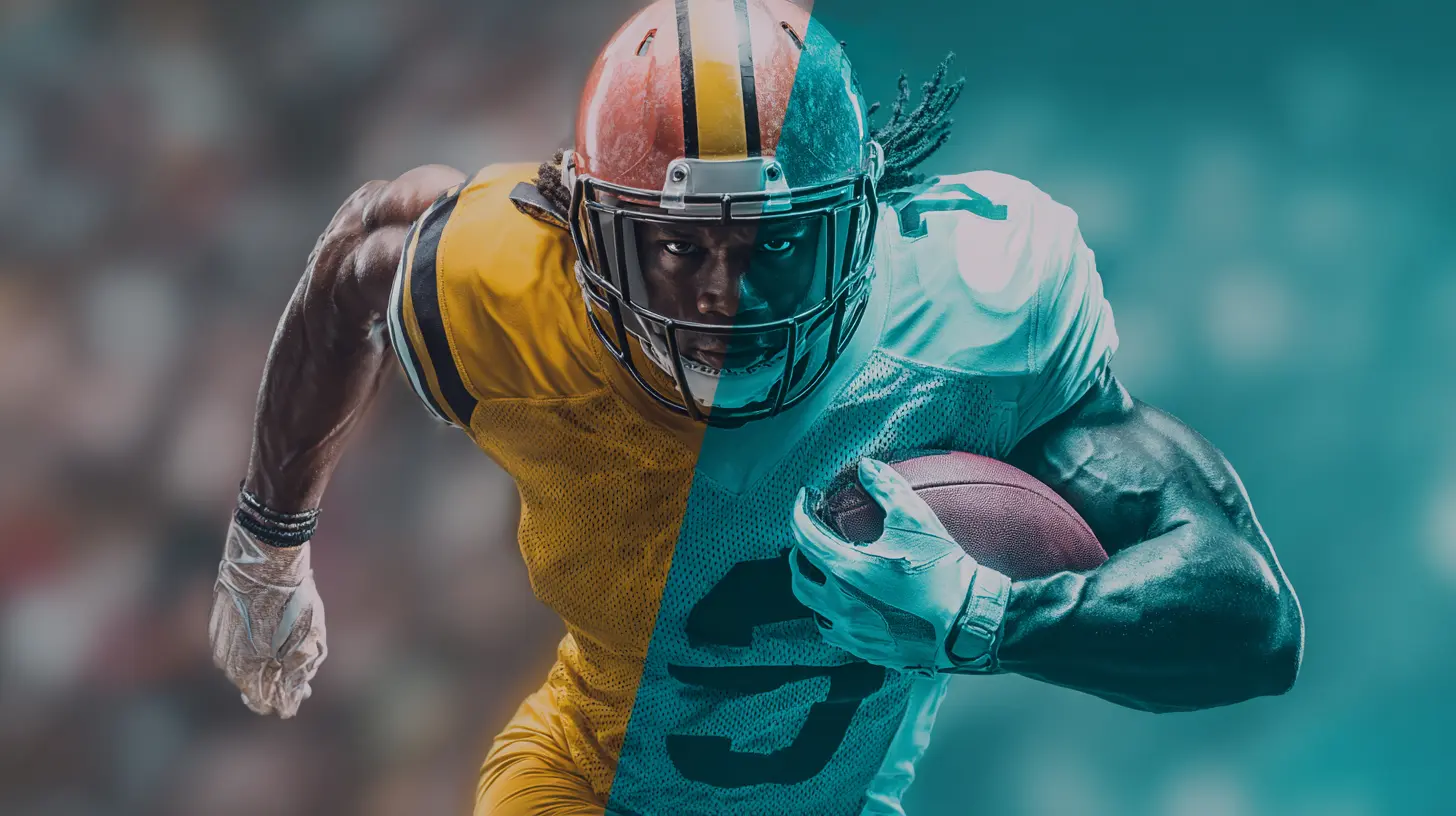
Influencers: The New-Age Celebrities?
Influencers may not have gold medals or championship titles, but they’ve got something else—huge influence over niche audiences. Beauty, wellness, gaming, fashion, fitness—you name it, there’s an influencer who dominates that space.Hyper-Targeted Marketing
Here’s where influencers shine. Brands don’t always want mass exposure. Sometimes, they want to reach a very specific group of people. Influencers allow brands to do just that. Want to target millennial moms? There’s an influencer for that. Interested in vegan athletes? There's another one.Influencers offer laser-sharp targeting. And in marketing, precision often beats scale.
Measuring ROI: Who Delivers More Bang for the Buck?
Let’s crunch some numbers—or at least look at the big picture.Influencers: Lower Cost, Faster Turnaround
Influencer campaigns are generally more budget-friendly. No massive retainers. No big production crews. Just authentic content and immediate engagement.They also offer real-time performance metrics. Brands can track likes, shares, comments, and conversions. That’s powerful data to tweak and optimize campaigns on the fly.
Athletes: Bigger Reach, Greater Prestige
Athletes usually come with higher price tags. But they also often bring prestigious endorsement value. Nike didn’t choose random YouTubers for its high-profile campaigns—it went with global sports icons. Why? Because it speaks volumes about brand quality and aspiration.The Emotional Connection Game
When it comes to creating emotional bonds with audiences, both athletes and influencers play different roles.- Athletes inspire. Their stories of struggle, sacrifice, and triumph can be deeply moving.
- Influencers relate. Their daily hustle and authenticity make them feel approachable.
So, which is more valuable? Depends on the brand’s messaging. Want to inspire greatness? Go with an athlete. Want to build personal trust? The influencer might be your best bet.
Hybrid Collaborations Are the Future
Here’s something cool—brands are starting to realize they don’t have to pick one over the other. Why not both?Imagine a campaign where an athlete introduces a new product and influencers follow up with user reviews, unboxing videos, and testimonials. That’s a one-two punch of credibility and relatability.
Major brands are moving towards this hybrid model, and it’s changing the face of advertising.
Let’s Talk Longevity
Athletes have career peaks—usually tied to their active years in the sport. Sure, some transition into coaching, commentary, or entrepreneurship, but their mainstream endorsement power often fades with time.Influencers, on the other hand, can evolve more fluidly. A lifestyle vlogger today might be a home décor guru tomorrow. They adapt with audience interests, and their platforms allow for continuous reinvention.
Longevity-wise? Influencers might have the edge—if they play their cards right.
The Verdict: It’s Not About Who’s Better, But Who’s Better for You
So, who has more power in brand deals—athletes or influencers? Honestly, there’s no one-size-fits-all answer.If you’re a brand looking for widespread visibility, prestige, and association with excellence, an athlete might be your go-to.
But if you want authentic storytelling, niche targeting, and budget-friendly campaigns, influencers are your golden ticket.
Both have incredible value. And in today’s blended marketing world, the real winners are the brands that know how to use both strategically.
Final Thoughts
Power in brand deals isn’t just about followers or fame anymore. It’s about impact. Athletes and influencers both bring unique strengths to the table. Whether it’s the awe of a game-winning goal or the friendly advice of a trusted online personality, what truly matters is who connects with your audience in the right way at the right time.So next time someone asks, “Athlete vs. Influencer—who’s more powerful?” you’ll know the real answer: it's all about fit, purpose, and the magic of connection.
all images in this post were generated using AI tools
Category:
Brand EndorsementsAuthor:

Easton Simmons
Discussion
rate this article
1 comments
Vivian Barnes
This article raises an interesting question about the evolving landscape of brand deals. Athletes traditionally had the upper hand due to their performance, but influencers now have a unique connection with audiences. It's fascinating to see how these dynamics continue to shift and redefine power in marketing.
July 11, 2026 at 11:26 AM
Easton Simmons
You're right. The shift in power is intriguing. Influencers' connections with their audiences really challenge the traditional model. It'll be interesting to see how brands adapt moving forward.

![The Road to Redemption: How [Player Name] Overcame Challenges to Excel](/pictures/blog/small/the-road-to-redemption-how-player-name-overcame-challenges-to-excel_3.webp)